There’s a quiet moment we’ve all had recently.
You sit down in a café, airport, or library. You open your laptop. Your phone’s on 12%. You glance around for power.
And in about five seconds, you can tell whether the space was designed by someone who actually uses it…
…Or someone who signed it off in a meeting ten years ago.
Furniture and power used to be background details. In 2026, they’re front and center, because the way we work, study, travel, and charge our lives has changed dramatically.
After digging through what architects, facilities teams, and yes, charging nerds are actively discussing and specifying right now, here are five trends that keep popping up across modern workplaces, airports, and universities, and the very practical reasons they’re winning.
As always, there’s no hype. Just what’s actually working NOW.
1. USB-C is becoming the default power port (not a “nice-to-have”)
USB-C has officially crossed the line from “emerging” to “expected.”
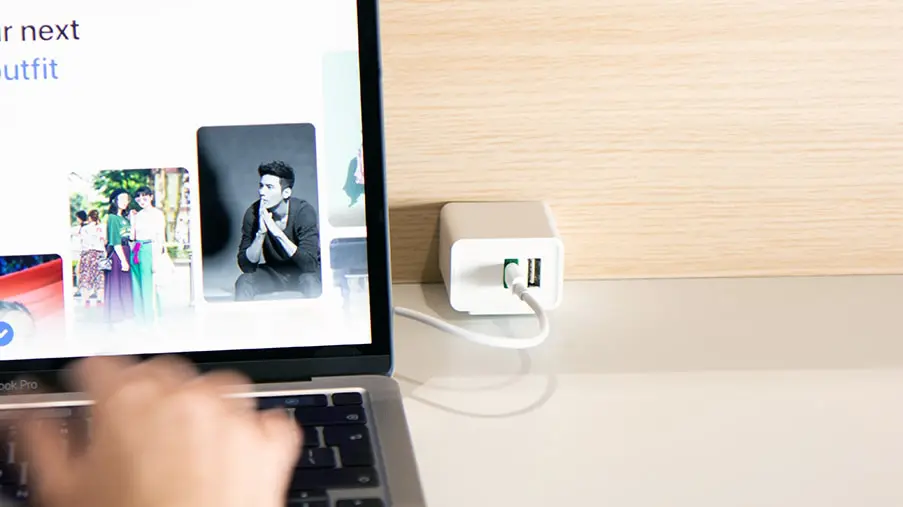
Between new device launches and the EU’s common charger rules pushing manufacturers in the same direction, USB-C has become the one cable people trust to do everything. 🙌Phones, tablets, laptops, headphones, the lot.
So when someone sits down in a public space in 2026, their expectation is simple:
One cable. One port. Job done.
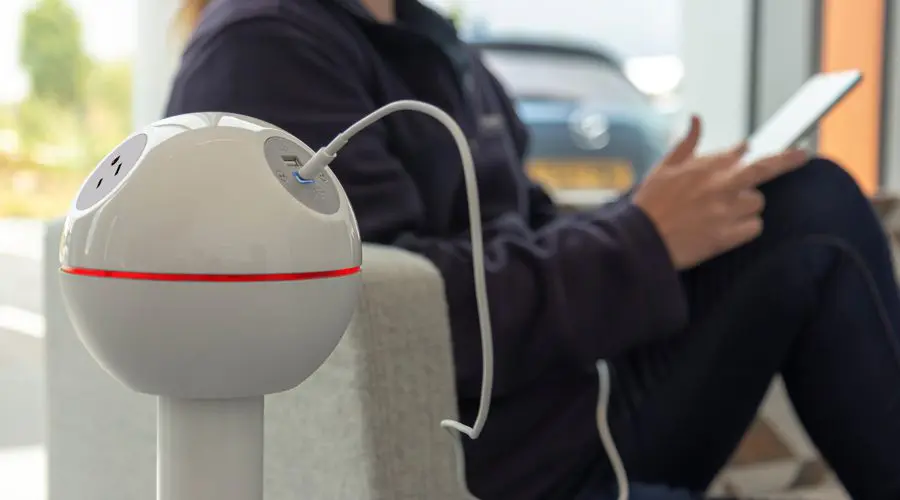
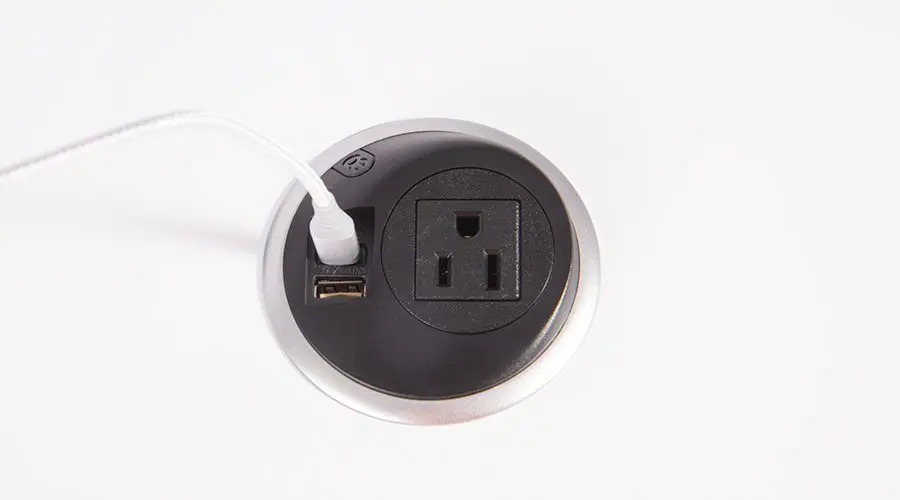
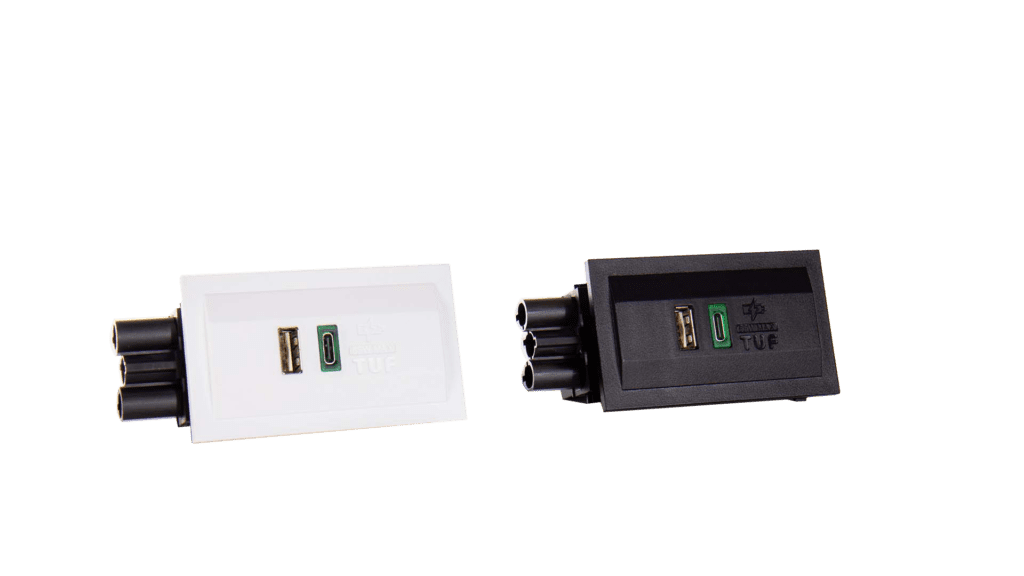
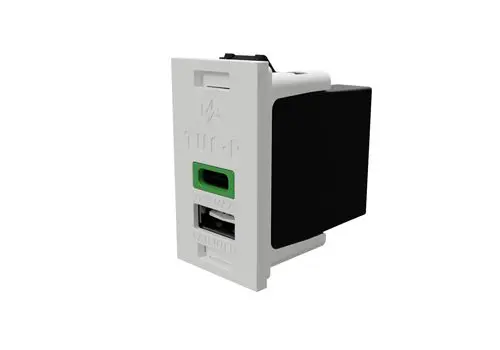
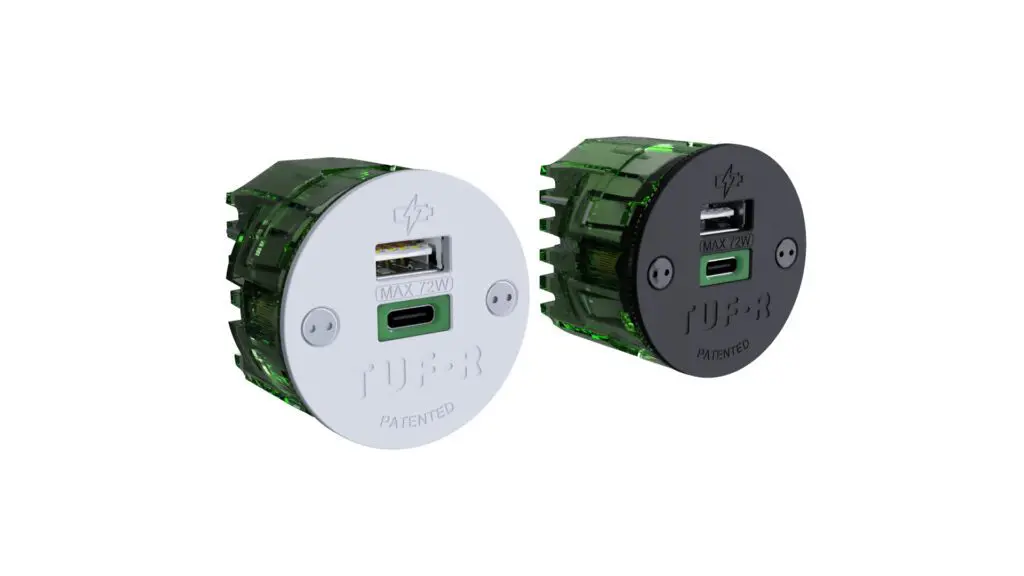
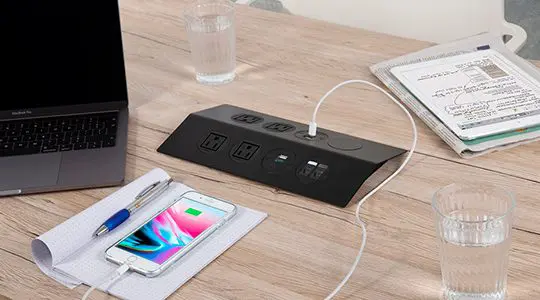
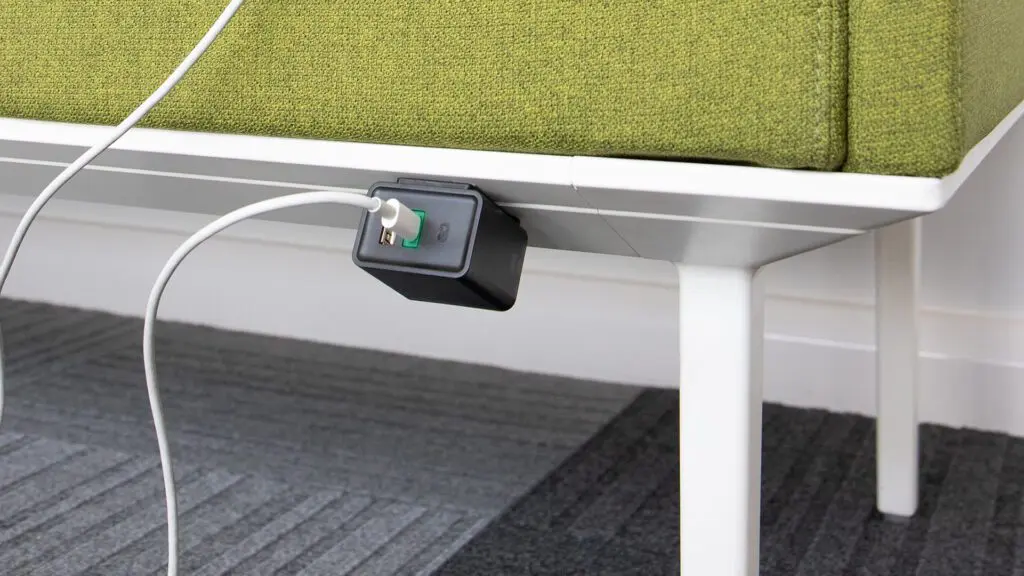
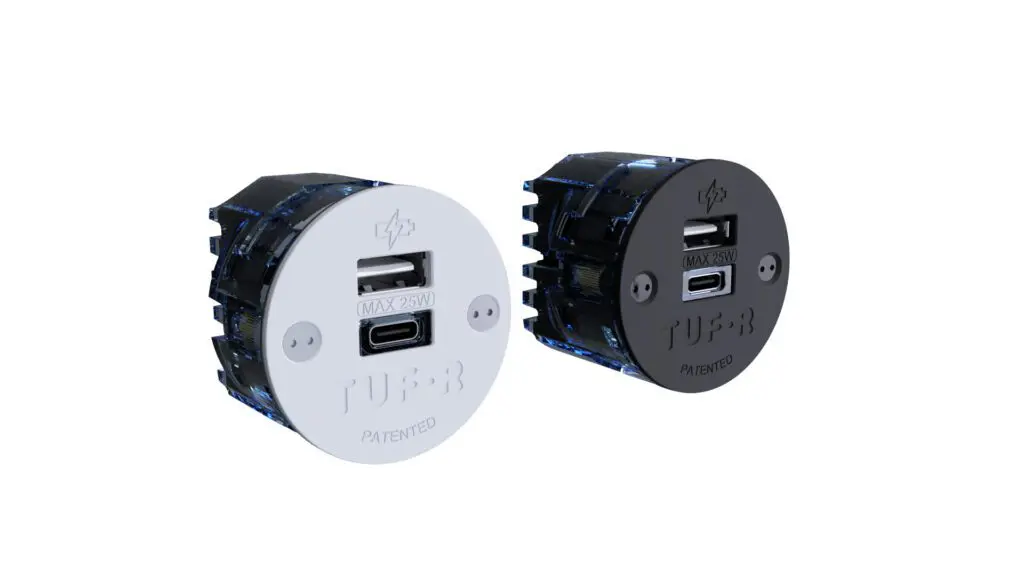
That’s why we’re seeing a move away from the old setup of a couple of USB-A ports tucked somewhere inconvenient, and toward USB-C charging that actually delivers meaningful power.
And power matters, because modern devices are hungrier than they look…
USB-C Power Delivery can now scale up to proper laptop-level charging, which is a world away from the old “leave it plugged in for three hours and hope for the best” approach.
If you want the deeper, nerdier version of why this is accelerating, we’ve covered it here: USB-C: the future of charging technology
(Also 🤫: we’ve got something very cool in the works for 2026 for USB-C charging. It’s not ready for public consumption yet but watch this space… 👀)
What to install if you’re planning for 2026 (not 2022)
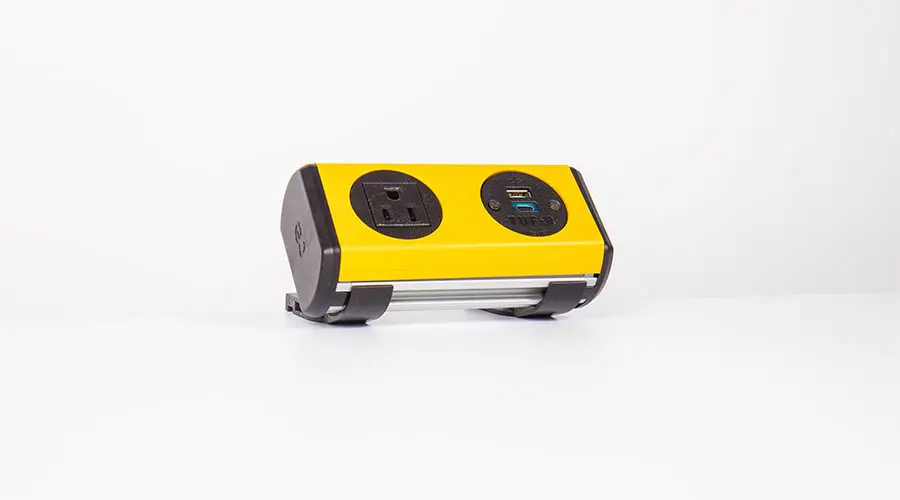
1) USB-C ports that can keep up with modern devices, not the sad trickle that technically counts as charging.
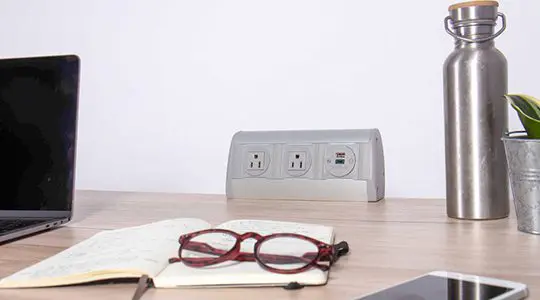
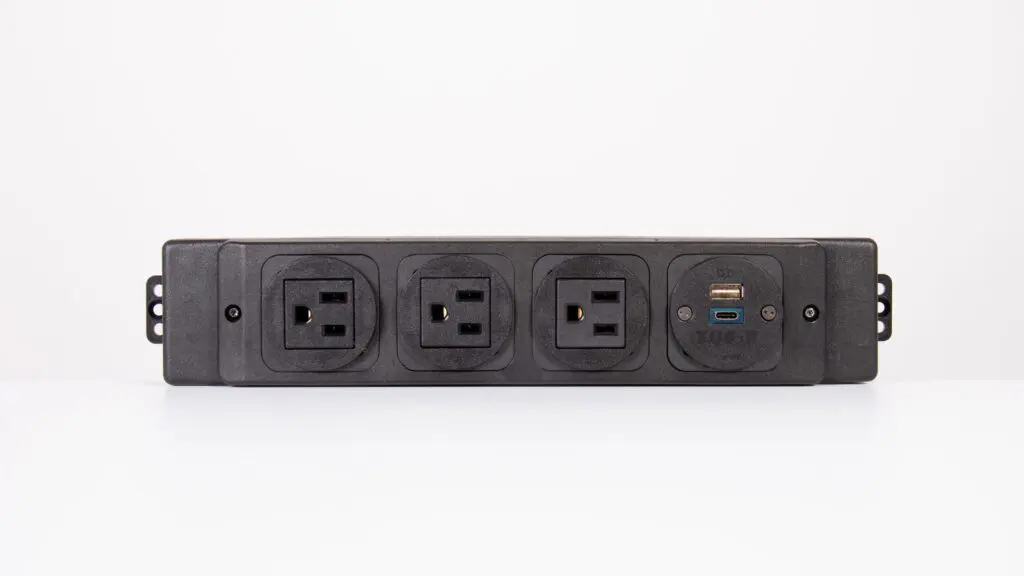
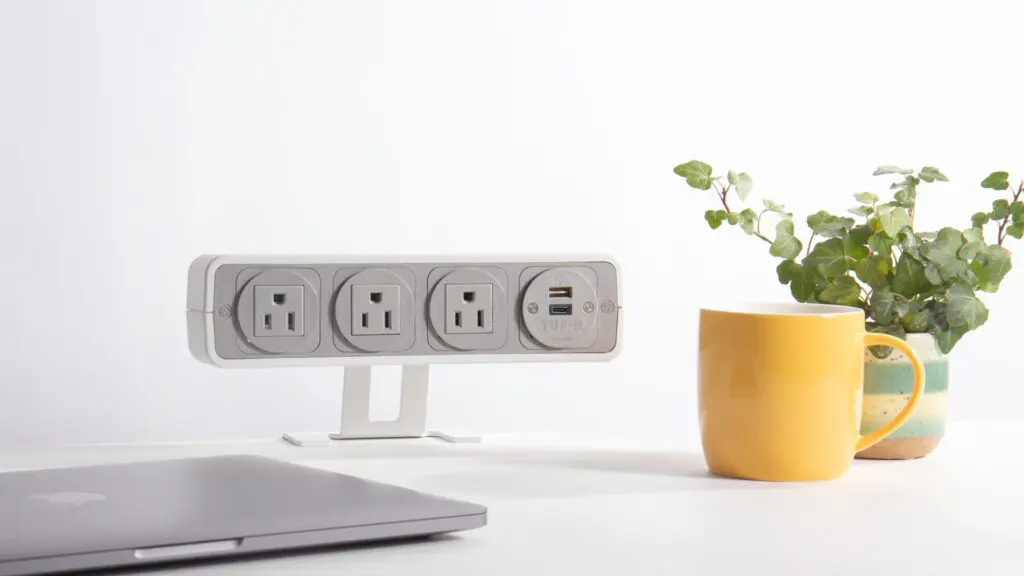
2) A sensible mix of USB-C and AC (“regular socket”) power options, because someone will always turn up with a charger that looks like it survived three wars.
In public environments, this is where safety and reliability quietly earn their keep. No drama is the goal.
2. Spaces are being designed for multiple uses (agile is king)
Let’s talk about a real space doing real work: a modern university library.
Not the ancient, wood-paneled kind from Hogwarts…the kind that’s being actively redesigned right now in the US.
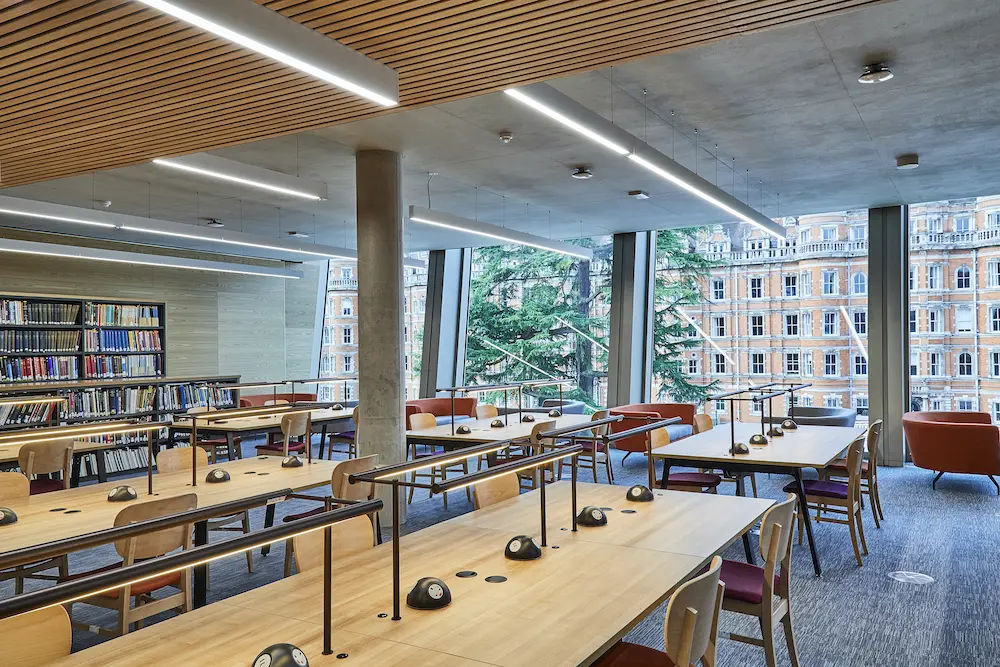
Morning (8–11am): focus mode
Students arrive solo. They want quiet seating, individual power, task lighting, and absolutely no cable chaos.
Midday (11am–4pm): collaboration mode
Tables get pushed together. Groups form. Power demand jumps. Now you need more charging points, support for multiple devices at once, and furniture that moves without unplugging half the room.
Evening (4–9pm): event mode
Talks, workshops, overflow seating. Layout changes again. Power needs to appear where it didn’t exist two hours ago, then politely disappear later without involving a construction crew.
If that space relies on hard-wired furniture, one of those modes will fail. Usually the one no one predicted during the original fit-out.
Hard-wired systems assume layouts won’t change, furniture won’t move, and use cases are predictable. None of those assumptions survive 2026 requirements.
Facilities teams say it best:
“We don’t want to redesign the space. We just want to use it differently.”
That’s why plug-and-play power, modular furniture, and battery-backed solutions are everywhere right now. Not because they’re flashy, but because they remove friction.
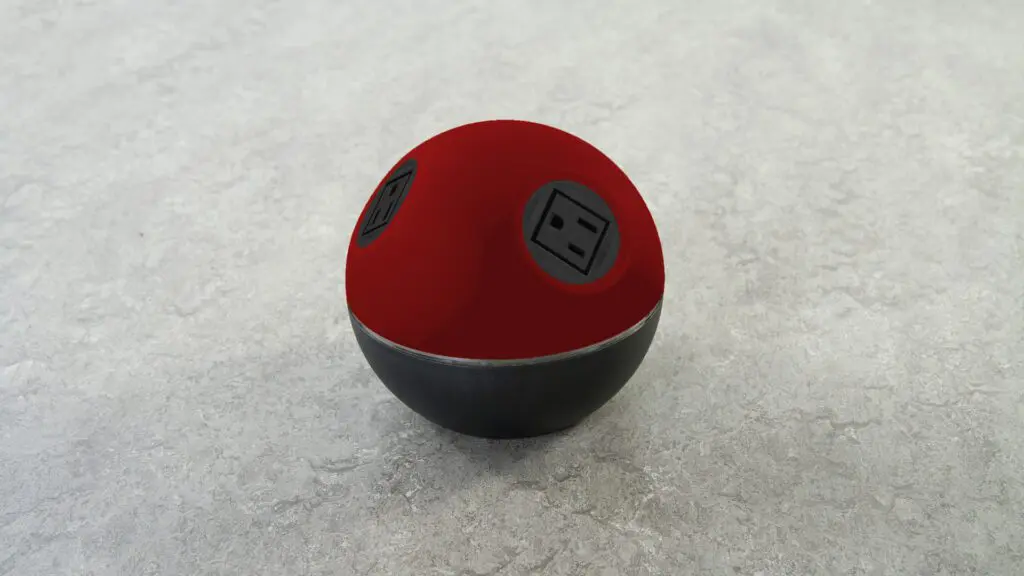
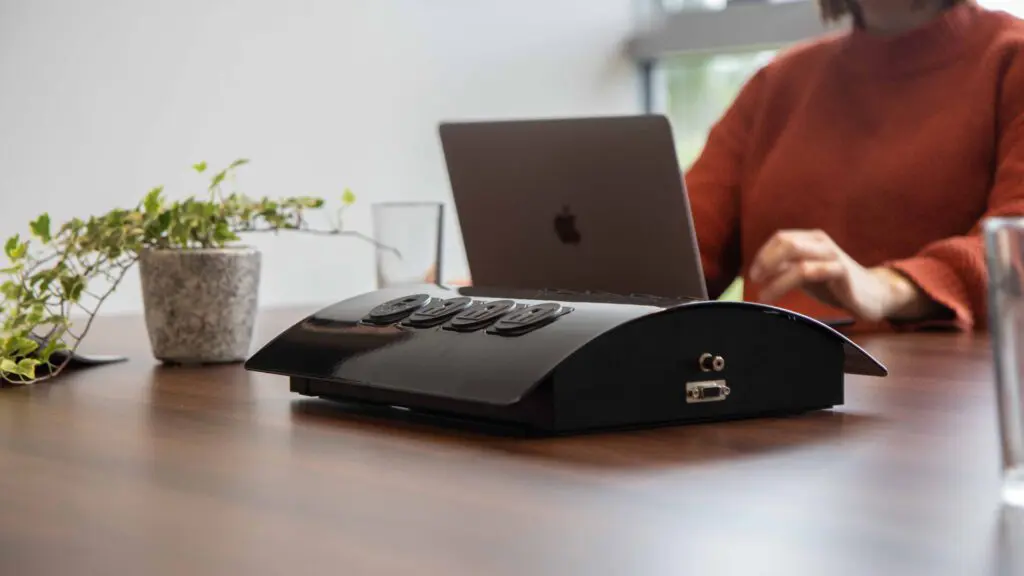
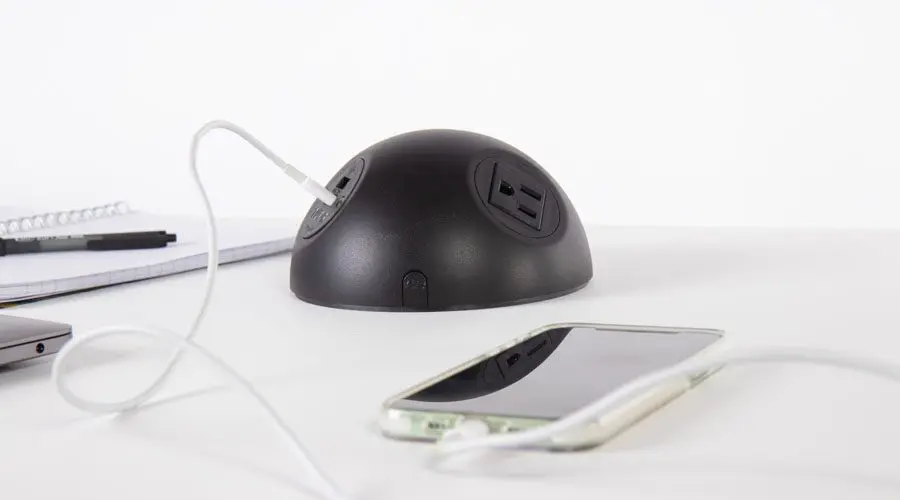
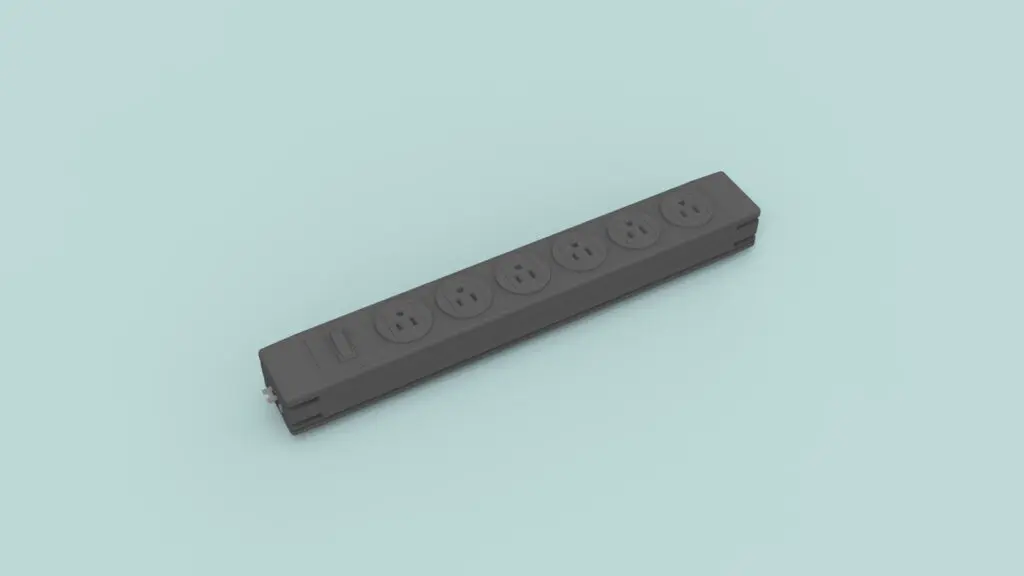
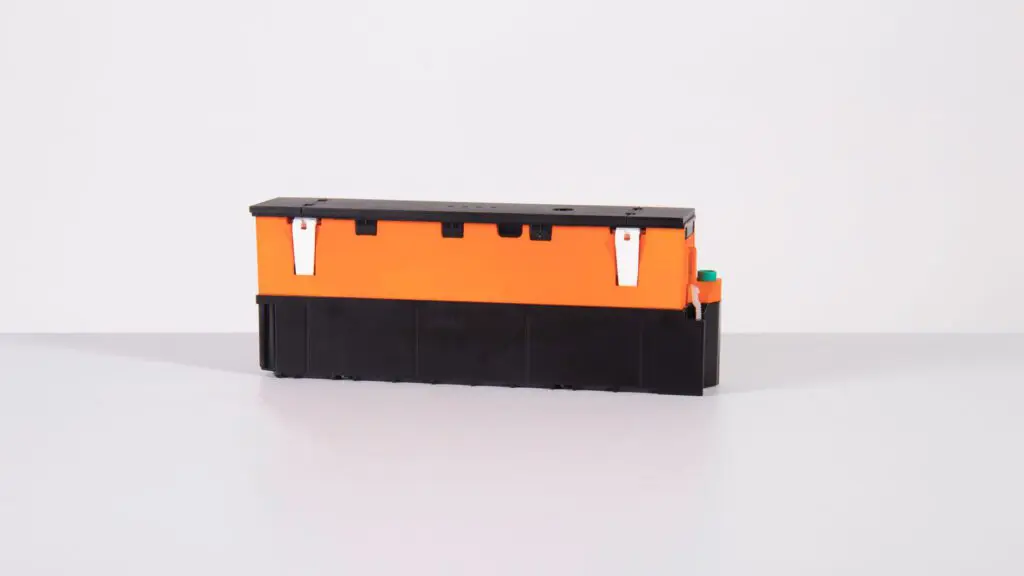
Portable systems like Animate Qikpak Carry exist for exactly this reason. Power where you need it, when you need it, then gone again.
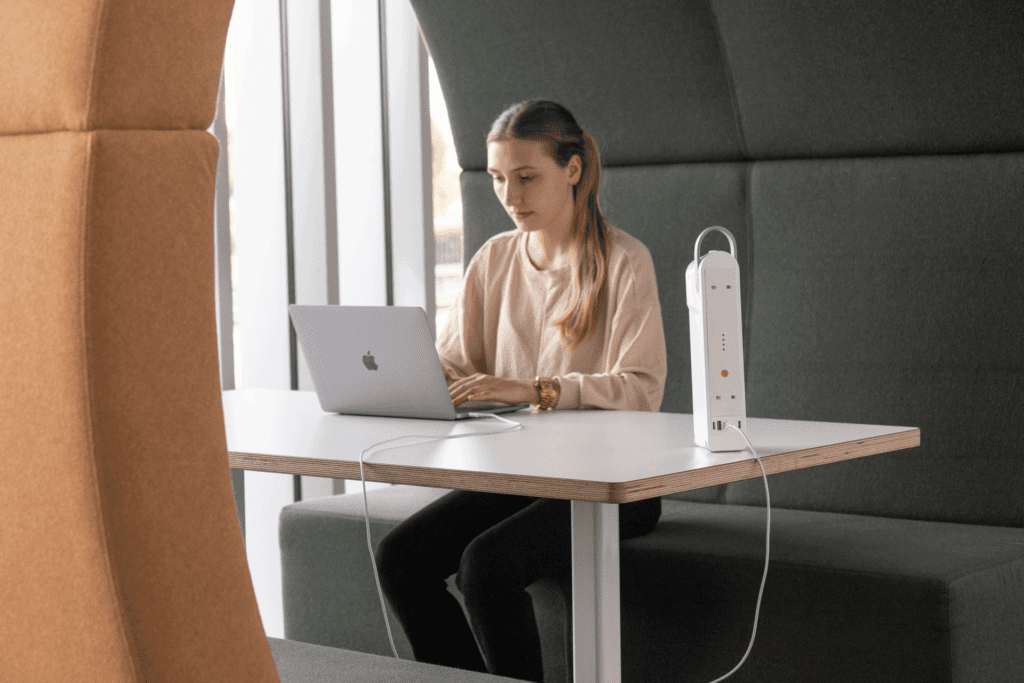
The real trend here is designing for uncertainty. Because no one knows how their space will be used two years from now, and pretending otherwise gets expensive quickly.
3. Power is becoming invisible (because visible power feels outdated)
Here’s a strange truth: when power is designed well, nobody notices.
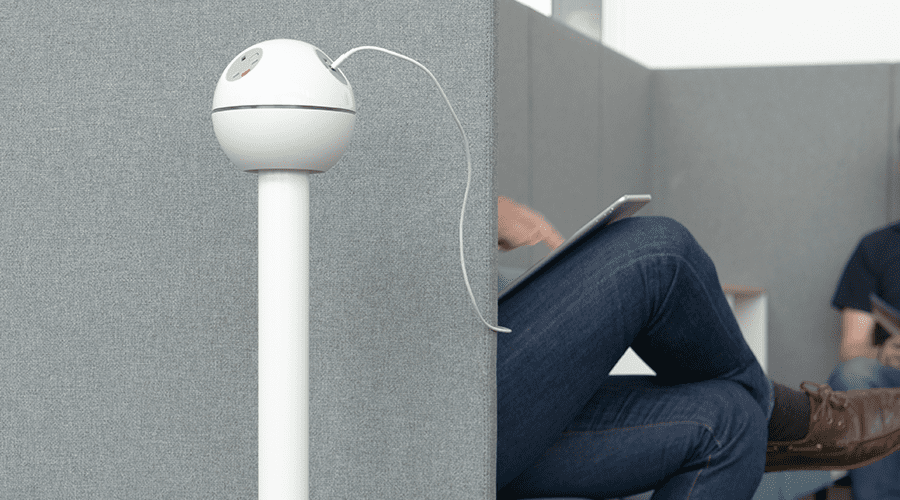
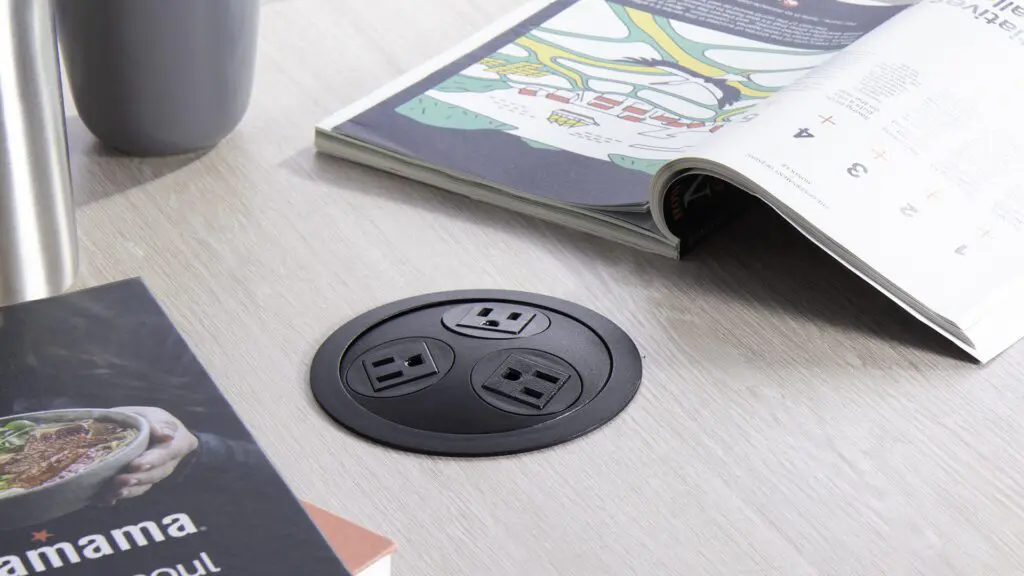
In 2026, the best public spaces won’t impress you with outlets and ports. They’ll impress you by making power quietly disappear into the space.
For years, power was treated like a feature…
“Look, outlets. Look, USB ports. Look, power everywhere.”
Now it’s treated more like Wi-Fi or heating. You expect it to work, and you only notice it when it doesn’t.
That shift is driving some very intentional choices:
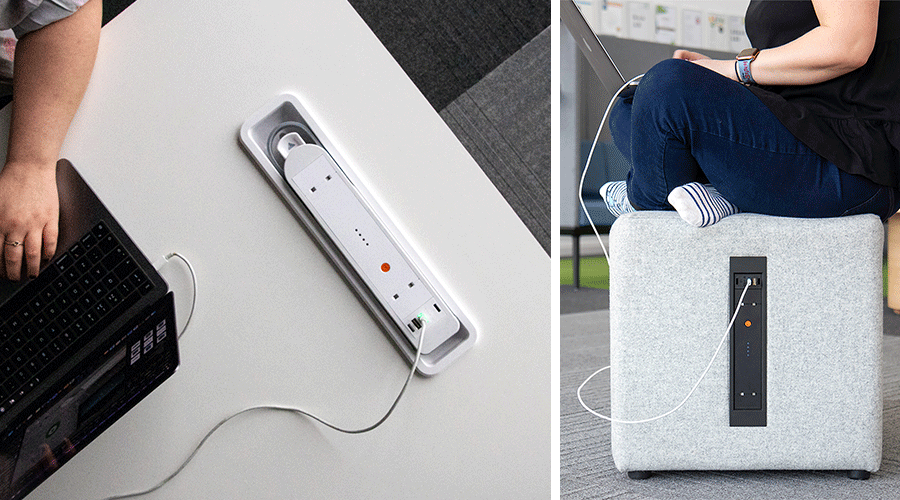
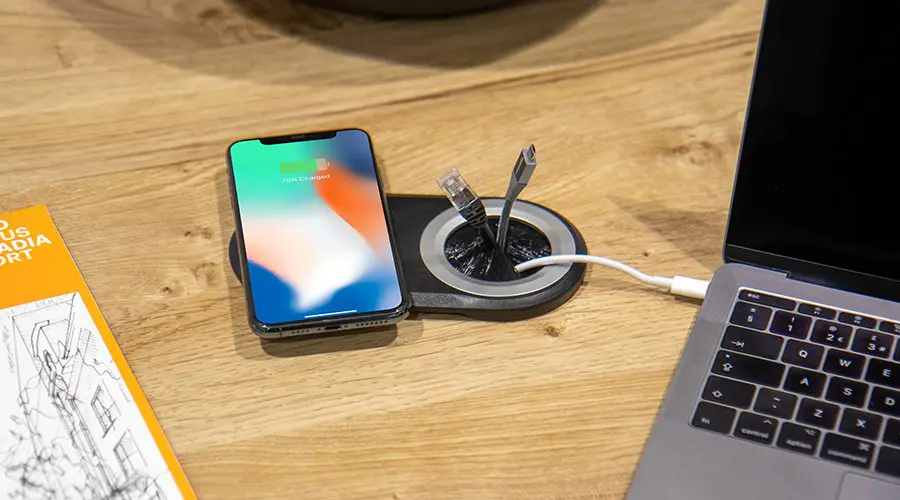
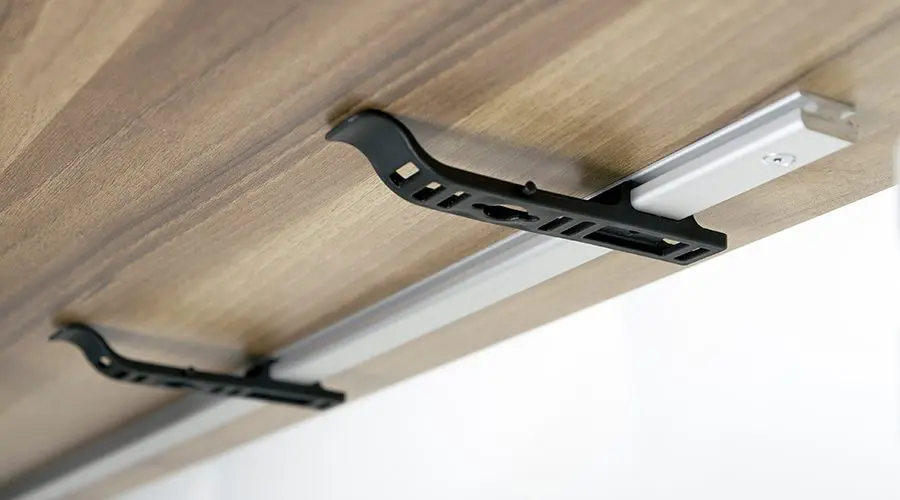
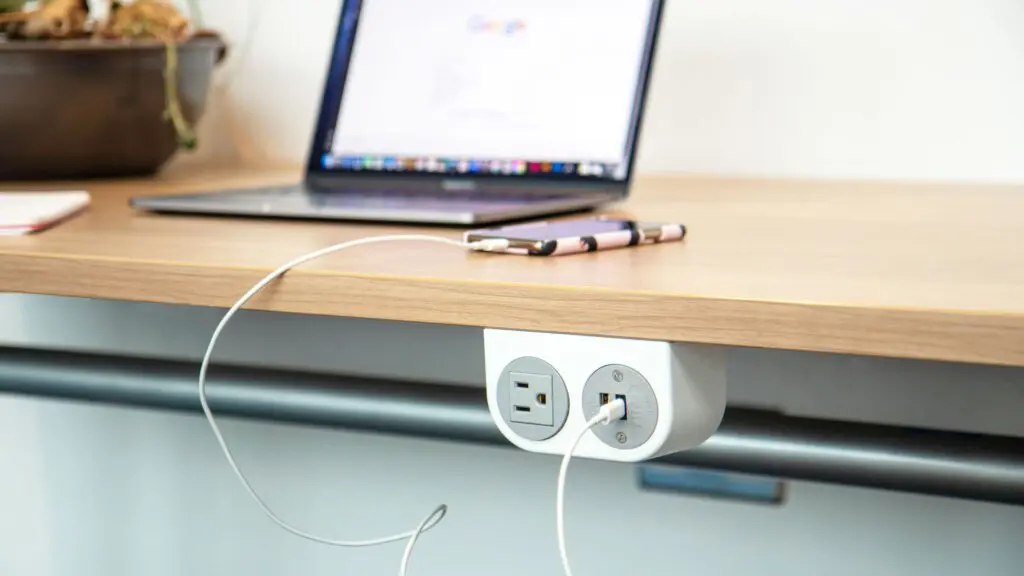
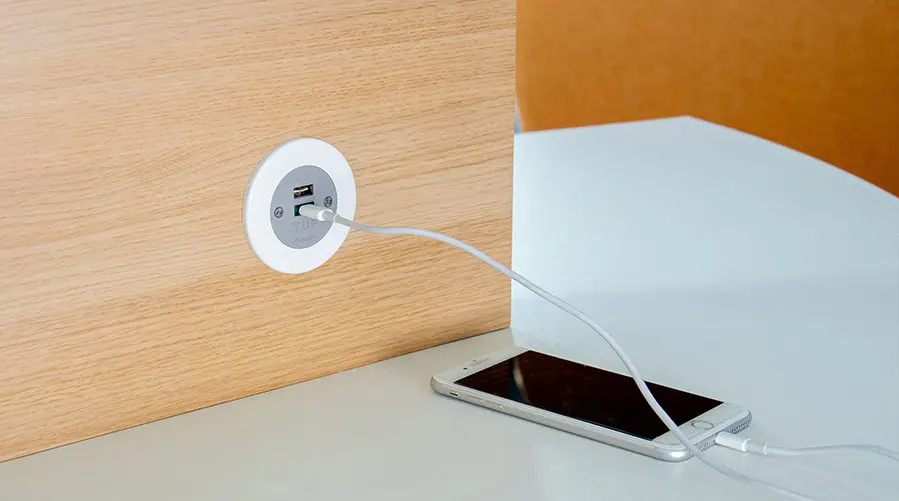
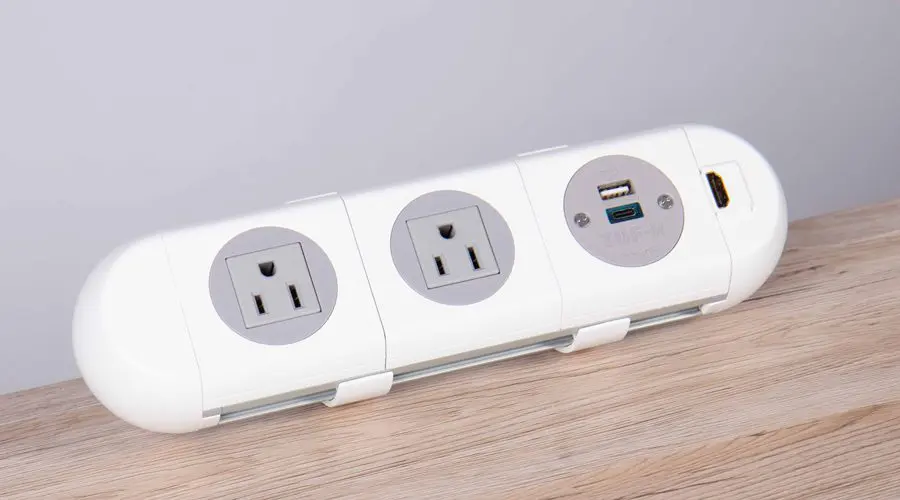
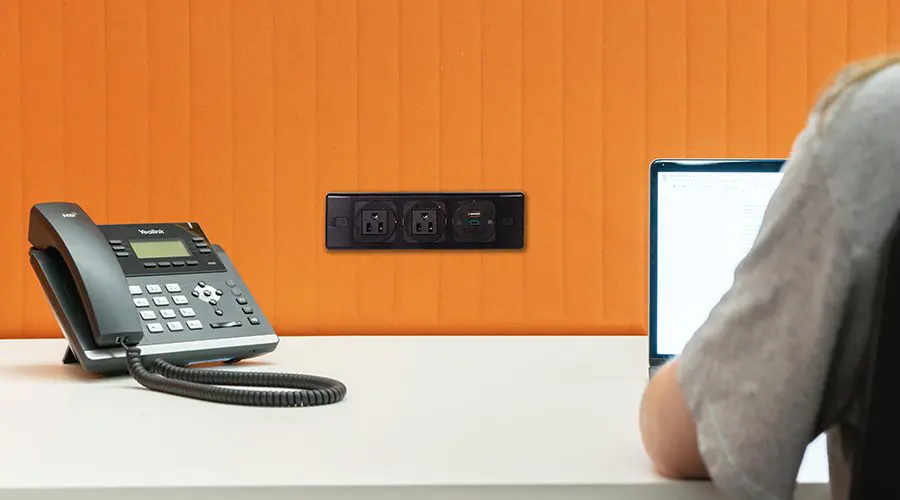
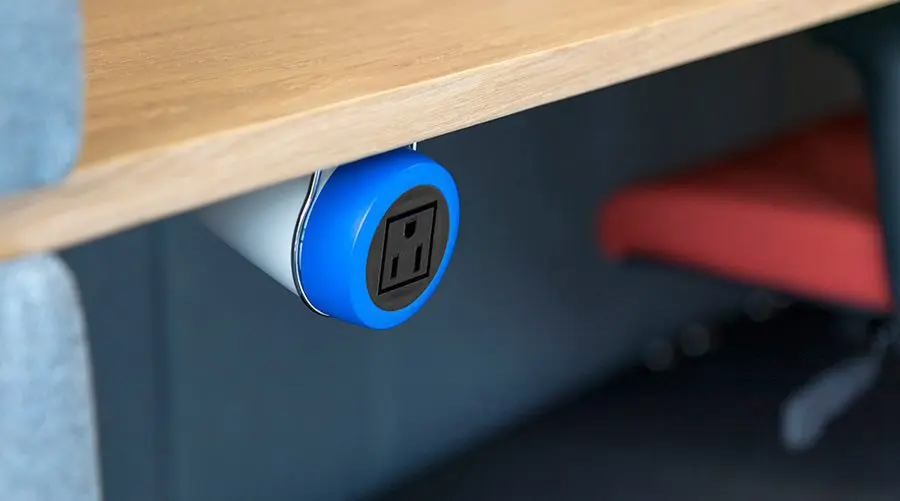
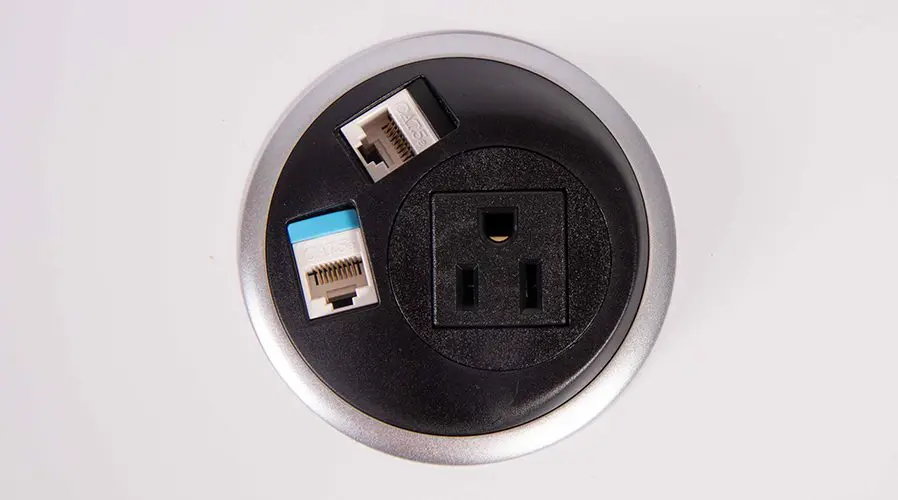
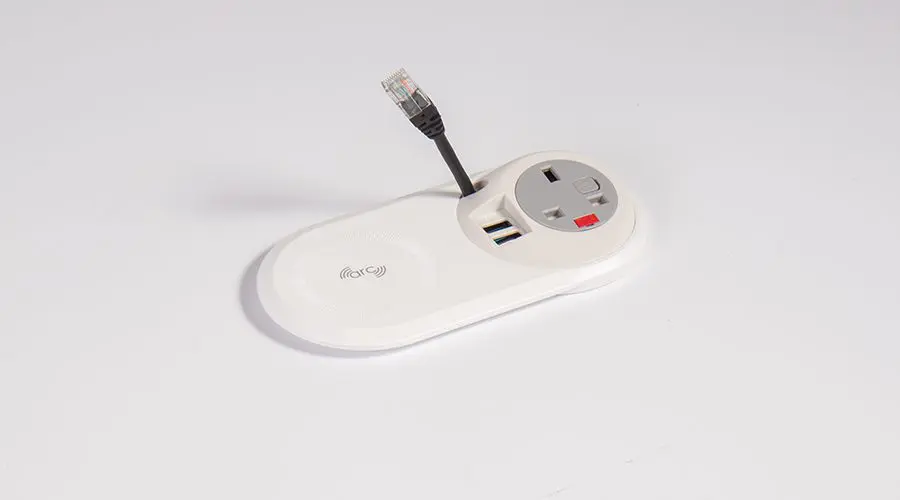
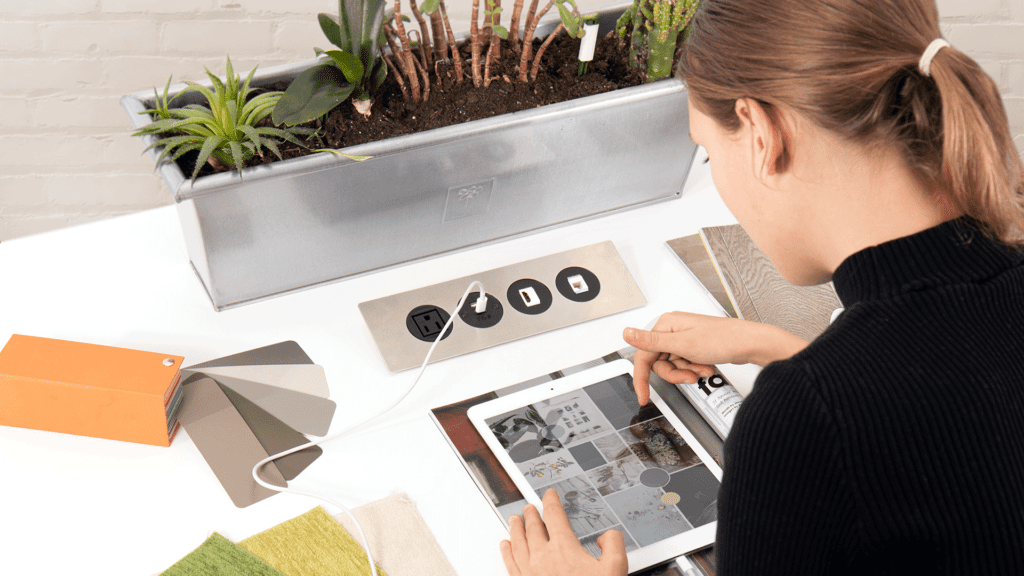
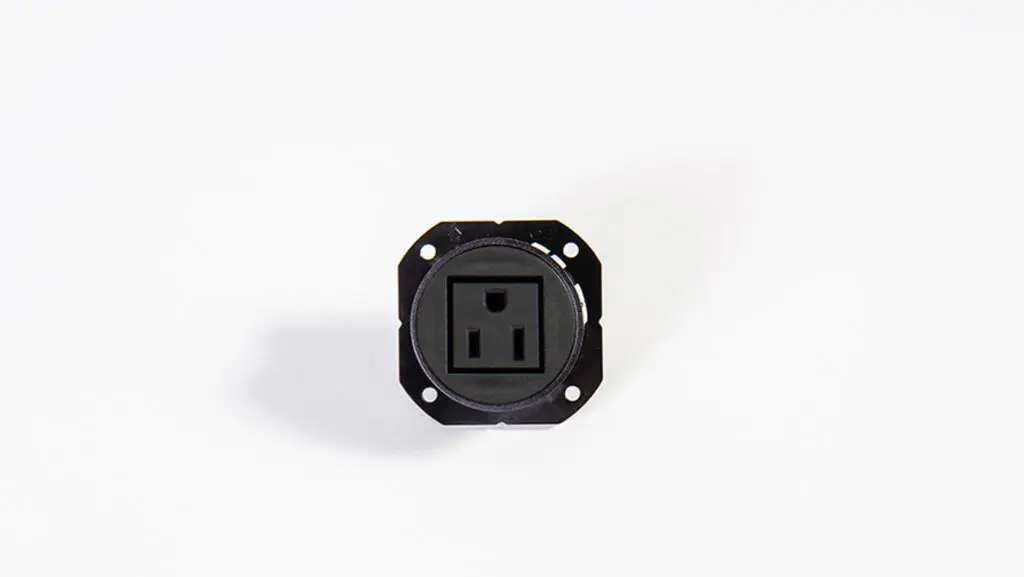
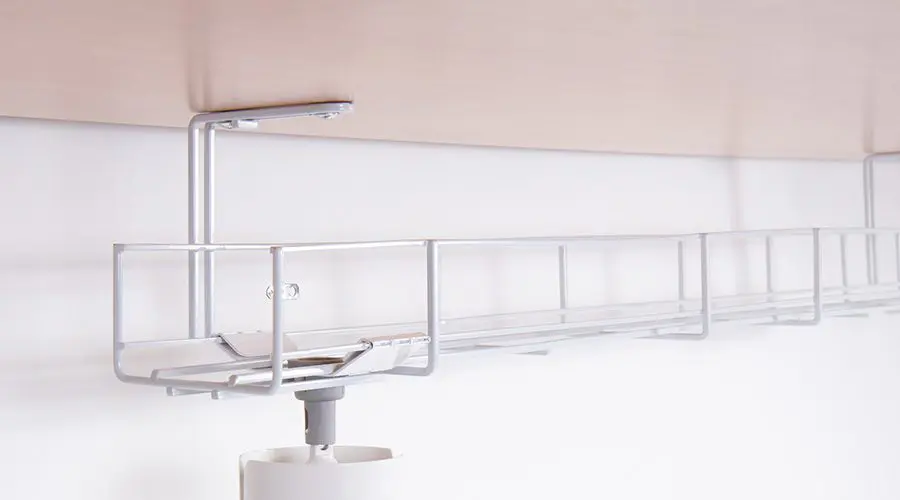
- Power integrated flush into furniture
- Cables routed out of sight and out of walkways
- Charging placed where hands naturally land, not where it’s easiest to cut a hole
This matters more than it sounds…
Visual clutter increases cognitive load. Cables across floors, dangling power bricks, and taped-down extension leads all quietly stress people out.
Invisible power creates calmer spaces, improves focus in study areas, speeds things up in transit environments, and gives commercial spaces a more residential feel (which users in 2026 are looking for).
It’s also safer, easier to maintain, and far less likely to generate the sort of phone call facilities teams dread before their first coffee.
When nobody asks where to plug in, you’ve nailed it. 👌
4. Inclusive design is finally influencing power, not just furniture
Accessibility used to stop at seat height and aisle width. Thankfully, we’ve moved on.
In 2026, inclusive design is shaping how power is integrated, not just where furniture sits.
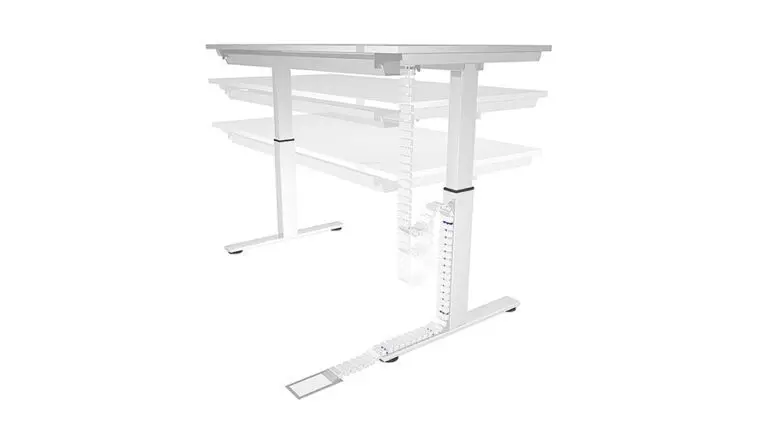
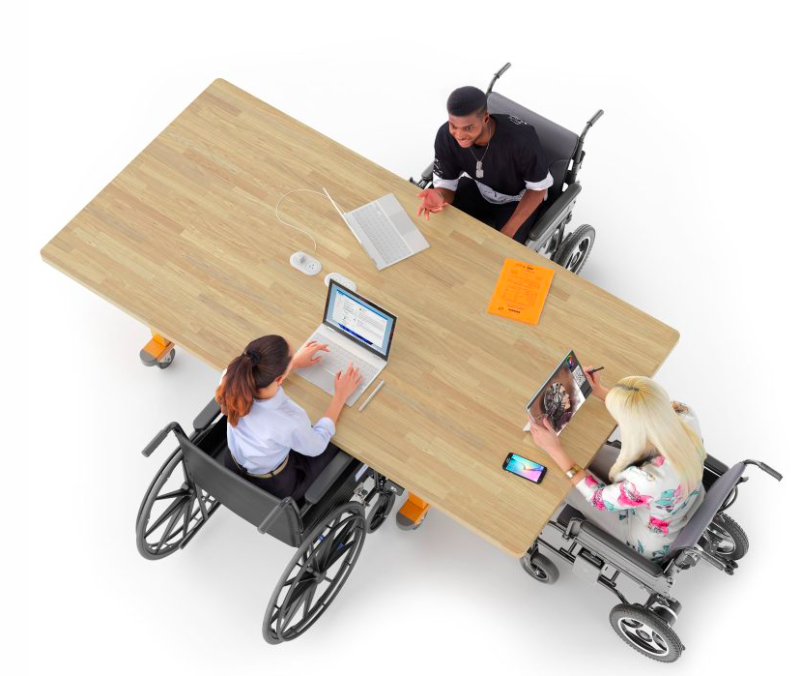
A great example comes from our work with Haskell Education Furniture, who designed adjustable-height tables that allow wheelchair users to raise or lower the surface independently.
The table worked beautifully. The challenge was power.
Loose cables, rigid feeds, and badly-placed outlets can restrict movement, snag wheels, and make adjustability awkward or unsafe.
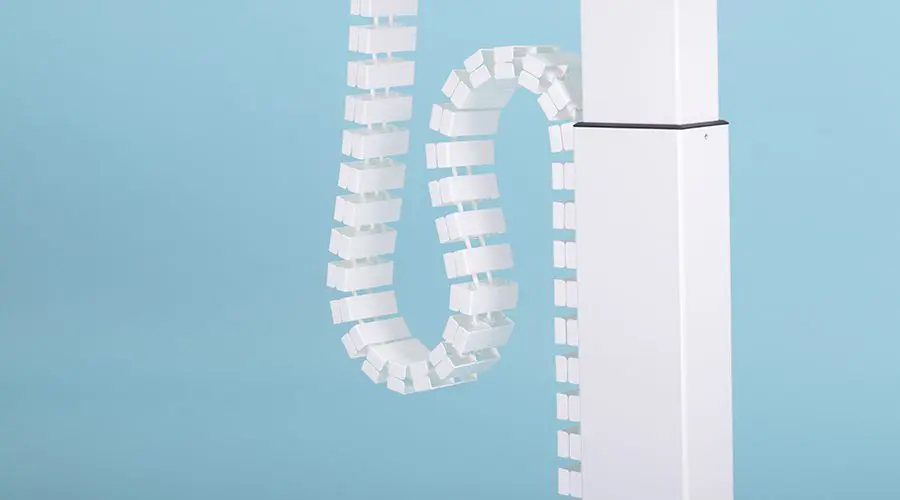
The fix is simple in principle and tricky in execution: power that moves WITH the furniture.
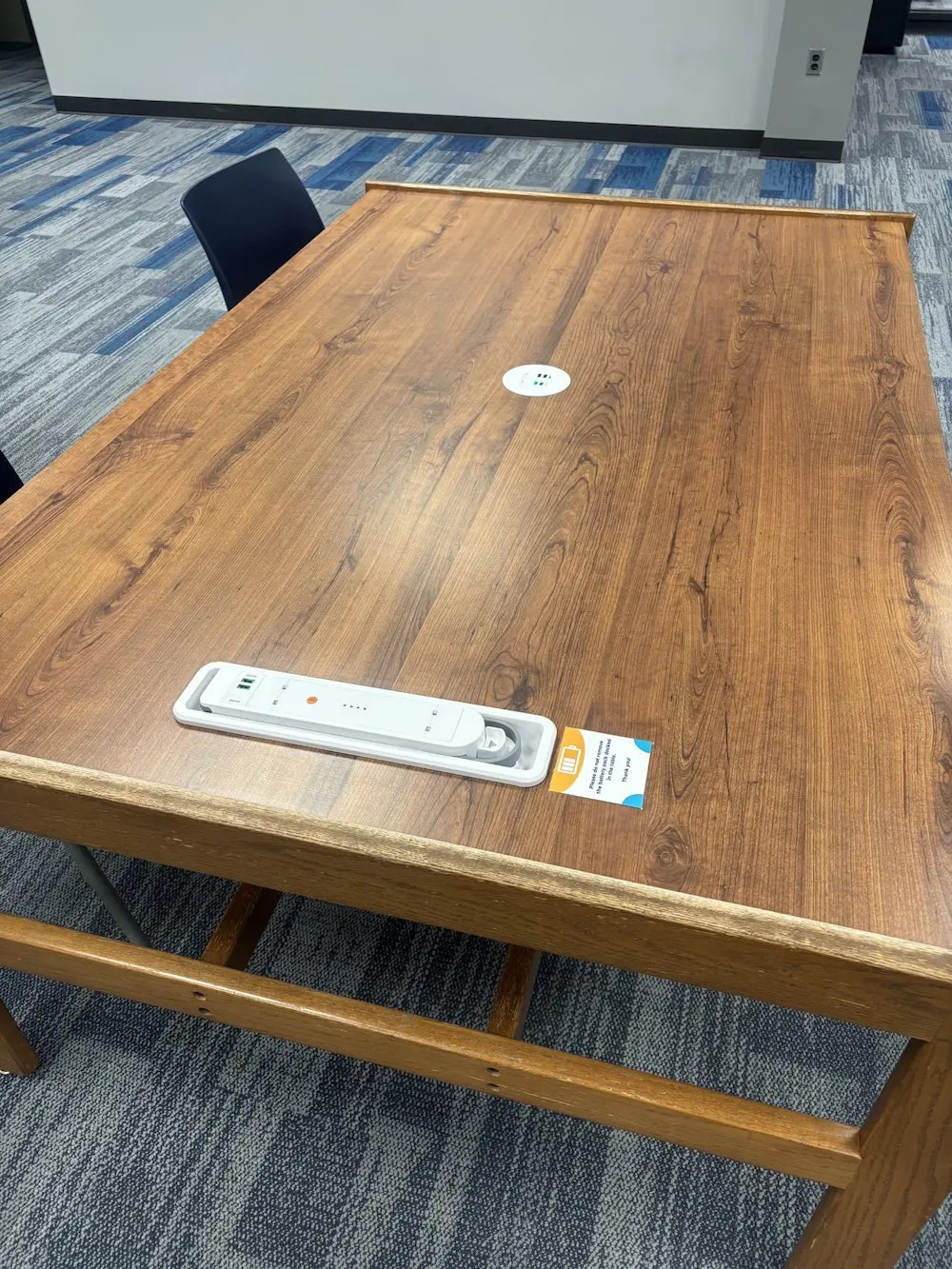
Integrated, flexible systems keep controls within reach, cables protected, and adjustments smooth. No wrestling. No workarounds.
Inclusive design isn’t just the right thing to do. It’s practical, increasingly required for funding or compliance, and vastly cheaper to design in early than retrofit later.
5. Acoustic privacy is booming, and power has to follow it
Open spaces are lovely…right up until someone joins a video call directly next to your brain.
As hybrid work and mobile studying become permanent, acoustic privacy has become a genuine priority. Phone booths, focus pods, and semi-enclosed seating are appearing everywhere, and that momentum isn’t slowing down in 2026.
But silence alone doesn’t cut it.
The moment you give someone a quiet space, you also inherit a power problem.
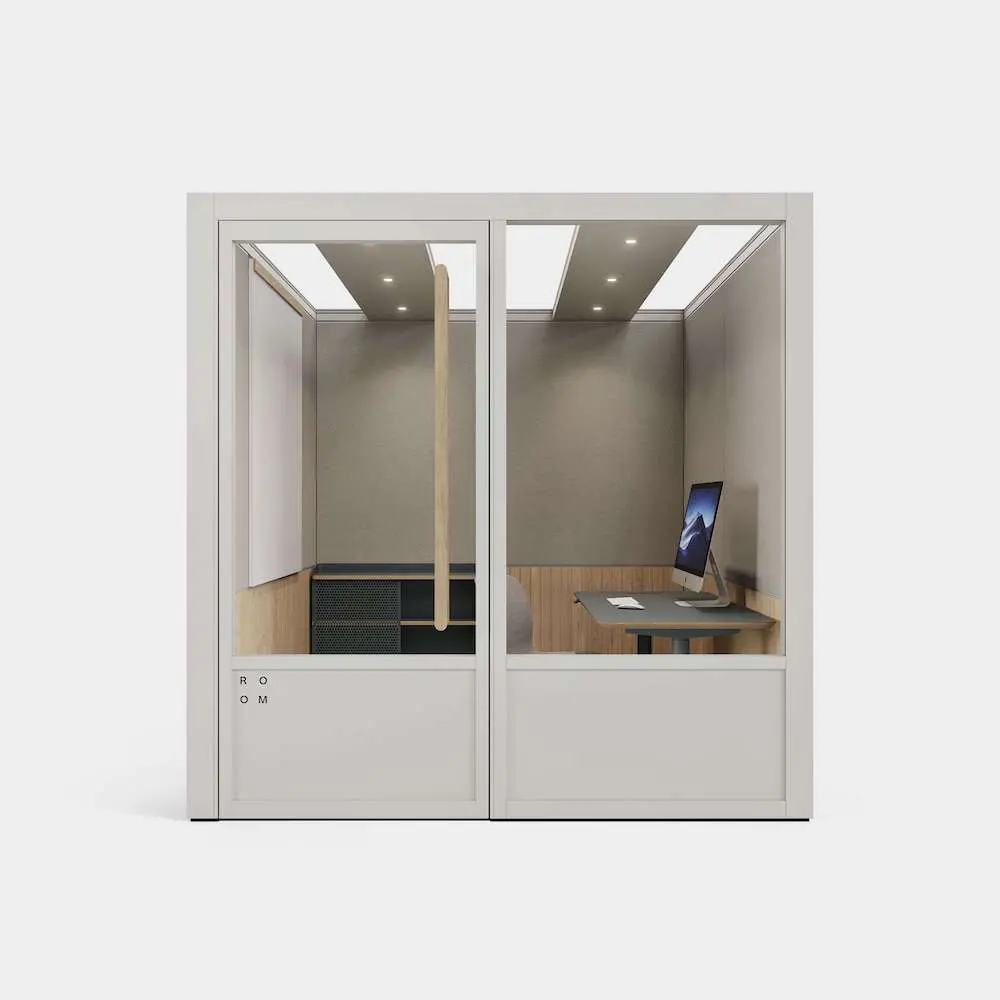
Inside a pod, people need:
- reliable USB-C
- AC power for higher-draw devices
- Lighting and cable management that feels intentional.
Miss any of that and the pod becomes an expensive cupboard people avoid. 🙅
That’s why we’re seeing more fully integrated charging in focus pods, power placed exactly where people sit in semi-private seating, and furniture designed for hybrid calls that contains both sound and cables.
Airports and universities are moving fastest here. People aren’t just waiting anymore…they’re working.
The bottom line
Across all five trends, one thing is obvious:
Power isn’t something you bolt on at the end anymore. It’s something you design around from the very first sketch.
The spaces winning in 2026 are flexible without feeling chaotic, inclusive without feeling clinical, and powerful without making a song and dance about it. They assume change, hide complexity, and quietly support whatever the day throws at them.
If your furniture and power strategy still assumes nothing will move for ten years, the future is going to feel uncomfortable.
Design for how people actually behave, and your spaces won’t just keep up…
They’ll stay charged. ⚡️