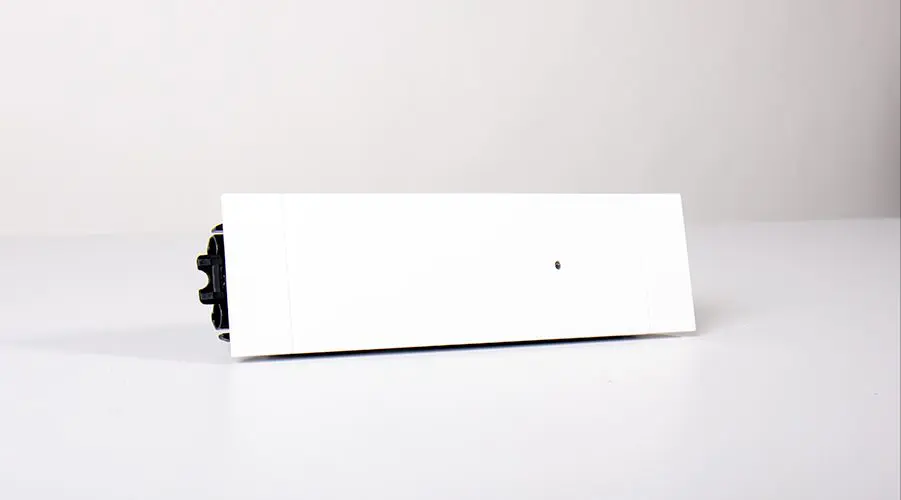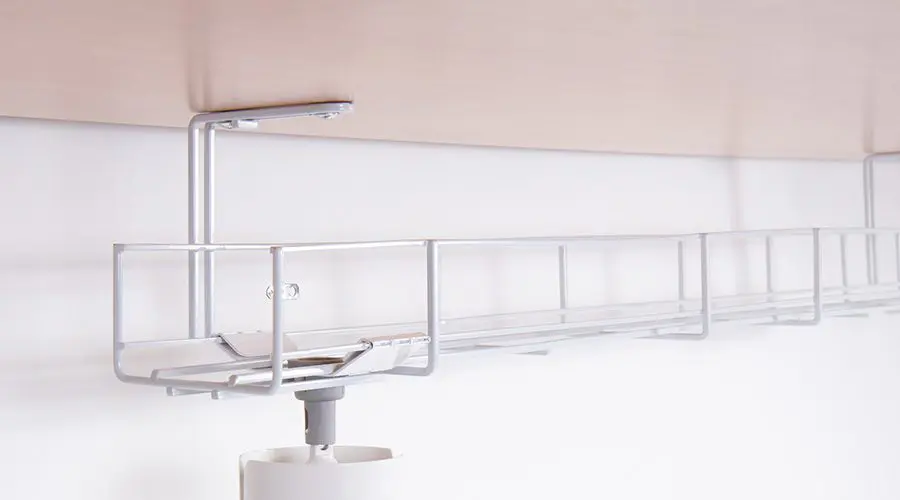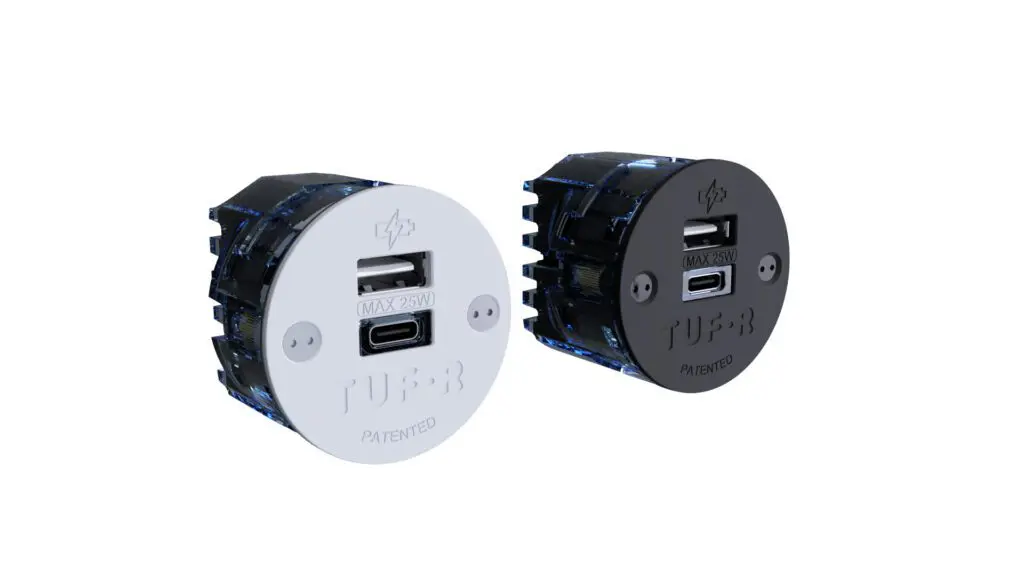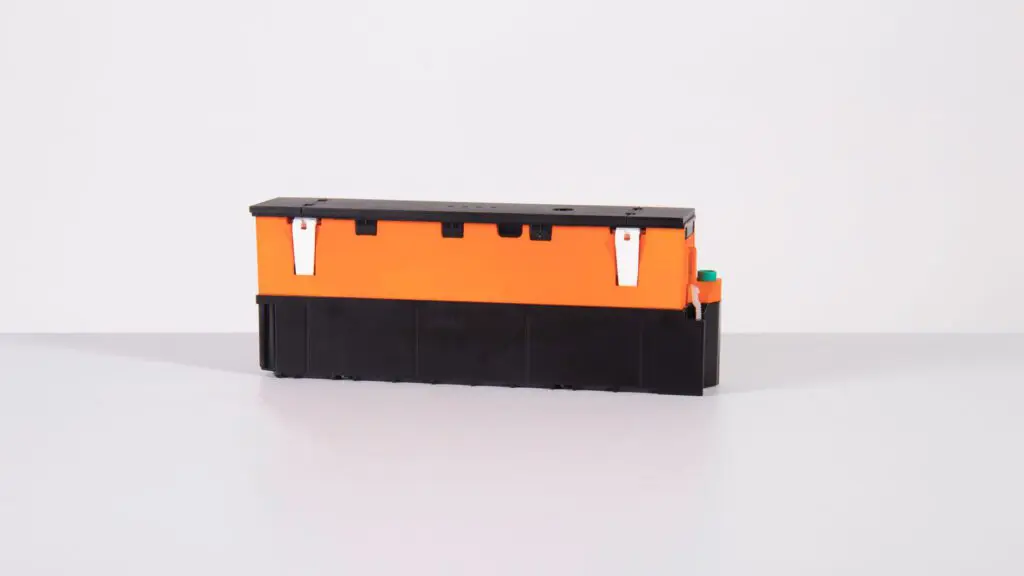
Why do I need a PSU and TUF-HP rather than a single module?
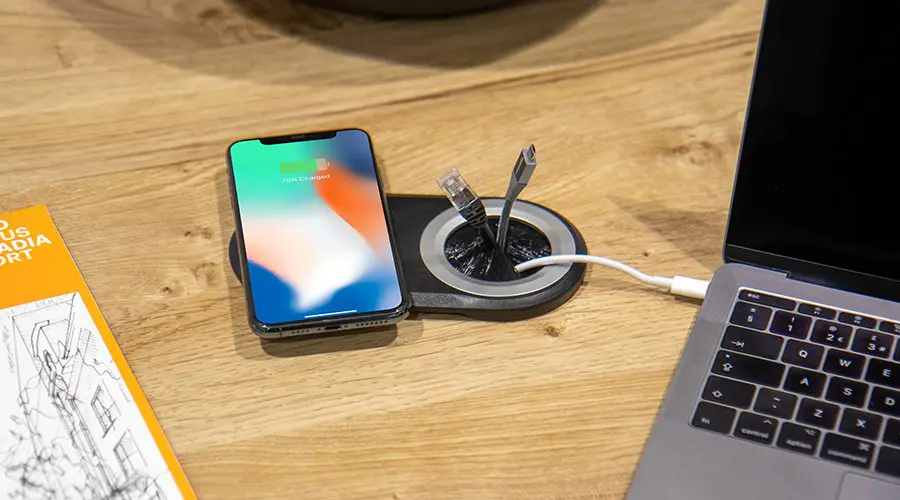
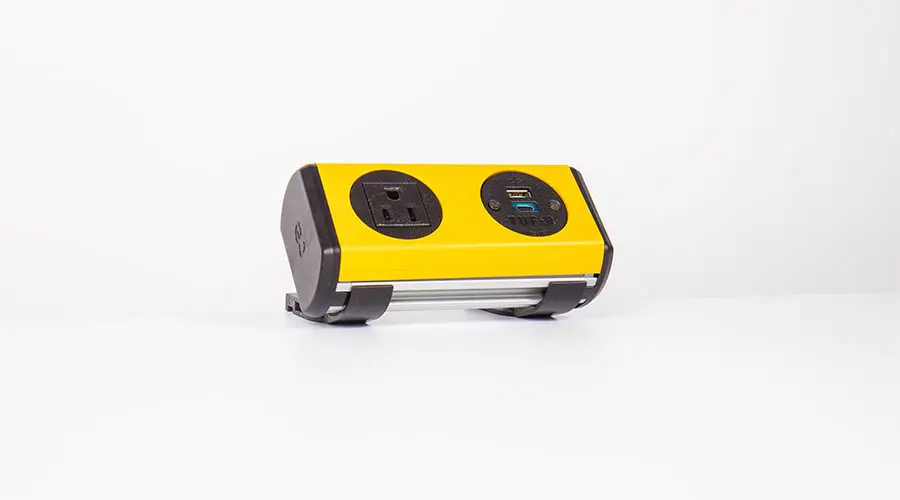
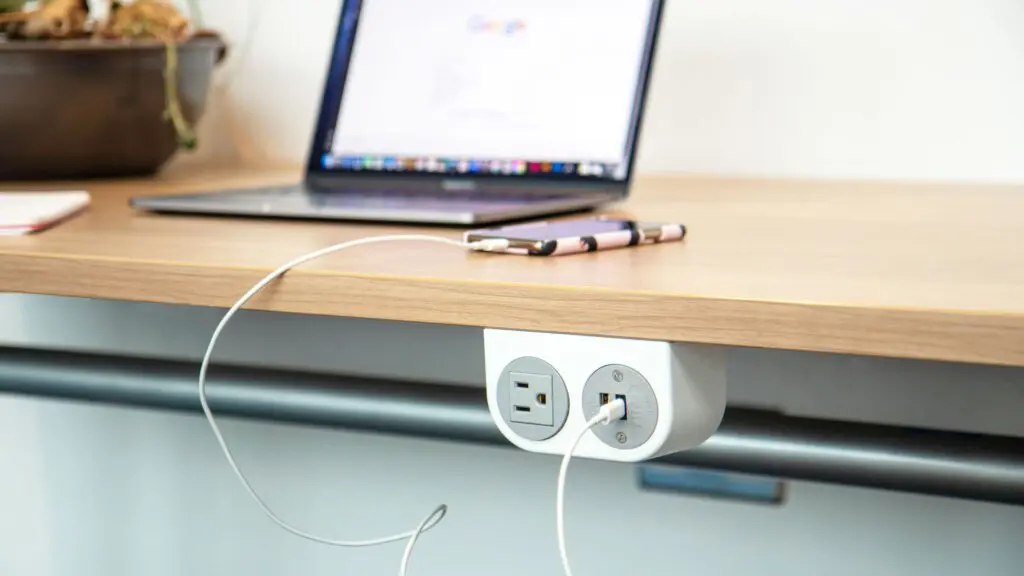
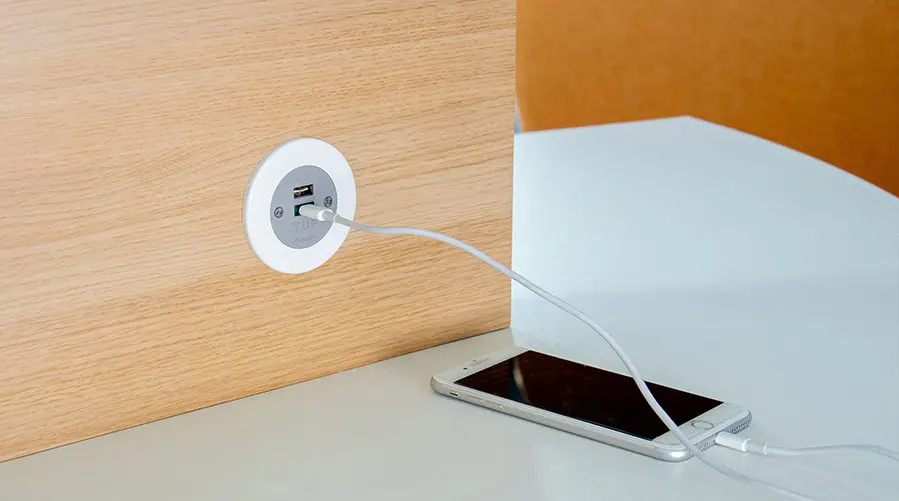
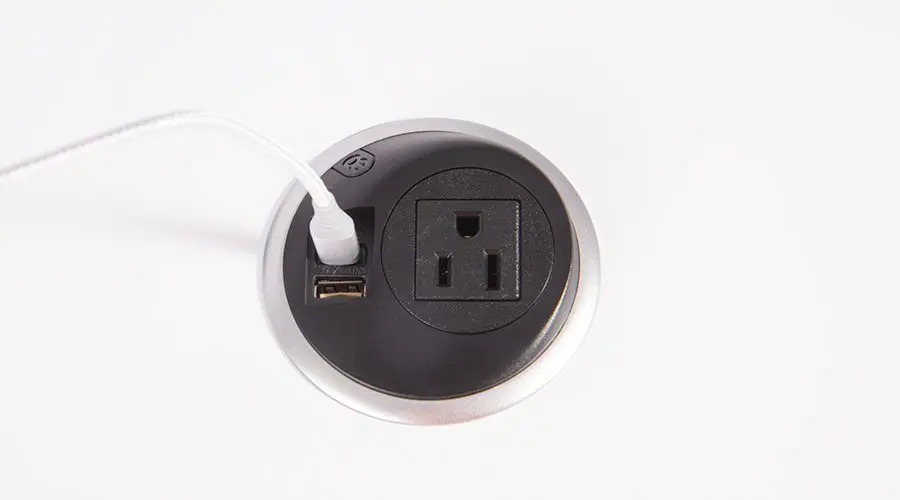
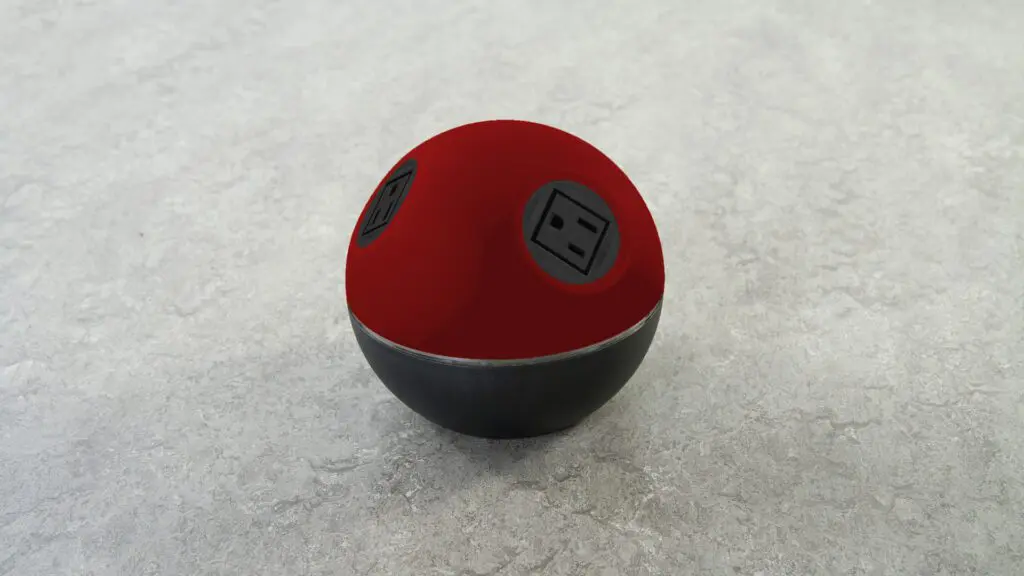
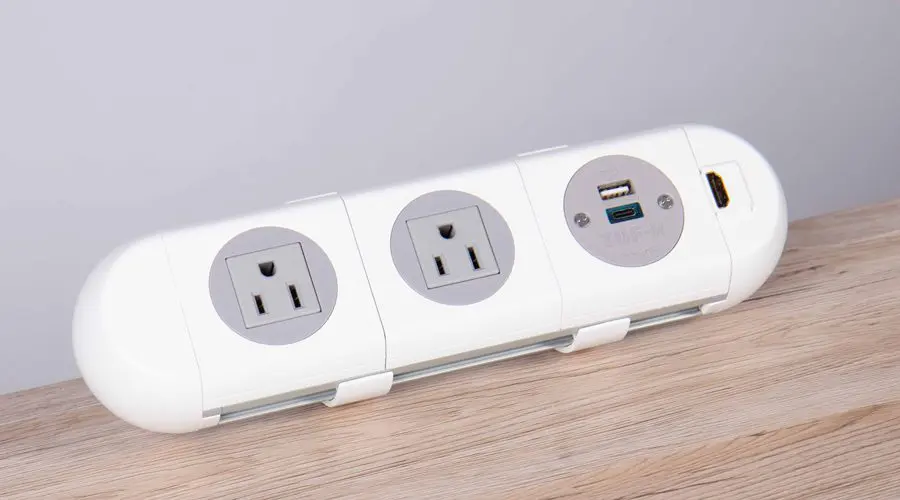
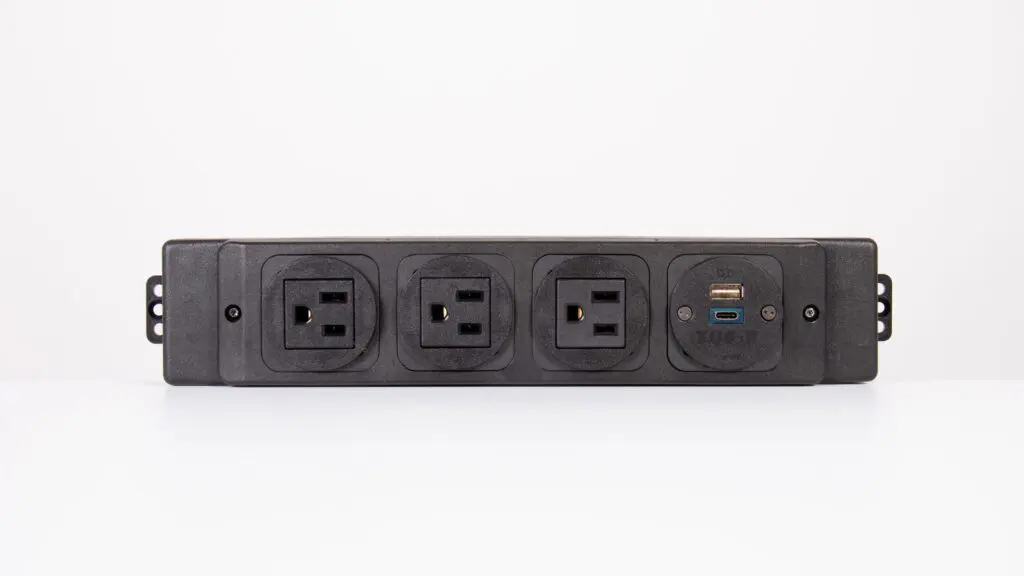
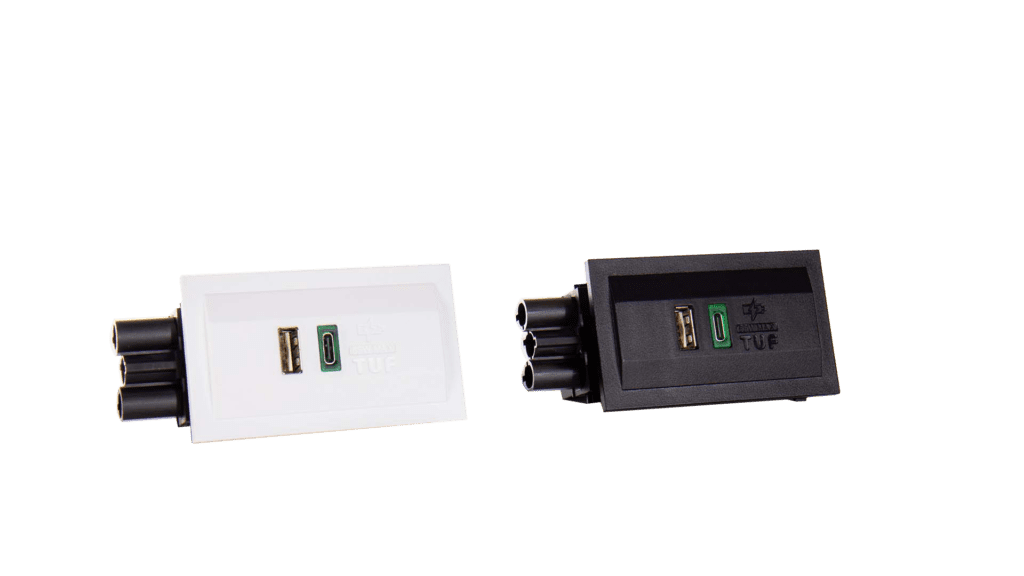
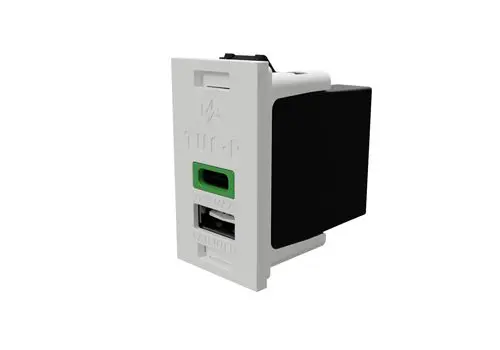
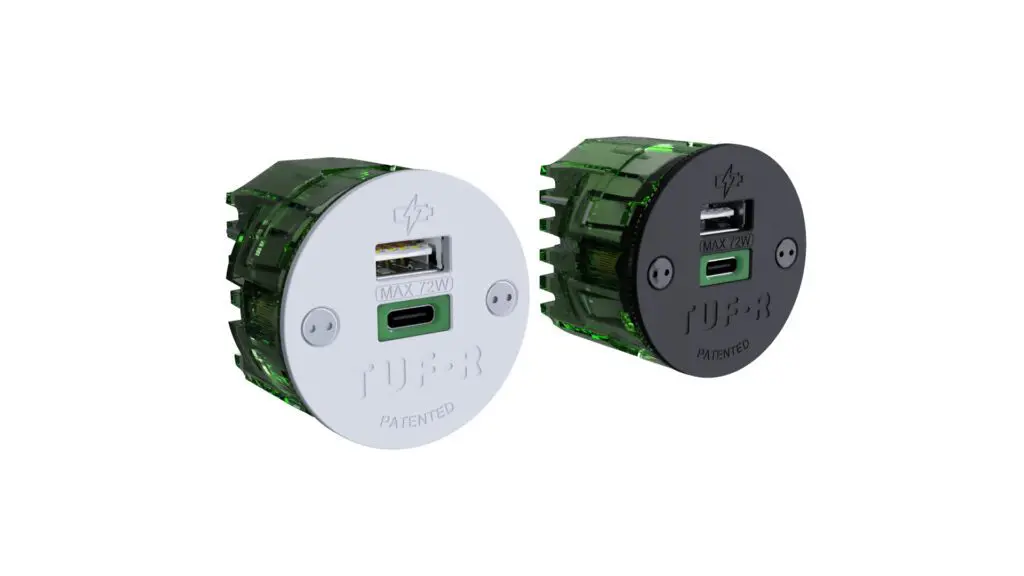
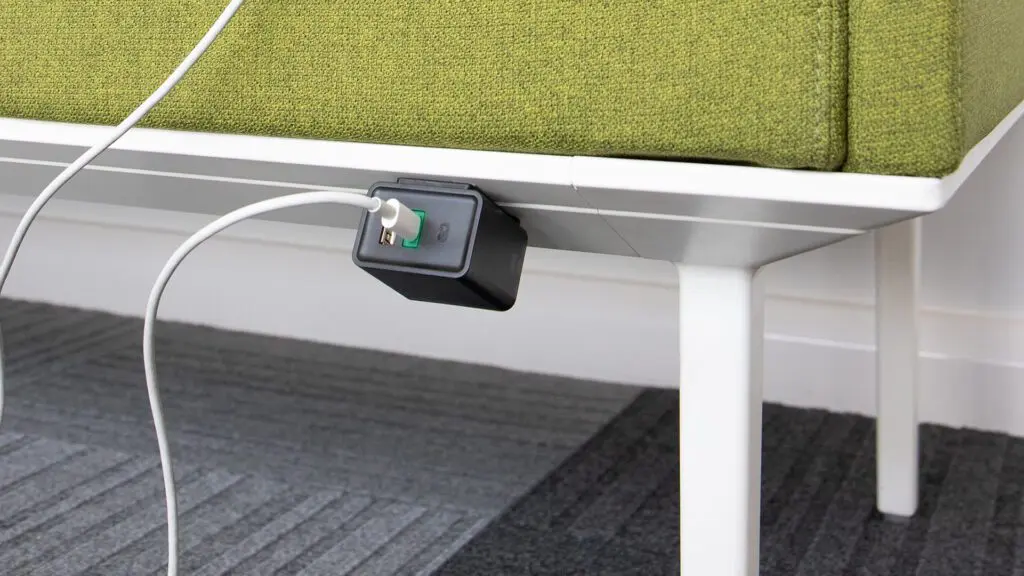
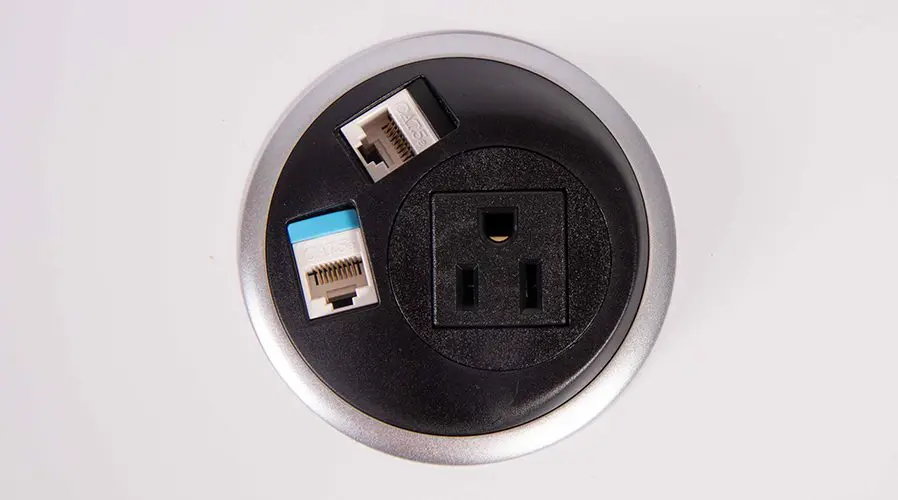
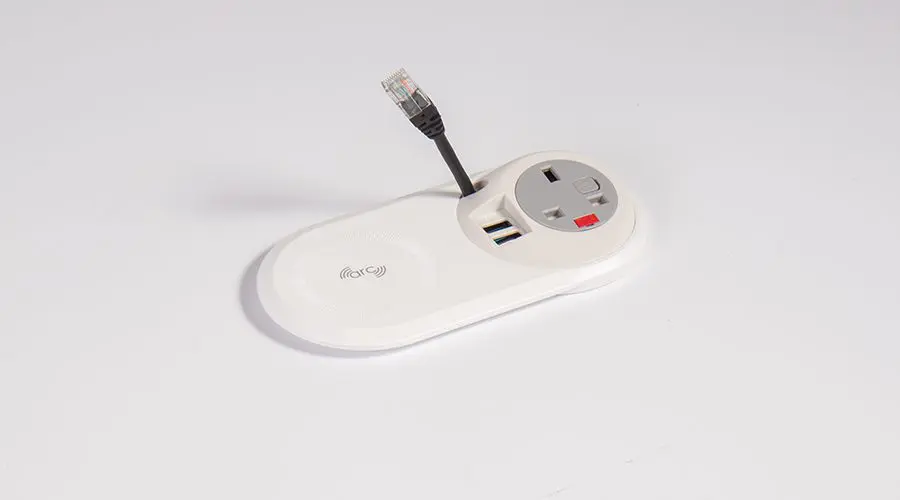
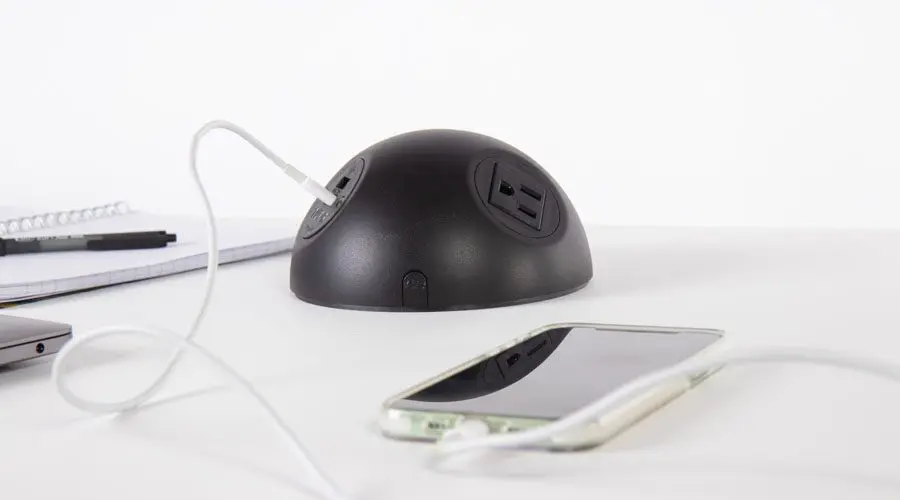
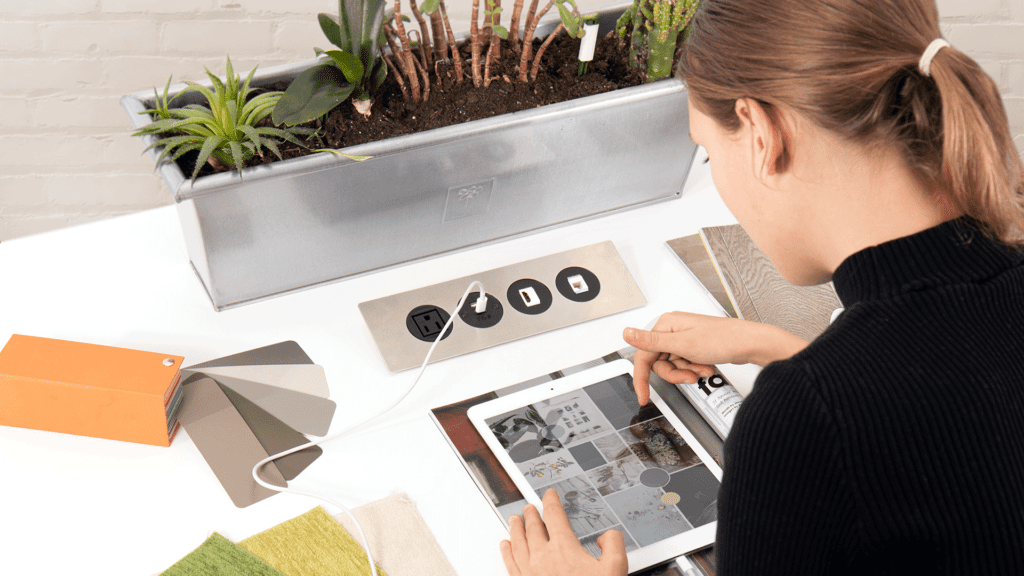
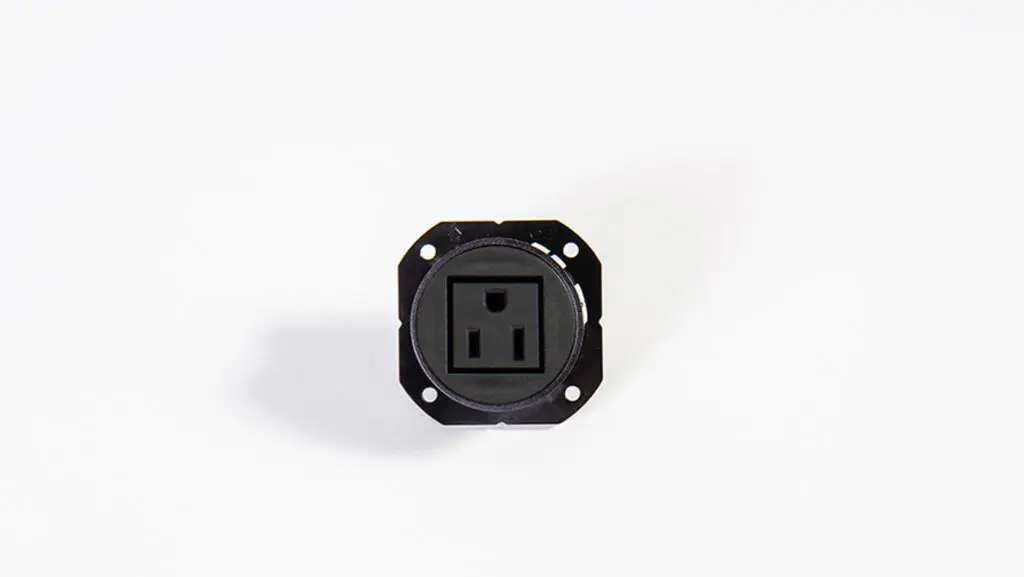
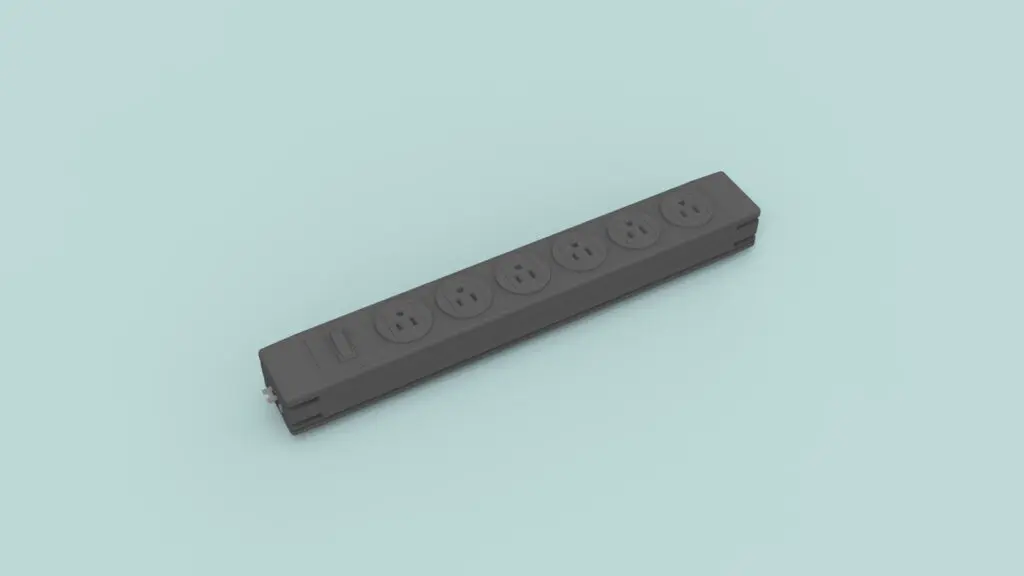
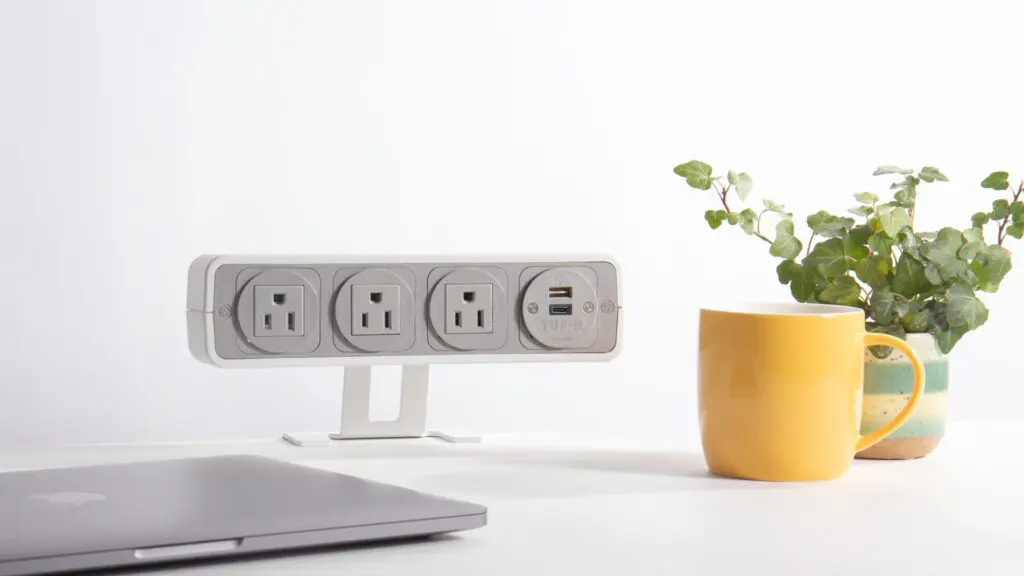
ANIMATE has been developed for installation into a wide variety of furniture applications, many of which have limited space for the user interface (ie: the USB connectors). By separating the brains (TUF-HP) from the brawn (PSU, Power Supply) the TUF-HP has been kept small, while the larger PSU can be mounted elsewhere in the furniture where there is space. Another key aspect is that this separation between the transformer and TUF-HP allows a QIKPAC Battery to be directly inserted into the system to easily transform what would be a mains connected system into a mobile battery system, with just the addition of one part. The ANIMATE PSU is equivalent to a mountable “laptop transformer”, similar in size and output power, but interconnectable with the GST18 connector system. Using ANIMATE means that users no longer need to carry around their laptop brick charger cables, and in public spaces, the danger of high voltage socket outlets is eliminated! But whereas a laptop charger only outputs a single voltage for a specific device, the TUF-HP needs to be compatible with multiple devices from phones, tablets, laptops and more, that require multiple voltages from 5V to 20V. Therefore, the TUF-HP modules house the intelligence to modify the output to suit any connected device. Each TUF-HP module can independently power the Type-A and Type-C USB at different voltages to suit whatever devices are connected to it, either individually or simultaneously. TUF-HP are not only available as standalone devices, such as the Panel mount QF05/TUF-HP or the Surface Mount PICCOLO, but also, because of the minimised footprint, in EVERY desk module that OE has ever designed, as TUF-R HP, whether it be our OEM modules or our customer’s ODM modules. But if you want a single combined module, for your application, please call us and we will see what we can do – we are always developing new solutions.
Do you need more information?
Our expert team are ready to answer anyother questions that you may have.
Looking for something else?

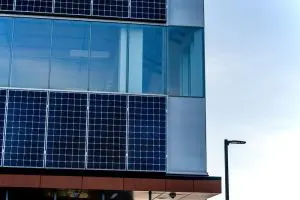
Is this the future of power? All about DC-powered buildings.
The way we’ve powered buildings for the last 100+ years might not be the best fit for the world we’re living in now. Are we on the edge of a shift in how buildings are powered?
A tale of two products: Which one would you trust?
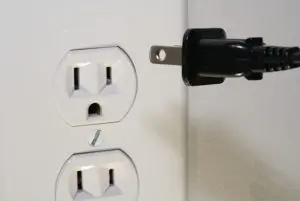
Your wall socket is NOT a bottomless pit of power, although we often treat it like one. Here’s a clear guide on making the most of a single socket without creating chaos.

How many devices can you (safely) plug into a wall outlet?
Your wall socket is NOT a bottomless pit of power, although we often treat it like one. Here’s a clear guide on making the most of a single socket without creating chaos.

8 things beautiful offices get wrong (and why they fail in practice)
Here are the most common mistakes aesthetics-focused offices make, how those mistakes cause real-world failure, and the simple solutions for spaces that look great AND don’t frustrate the humans working inside them.
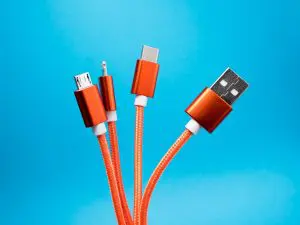
USB-A or USB-C: What should you actually install right now?
USB-A is where we came from. USB-C is where we’re headed. So how do you satisfy all types of users with your charging options today? Here’s our answer to one of the most common questions we’re asked.

10 products you didn’t know were powered by lithium ion batteries
Let’s take a look at 10 everyday (and not-so-everyday) products powered by lithium-ion batteries in 2026 — some familiar, some surprising, and at least one that might make you say, “Hang on, that uses the same battery tech as what?”