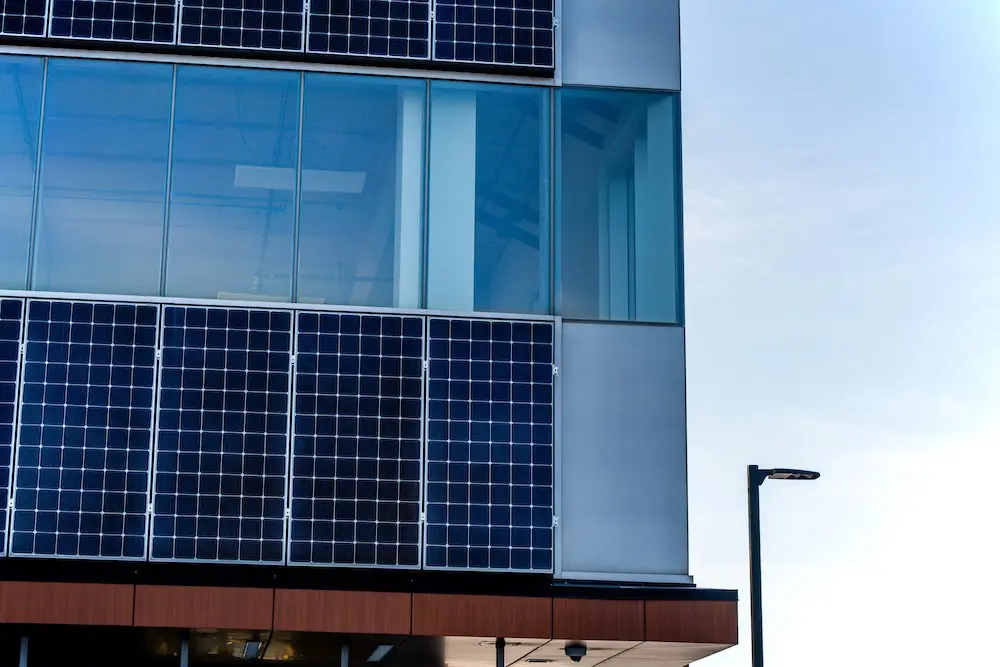
Did you know that most buildings are powered by a decision made over a century ago?
That decision wasn’t wrong. In fact, it was brilliant for its time. But the world that decision was built for…kind of no longer exists. 🤷♂️
Today’s buildings are filled with solar panels, batteries, laptops, phones, LED lighting, sensors, and electric vehicles — things that are looking for a different kind of power.
And quietly, behind all this modern tech, the old power model is starting to show its age.
That’s why people are talking about DC-powered buildings.
If you’ve heard the phrase and thought, I should probably understand that, you’re in the right place. This is your friendly, plain-English explainer — designed to help you feel informed, confident, and just a bit sharper in your next conversation.
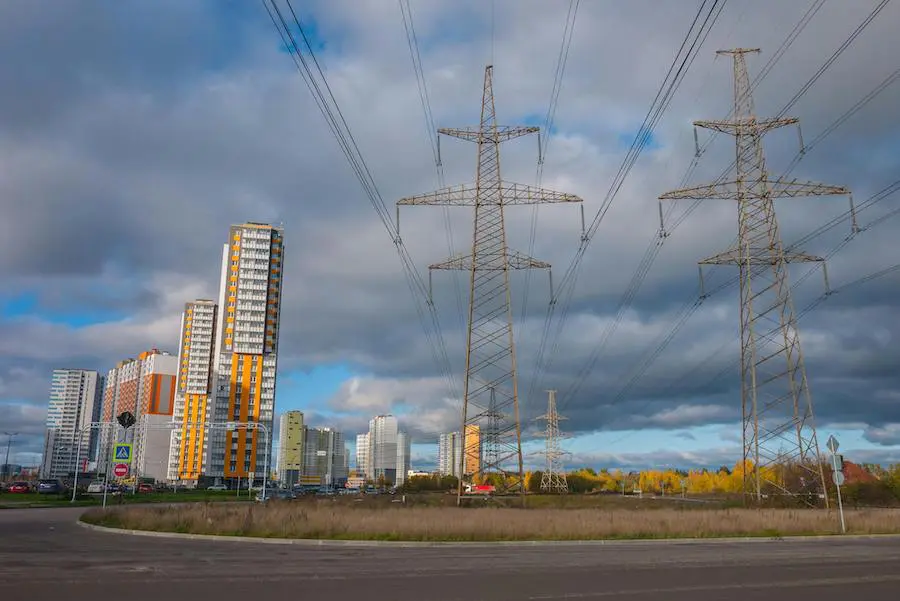
How buildings have always been powered (and why)
Almost every building you’ve ever stepped into is powered by AC electricity.
AC stands for alternating current. Instead of flowing in one steady direction (like water in a hosepipe), the electricity alternates, or moves back and forth.
It’s not the easiest thing to picture, so here’s an analogy:
Imagine a packed stadium doing a wave.
People stand up and sit down in sequence. They don’t move seats, but the wave travels all the way around.
That’s AC. ⚡️
The people are like electrons
The wave is the energy moving through them
The electrons mostly stay in place with AC, the energy is what moves.
And that’s why AC works so well over long distances. You don’t need to move electrons all the way from a power plant to your home, you just send a wave through wires that are already full of them.
Why AC became the default for buildings
In the early days of electricity, the biggest problem wasn’t phones or laptops.
It was distance.
Power plants were far away.
Cities were growing.
Electricity needed to travel miles, not inches.
AC had three huge advantages:
It could travel long distances efficiently
Its voltage could be easily stepped up and down
One power plant could serve millions of buildings
So we built grids. Then cities. Then buildings. All around AC.
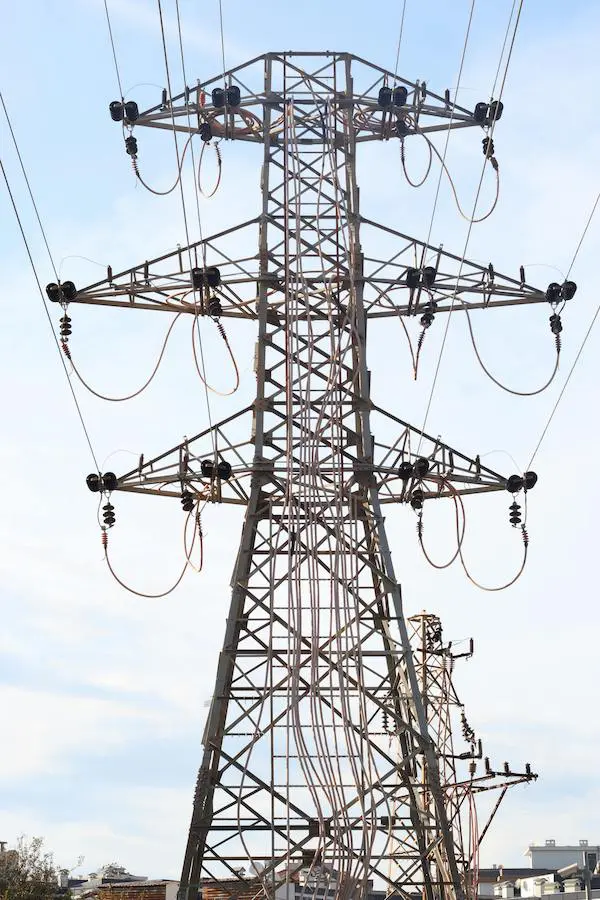
And for decades, that system worked great.
But here’s where things start to shift…
Phones. Laptops. TVs. LED lights. Wi-Fi routers. Sensors. EVs.
They don’t run on AC…
Almost all of them run on a different kind of power, called DC or direct current.
With DC, power flows in one direction — more like water moving through a pipe.
A simple way to think about it:
AC = a wave
DC = a steady, one-way flow

The inefficiency between AC and DC
The problem is that most buildings run on AC power…but almost all of the devices inside those buildings run on DC power.
So when AC power enters a building, most devices have to convert it into DC before they can use it.
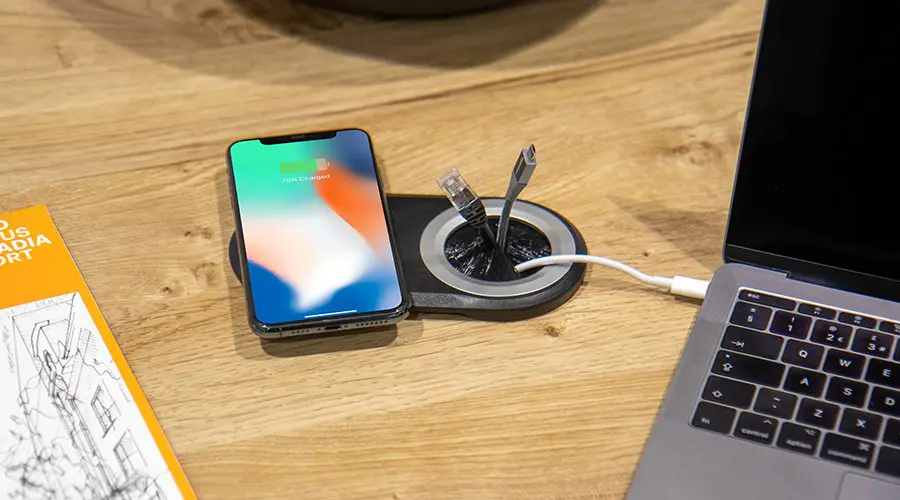
That little brick on your charging cable? It’s quietly converting AC power from outlets to DC power your device can use.
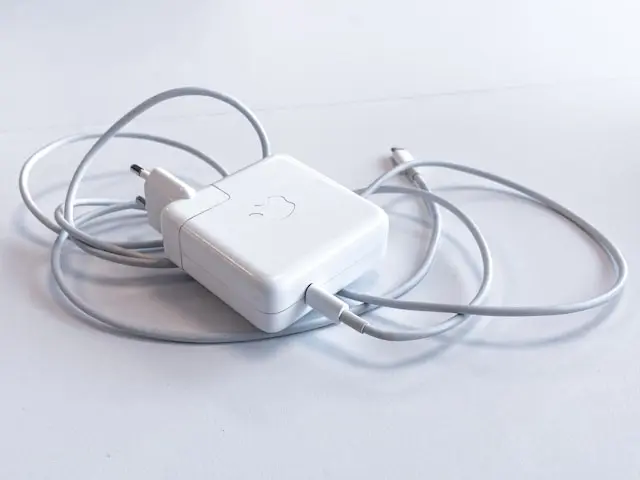
Even if it doesn’t have a bulky charging brick like this, every device has a little converter inside to make the AC➡️DC change.
And with each AC➡️DC conversion, a little energy is wasted.
One conversion isn’t dramatic. But thousands of them, all day long, is.
This trend is amplified today with solar and batteries…
Because solar panels create DC power. Which means they have to convert their DC to AC power to enter the building…and then all the devices inside turn it back to DC.
The same happens with batteries — power is converted back and forth just to be used and stored.
It works…but it’s not efficient.
The case for DC-powered buildings
With all this in mind, the simple question is:
Can’t we just power buildings directly with DC?
That’s exactly what’s being explored today.
Here’s a simple way it could work:
Solar panels produce DC power on-site
DC power enters the building and lighting, electronics, and charging use that DC power directly
- Batteries store any excess DC power for future use
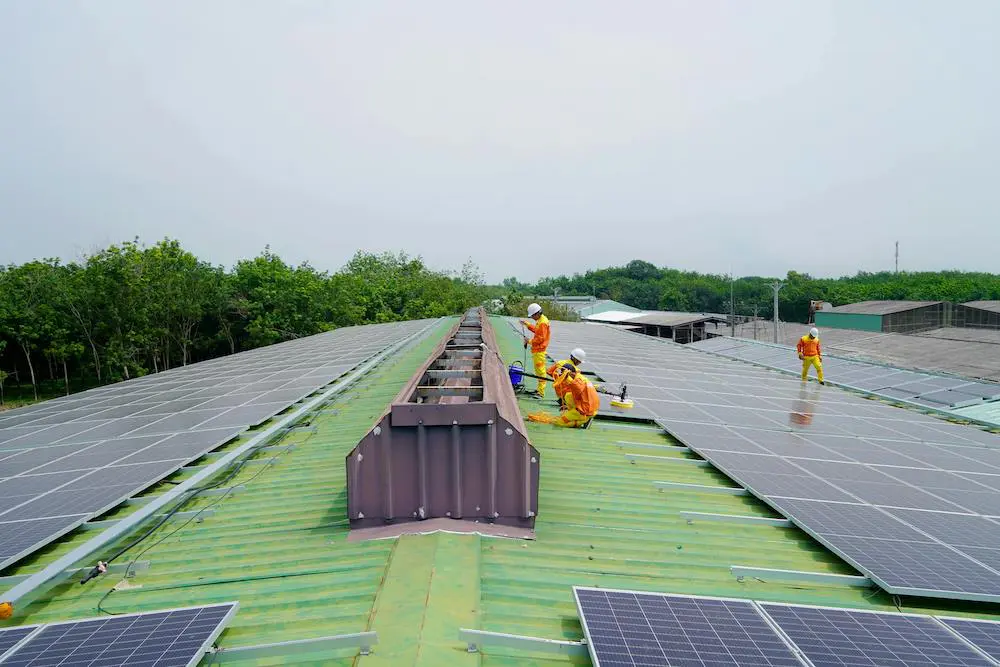
Nothing is wasted through conversations to AC and every “drop” of power would be used for charging.
So what’s the catch?
The concept around DC-powered buildings is solid. But a few issues are holding it back from becoming reality…
Standards are still evolving
AC has had a 100-year head start. DC standards exist, but they’re still being refined and standardized and that takes time.
Safety must be designed carefully
DC behaves differently during faults. Protection systems work, but they must be specified correctly.
Older buildings weren’t designed for this
Retrofitting can be complex. That’s why most progress is happening in new construction and major renovations.
So… where does this leave us?
A hundred years ago, using AC made perfect sense.
Power plants were far away. Cities were spreading out. We needed a way to move energy over long distances efficiently. AC — energy moving as a wave through wires — solved that problem brilliantly.
But today, the landscape looks very different.
Power doesn’t always start miles away anymore. It can be made right on the roof with solar panels. It can be stored in batteries on-site. And most of the things we plug in every day don’t want a wave at all — they want a steady stream of water through the pipe.
That’s why DC-powered buildings are even a conversation.
Our hunch? We won’t flip a switch overnight.
First, we’ll see hybrid buildings — AC and DC working side by side, each doing what it’s best at. That’s already starting to happen in lighting, charging, renewables, and storage.
Then, over time, as standards mature and designs evolve, we’ll likely see more DC-first or even DC-only buildings emerge, especially in new construction where the slate is clean and efficiency really matters.
It’s fascinating to watch. Not because AC was wrong (it wasn’t) but because the world it was designed for has changed.
DC-powered buildings are a response to that shift — a more efficient way of delivering power in a world that no longer looks like it did 100 years ago.
And if nothing else, at least now when someone brings this up in conversation, you won’t just nod politely. You’ll have something better to say than “Ah yes, electrics.”
And that means my work here is done. 🤓