Skip to content

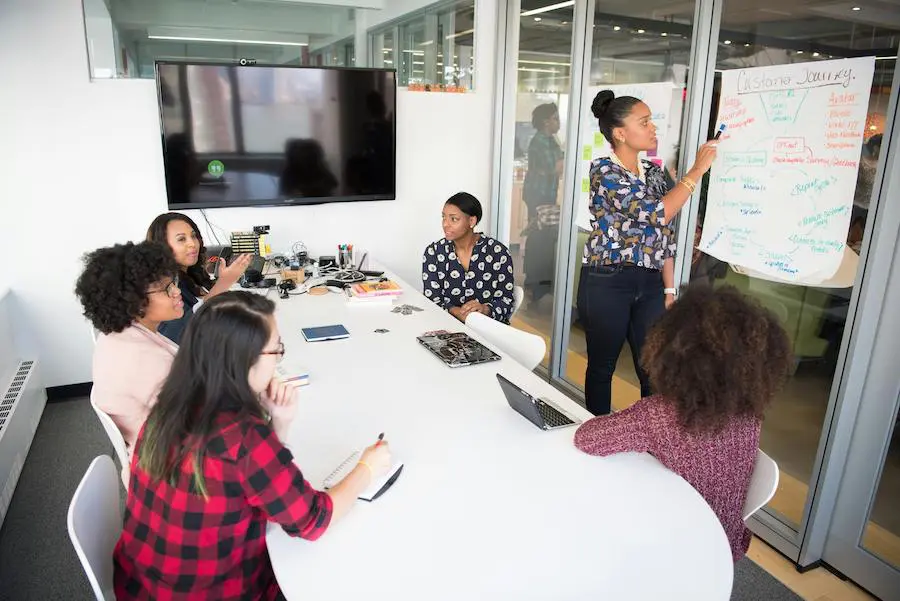
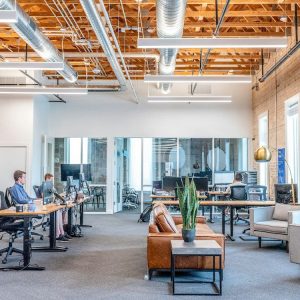
Walk into a modern workspace and you’ll see the same playbook on repeat:
- Open plan
- Bright lights
- Glass walls
- Hot-desking
- Lots of noise and conversation across the office floor
Now here’s the problem: that setup quietly taxes a lot of brains.
Neurodiversity isn’t niche. In the U.S., CDC data estimates autism at 1 in 31 childen and ADHD at roughly 1 in 9 children.
Extending beyond labels, plenty of people struggle with the noise, glare, unpredictability, and constant context-switching of many modern office spaces.
Because there is no “default human.”
And the built environment has a measurable impact on how well people think, focus, and function.
The great news: when you design for neurodivergent needs, you make inclusive spaces that work better for everyone.
So let’s get practical and talk about how we can apply this in modern offices to make the workplace work for ALL of us, not just some.

1) Prioritize choice and control
If there’s one rule of thumb to remember, it’s this: no single environment works for everyone.
Instead of designing “the perfect workspace,” it’s better to design a menu that team members can choose from, including features like:
Quiet zones for deep focus
Collaborative areas for discussion
Enclosed booths for privacy
Low-stimulation spaces for decompression
Then — and this bit is crucial — make it easy for people to move between them as needs and comfort levels change.
It’s also helpful to give people control at the micro level where possible, allowing employees the option to tailor things like:
Adjustable lighting
Flexible seating
Temperature variation where possible
Because the real productivity unlock isn’t the space itself. It’s giving people the ability to tune their environment to match their brain.
2) Reduce sensory overload

Most workplaces aren’t failing because they lack design. They’re failing because they have too much of it.
Let’s take a closer look at the different ways this plays out:
Noise
Open-plan offices increase distractions and can impair working memory as sound levels rise. And the effect is often strongest among neurodiverse team members.
Studies show cognitive performance improves when people can move from noisy environments into quieter ones, or better yet, into private spaces.
Even if you don’t have space for many private rooms, you can improve it with things like acoustic panels, soft materials, and zoning that separates loud and quiet areas.
Lighting
Lighting is a frequently cited source of agitation for neurodiverse individuals.
Flicker, glare, and overly harsh lighting can cause headaches, fatigue, and stress.
On a personal level, a hack like wearing sunglasses can help individuals reduce visual overstimulation. So encourage employees to do this where possible.
On a design level, it’s great when you can specify flicker-conscious lighting and give users local control of their lighting where possible.
Visual clutter
The BBC’s Design for the Mind checklist shows that busy patterns, reflective surfaces, and chaotic layouts increase cognitive load.
When we simplify a space and remove visual clutter, we reduce cognitive load, especially for neurodivergent team members.
3) Design for clarity, not cleverness
Clarity and knowing what to expect are often cited as extremely helpful for neurodiverse individuals.
Whereas confusing layouts, inconsistent signage, and visual overload all drain mental energy.
What works best:
Clear sightlines to key areas
Consistent signage and naming
Logical, predictable layouts
Distinct zones (quiet vs. social) that are obvious at a glance
This becomes especially critical in large shared environments like airports, universities, and transit hubs — places where people are already mentally overloaded.
Good design removes unnecessary decisions. When you make clarity and intuitive use part of your design approach, neurodivergent individuals will breathe a sigh of relief, knowing exactly how to use the space.
4) Normalize rest and decompression

Focus is not a constant state. It often requires periods of downtime to recharge. This is true for everyone, but can be especially pronounced in neurodiverse team members.
Yet most workspaces are designed as if people should operate like robots from 9 to 5.
Neuroinclusive spaces build in features to help people regain focus, like:
Quiet rooms
Wellness or reset areas
Low-stimulation corners
Spaces for stepping away without explanation
And importantly: they make using those spaces feel normal. Bonus points if upper management is seen using them too, as this will encourage team members to actually utilize these spaces, not just see them.
Because the goal isn’t to squeeze more hours out of people. It’s to help them recover faster, so their best work shows up more often.
5) Eliminate friction in the basics
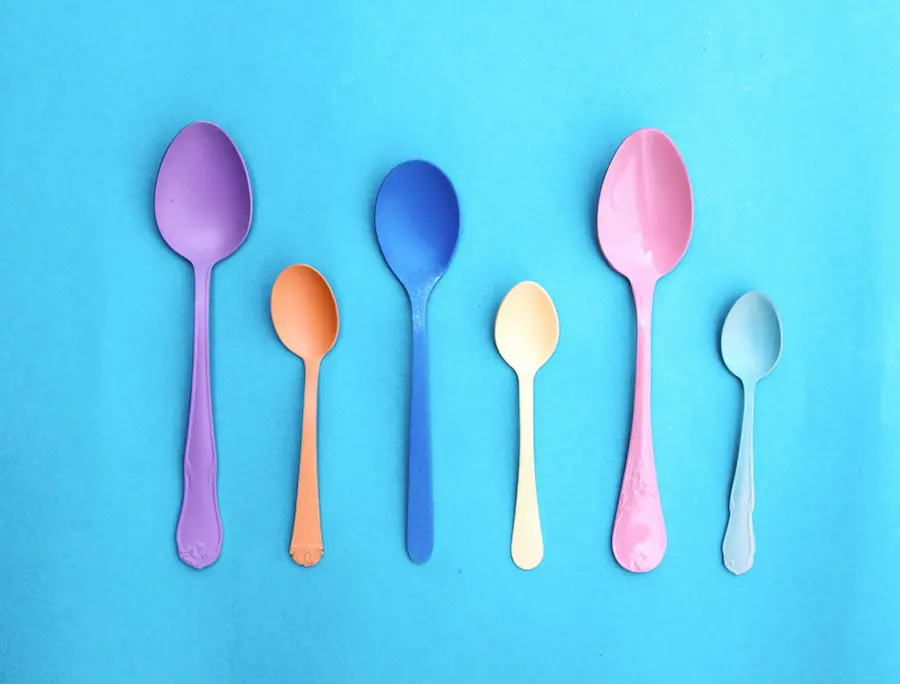
Have you heard about spoon theory regarding neurodivergence?
It describes energy as a limited daily resource, which is how many neurodiverse individuals experience their capacity.
The idea is simple…
You start each day with a set number of “spoons,” and every task — whether it’s working, socializing, or even getting ready — uses some of them.
Once you’ve used all your day’s spoons, you have to wait until the next day to get more. There’s simply no way to “make” more spoons.
This illustrates how neurodivergent people often have to carefully prioritize how they spend their energy so they don’t run out of spoons prematurely.
Eliminating design friction helps people avoid using unnecessary “spoons” on solving irritating problems.
Take power, for example…
A lack of accessible charging creates low-level stress by forcing people to figure out:
“Where should I sit?”
“Is this outlet working?”
“How much battery do I need to finish this task?”
It sounds minor, but stack that friction across a day and the lost spoons add up.
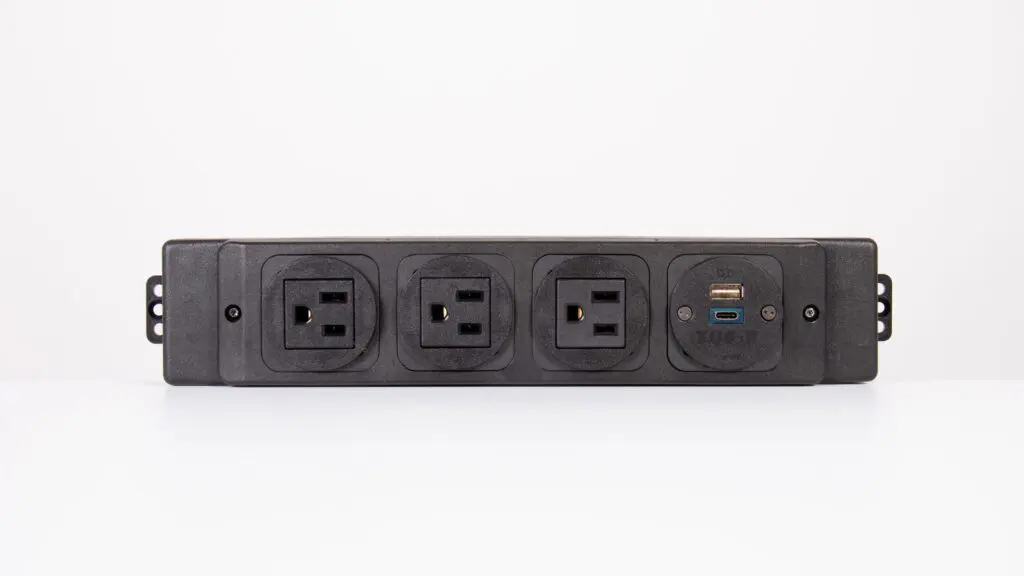
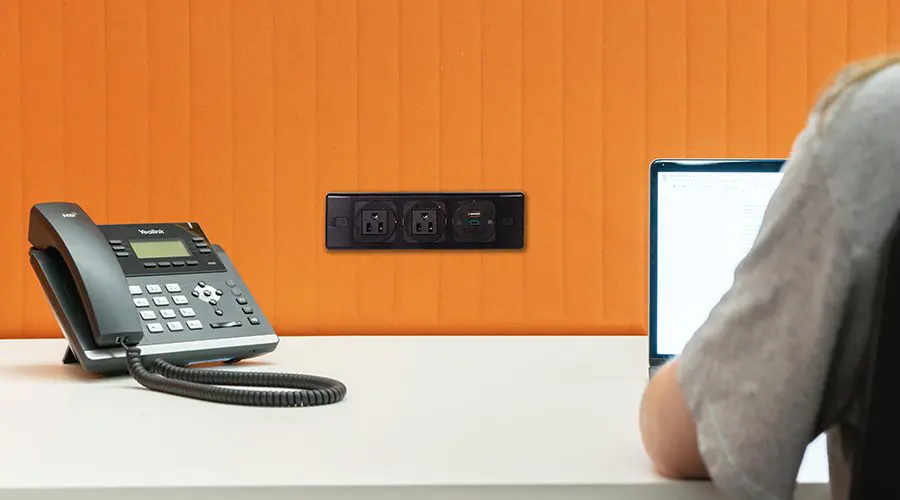
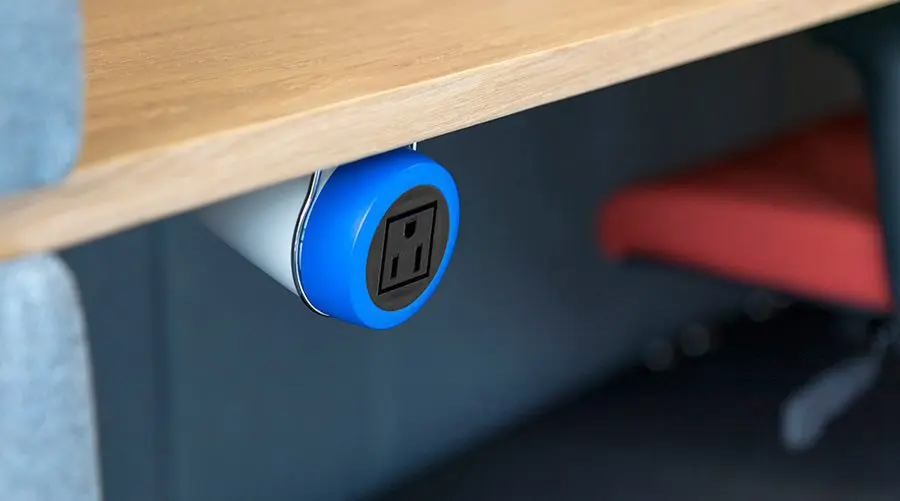
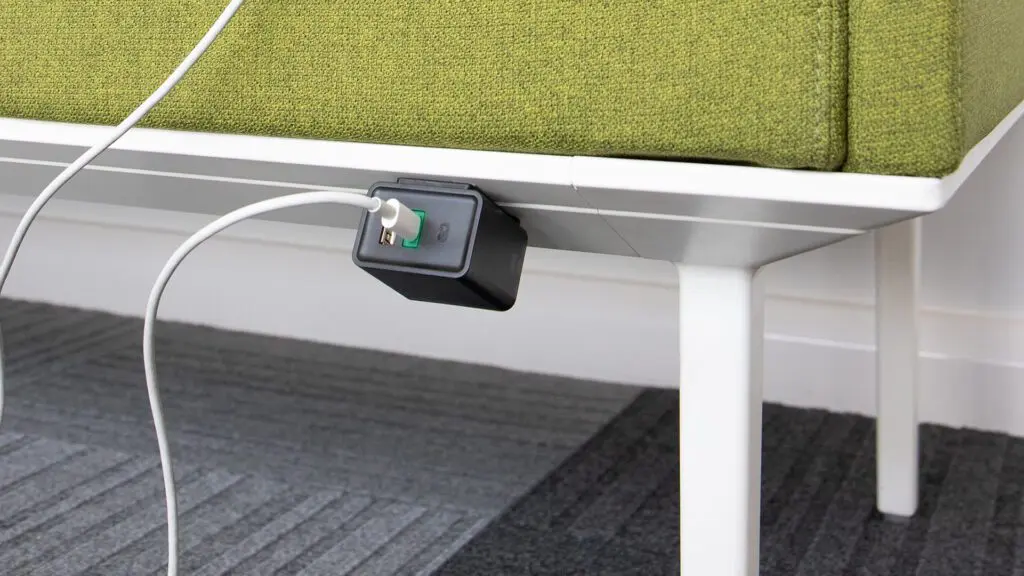
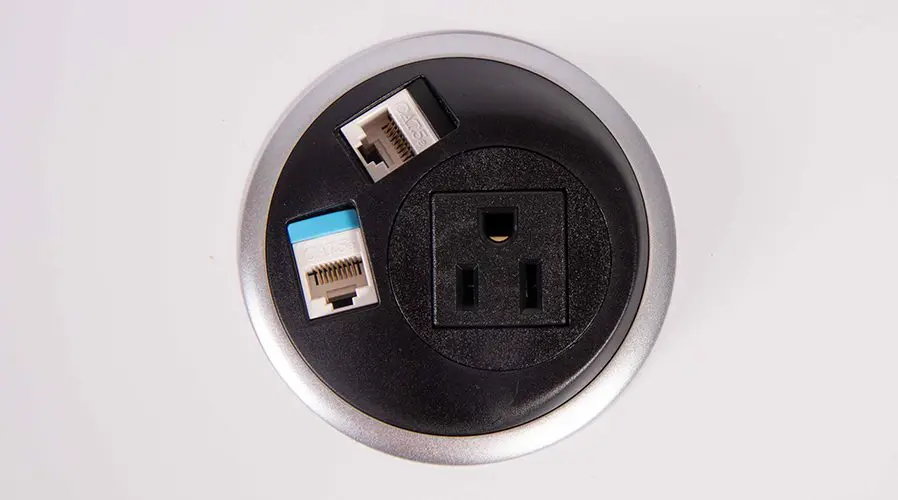
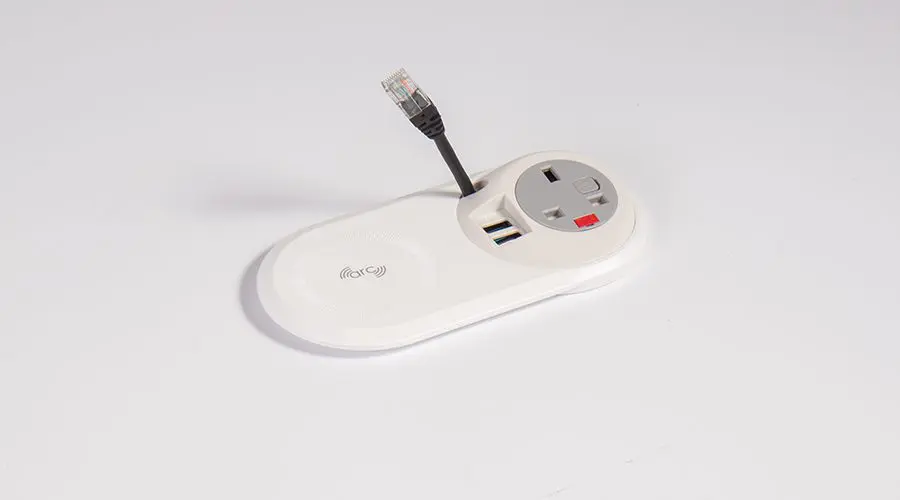
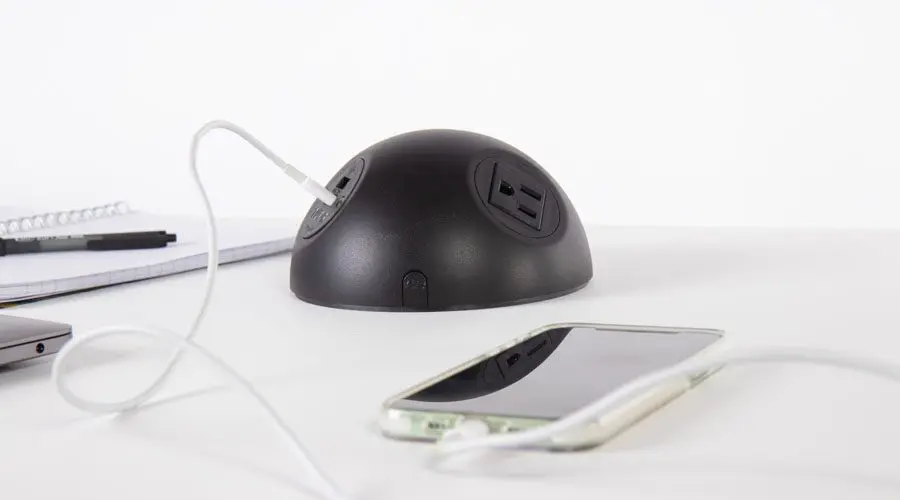
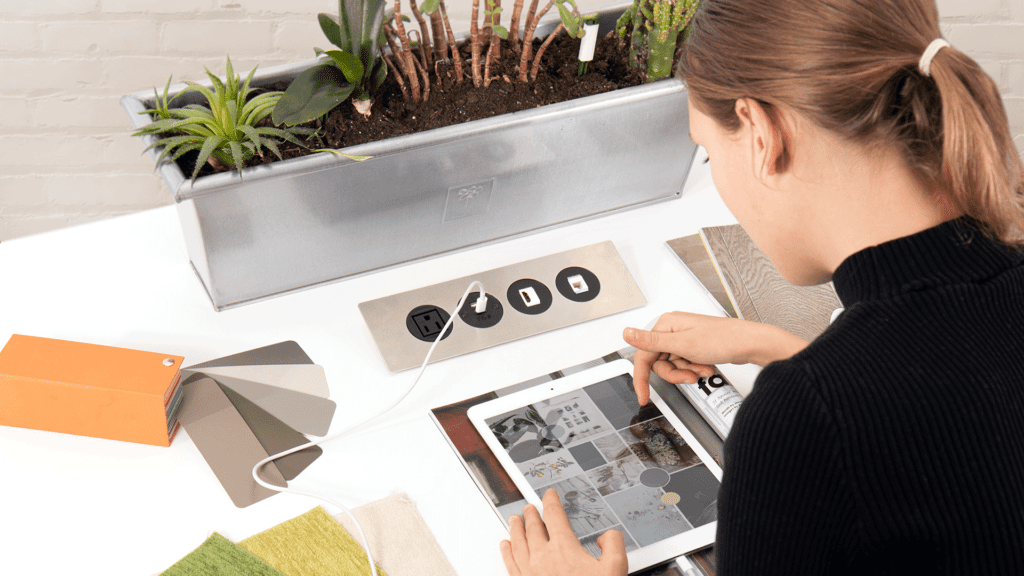
To combat this, remove friction where you can. When it comes to power, we recommend:
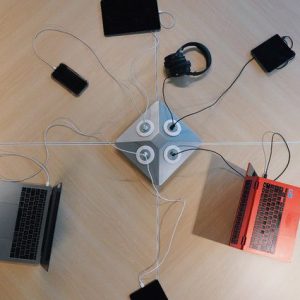
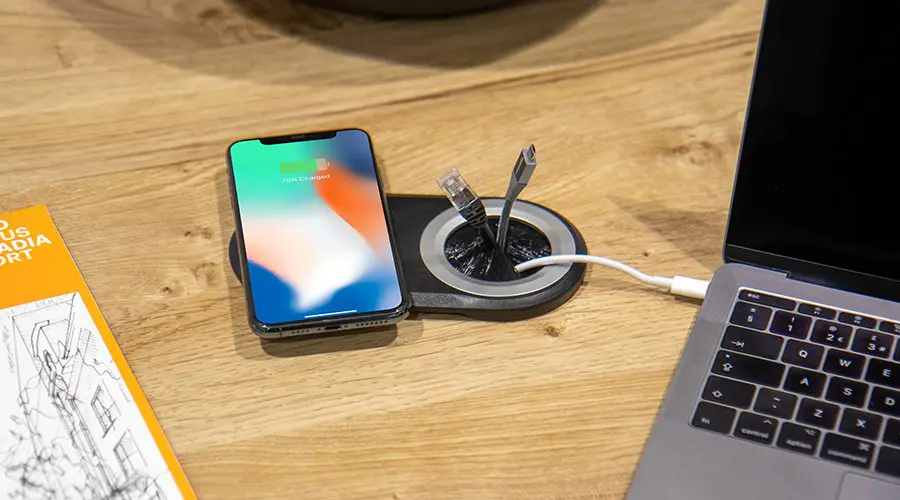
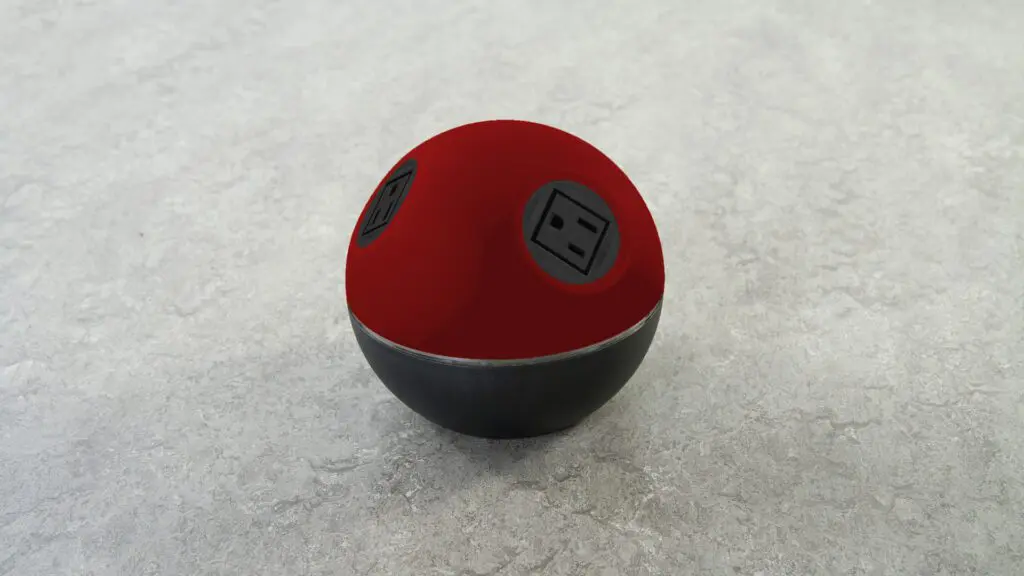
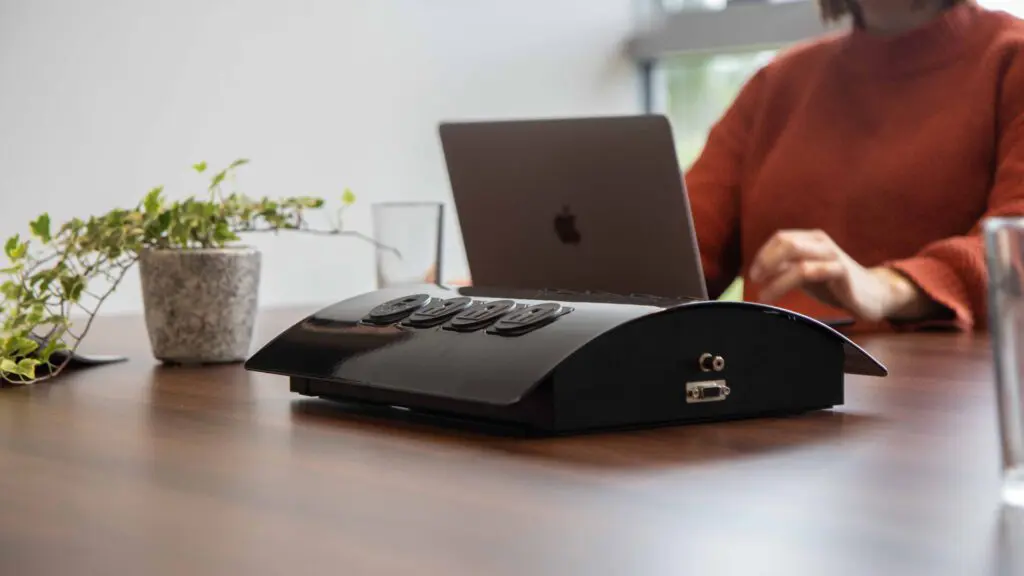
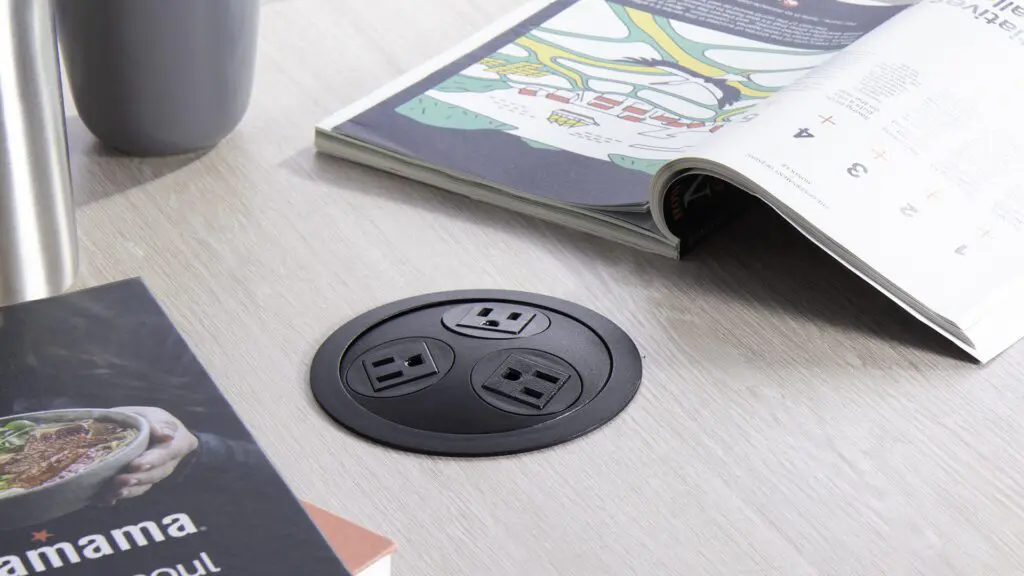
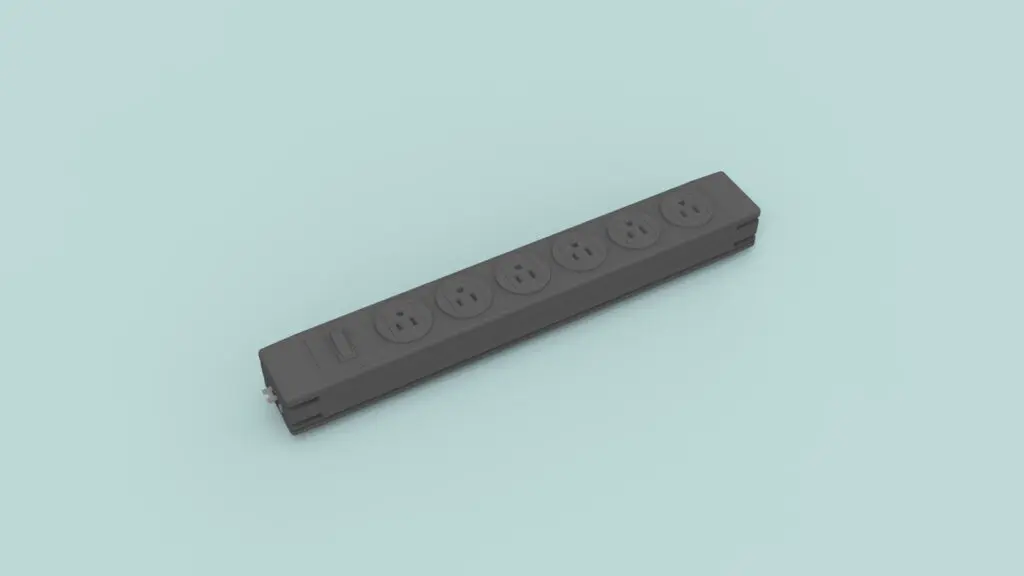
- Provide ample power options
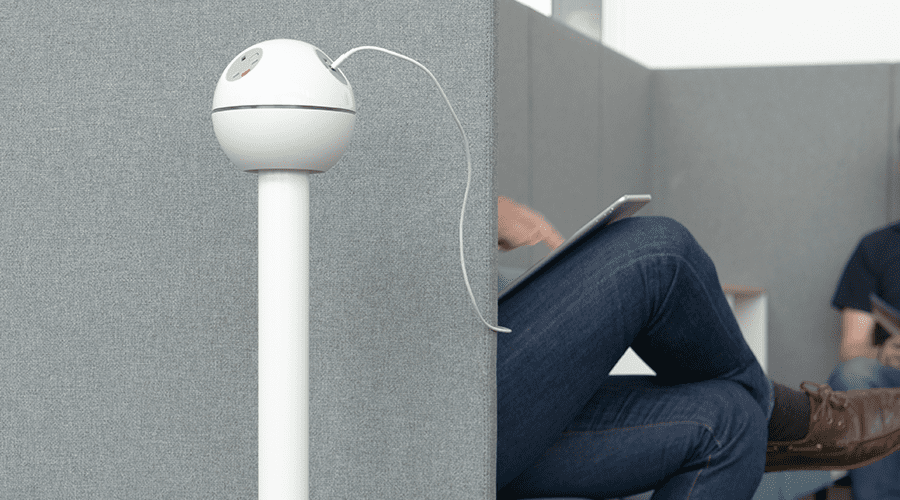
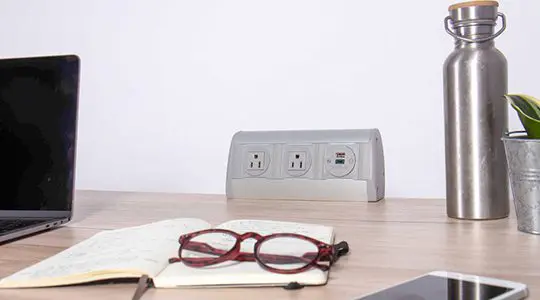
Put power where people naturally gather and work
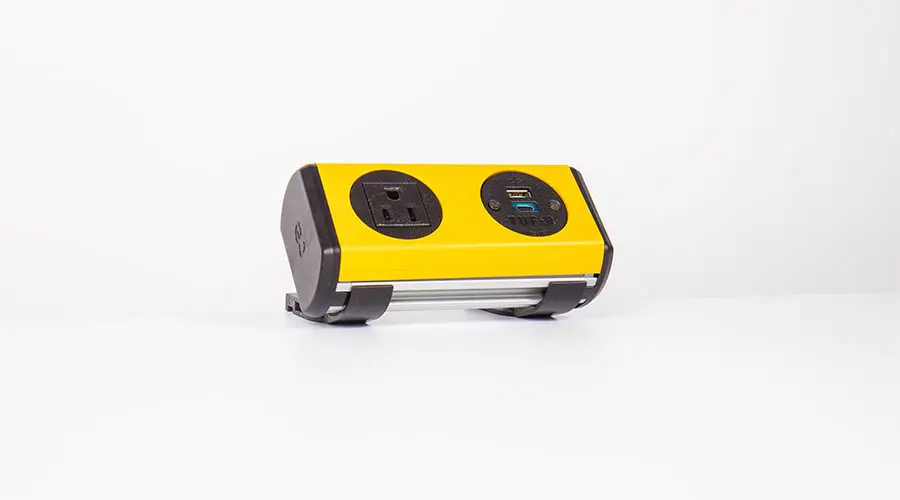
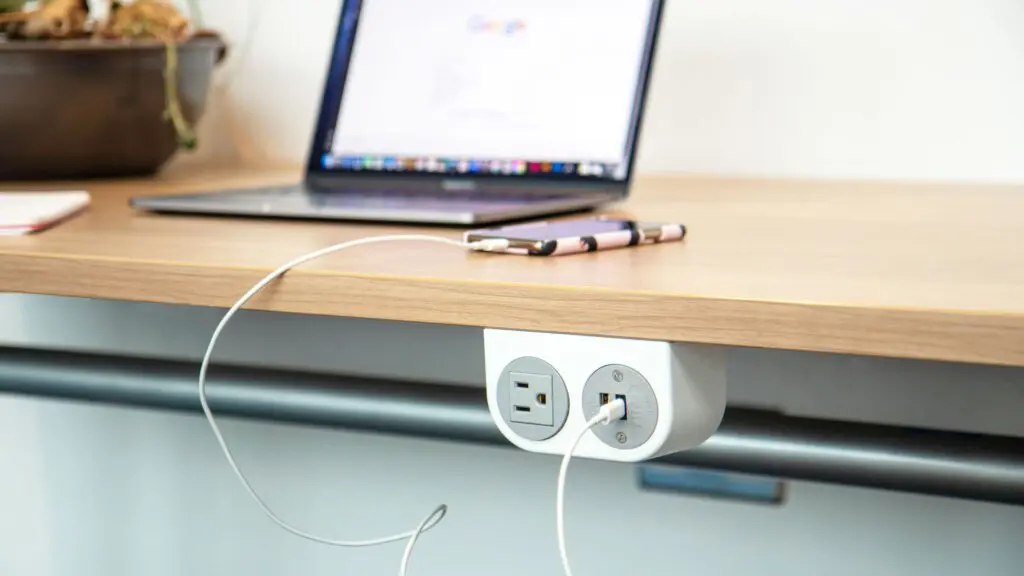
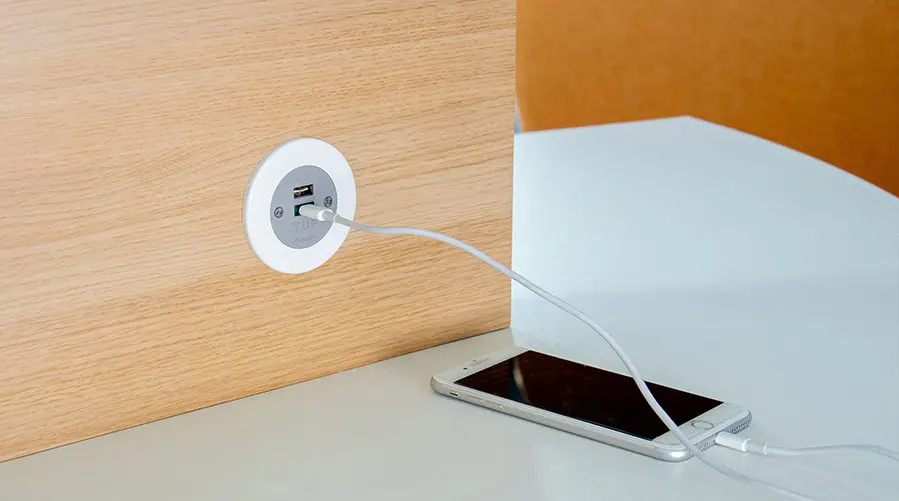
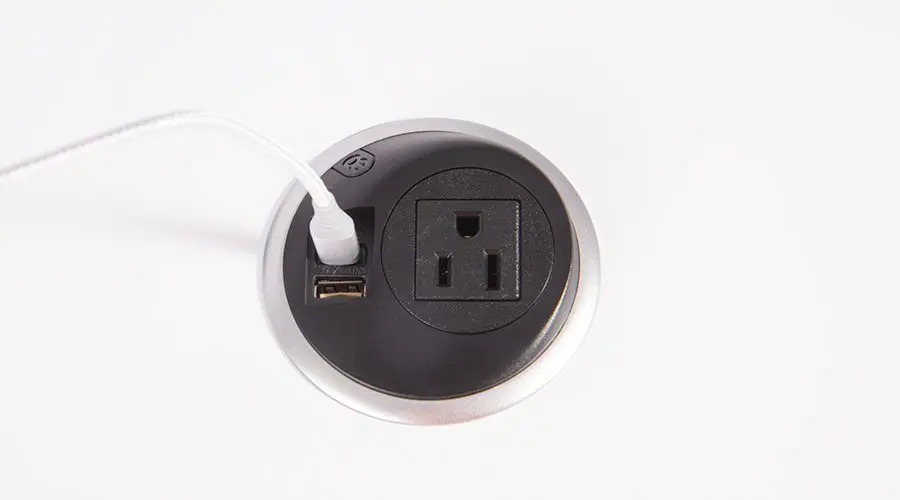
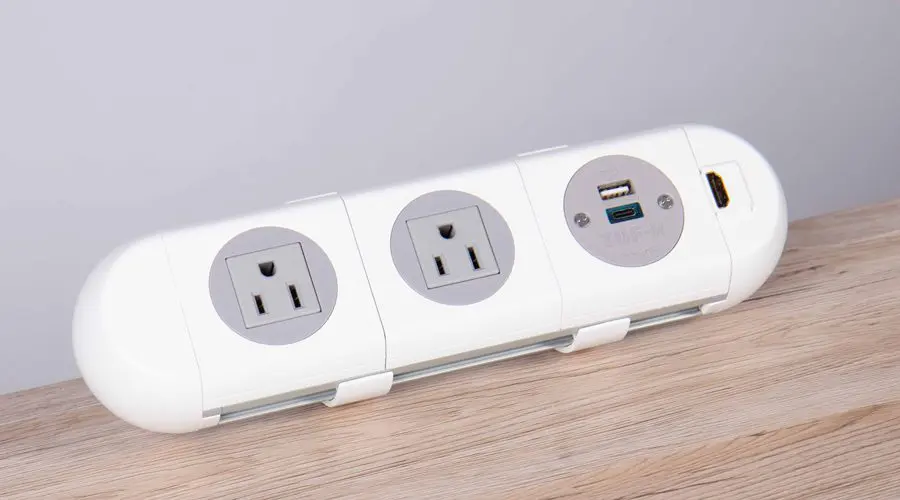
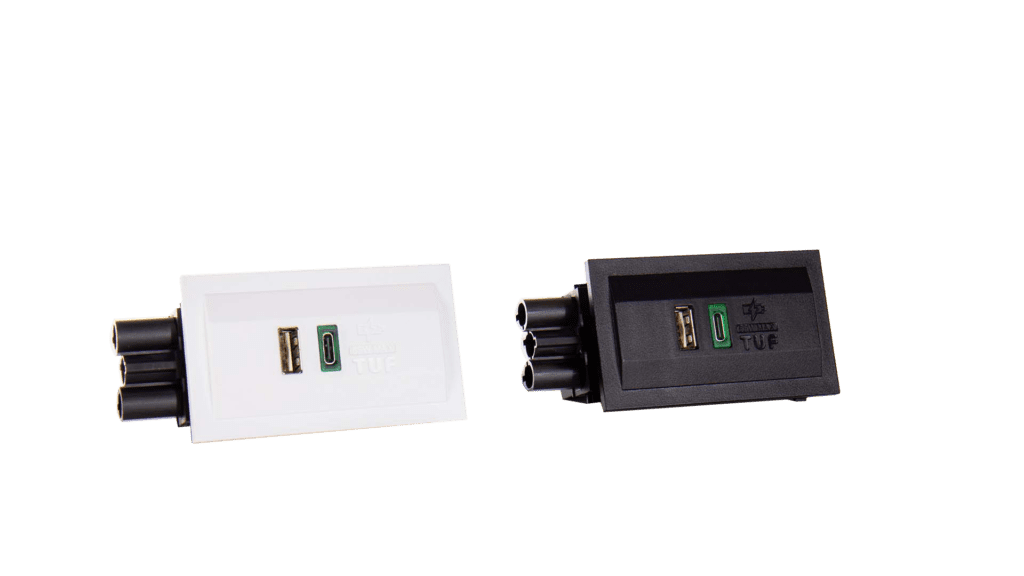
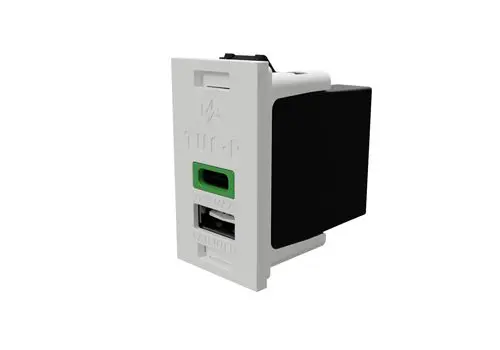
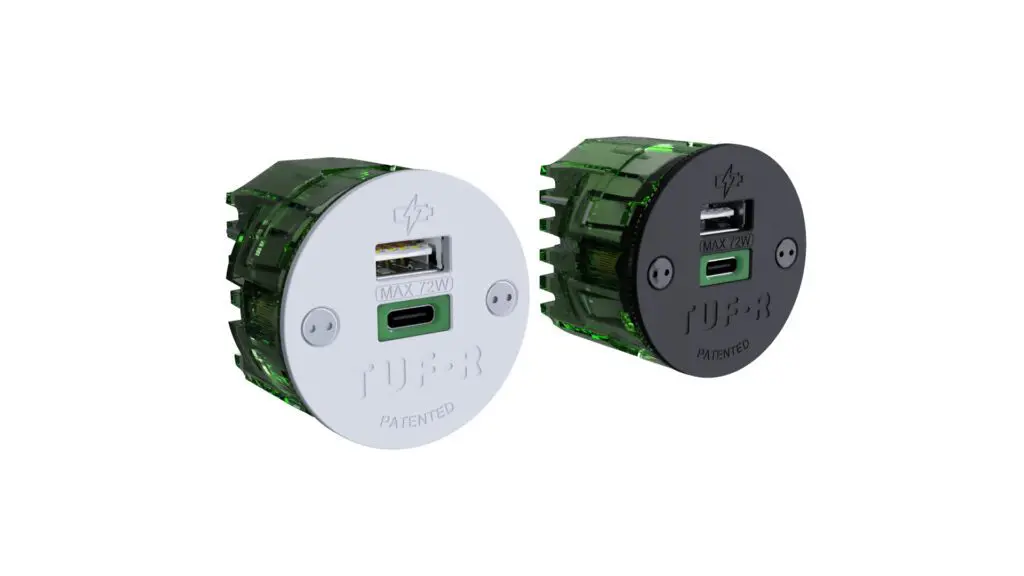
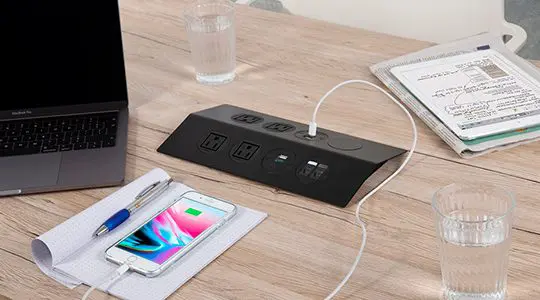
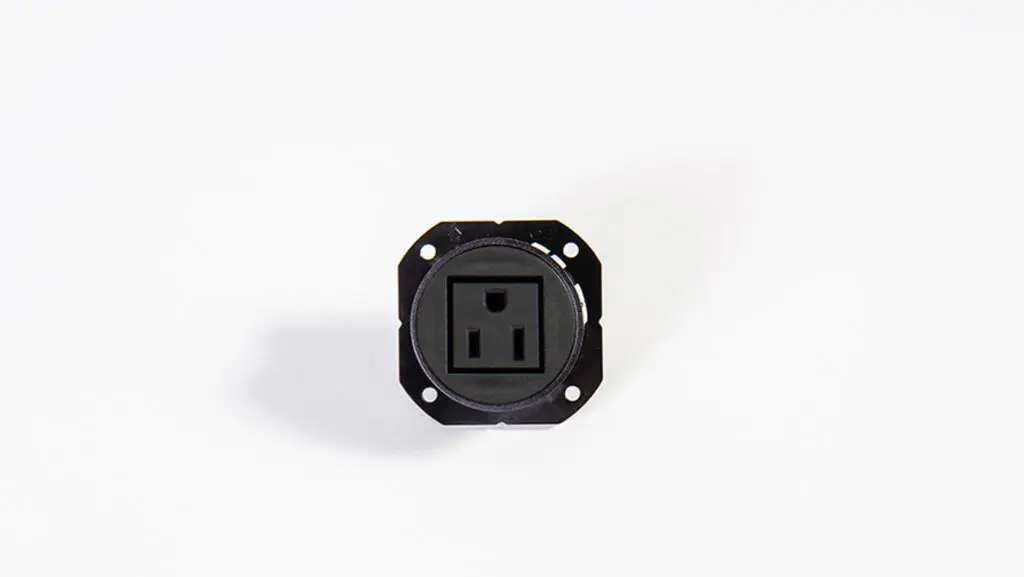
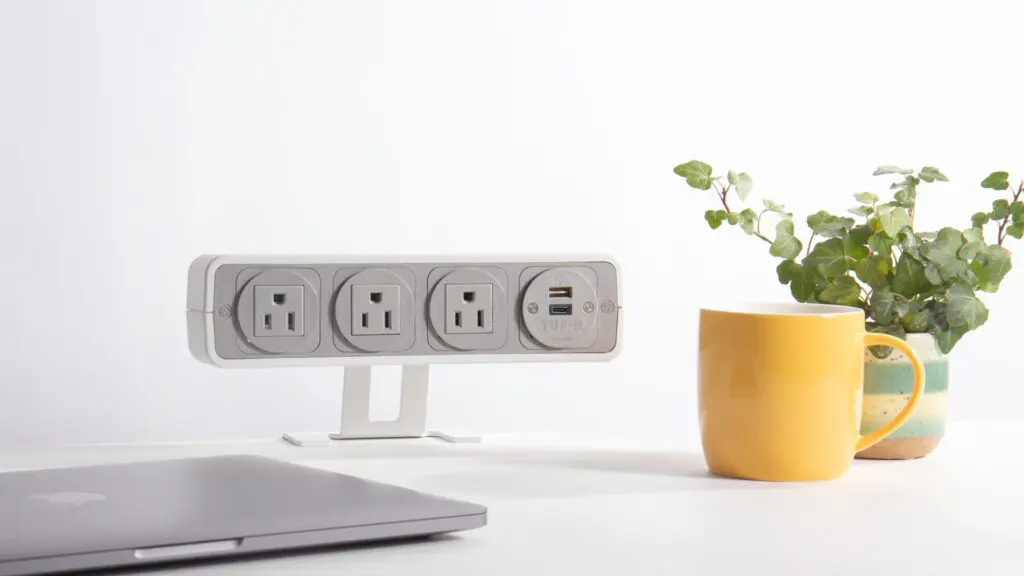
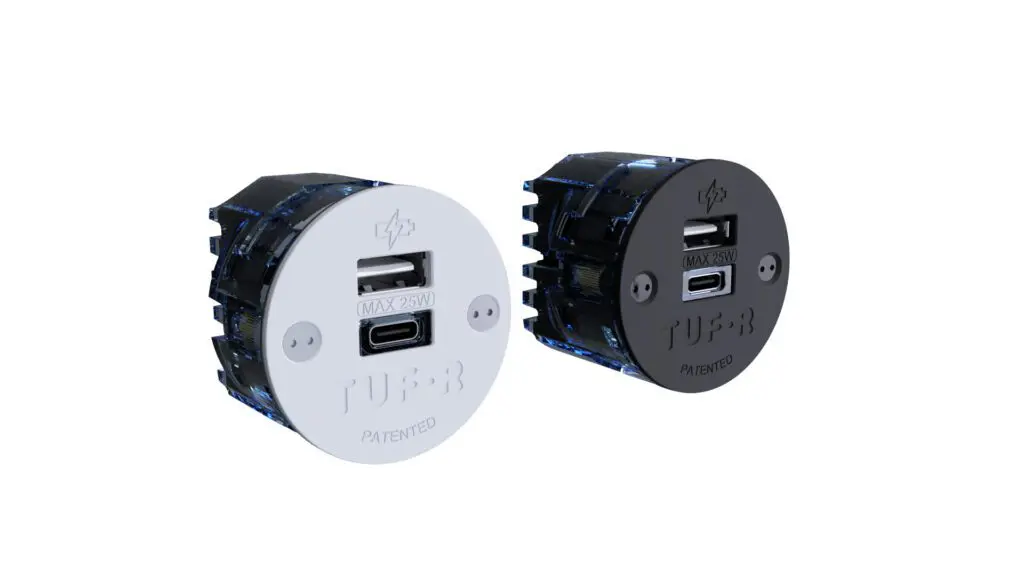
Include modern USB-C alongside AC outlets
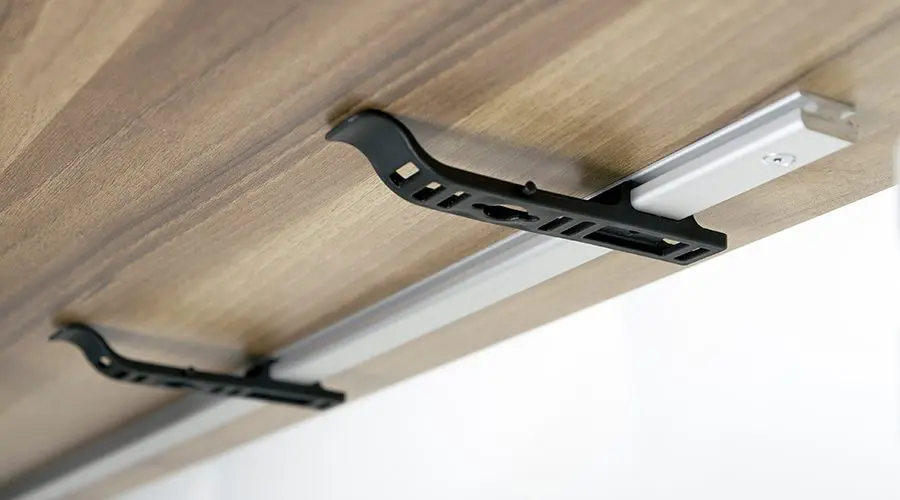
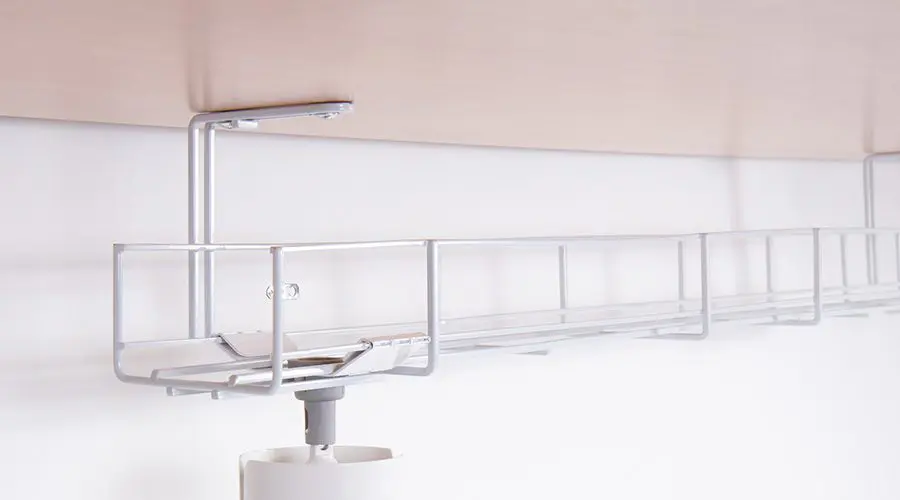
Keep cable management safe and tidy
When you do this, you remove unnecessary mental drain from workers so they can keep more spoons throughout their day.
6) Design with human biology in mind, not just aesthetics
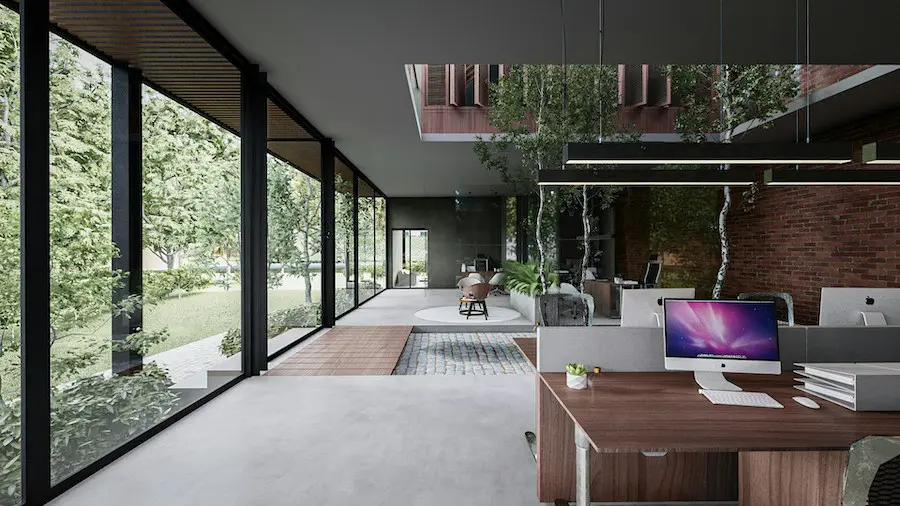
We are not brains in jars. (Though some meetings do test this theory.)
According to officeprinciples.com: “Studies have shown that employees working in environments with natural features report higher levels of focus and cognitive function. The calming effect of nature can help reduce mental fatigue and increase attention span, leading to more innovative thinking and problem-solving.”
And this may have a particular impact on neurodivergent individuals…
With research finding that nature offers an escape from many of the more stressful aspects of life as an autistic person, which helps to “make the fuzzy go away” for some autistic adults.
Regardless of our unique makeup, all humans respond to:
Natural light
Fresh air
Movement
Greenery
So wherever possible, incorporate these elements into your design to help employees tap into a calm, balanced state.
Even small doses of nature can improve mood and perceived wellbeing, particularly for neurodiverse team members.
We saw this idea on social media recently and thought it was brilliant…
Try incorporating a “reset path” through your space (or outside). This is a quiet, calm, nature-inspired route people can walk to reset their breathing, mentally reboot, and invigorate energy before diving back into focused work.
It just might make the difference between neurodivergent burnout and a refreshed capacity.
The OE mindset: Design like it actually matters
Neuroinclusive design isn’t about ticking boxes. It’s about removing invisible barriers.
Because when a space is too loud, too bright, too confusing, or too restrictive, people don’t always complain.
…They just underperform.
So aim to make spaces that are calm, clear, and controllable.
Then layer in safe, accessible power so people can use those spaces without friction.
Do that, and you won’t just support neurodiverse teams, you’ll unlock better work from everyone.