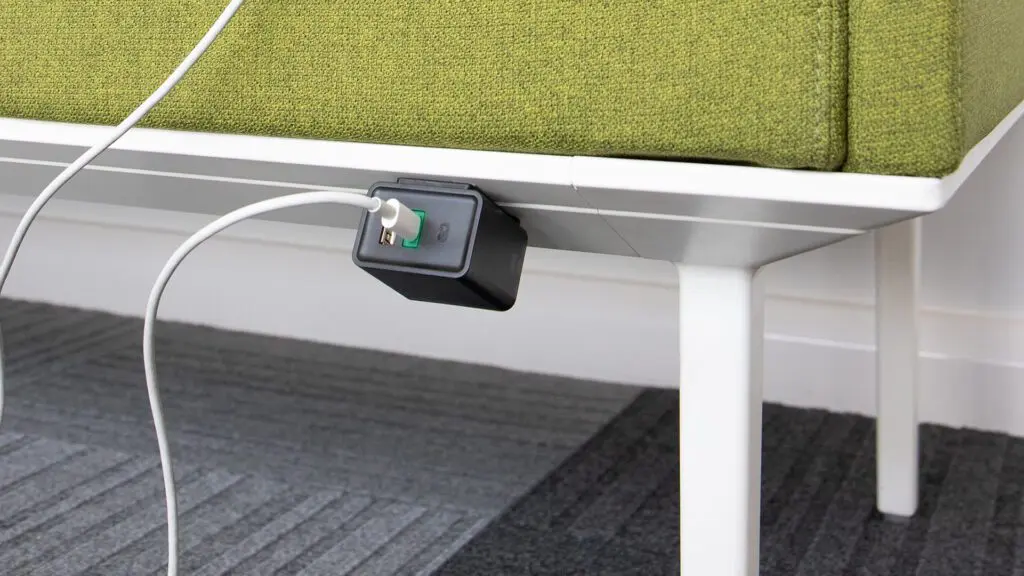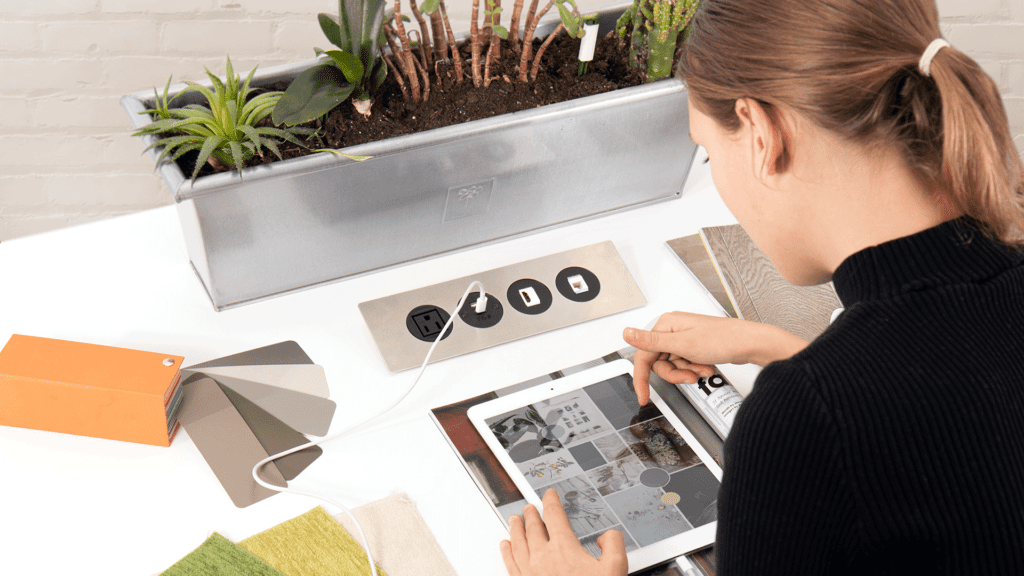
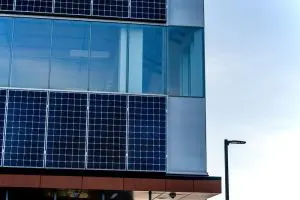
Is this the future of power? All about DC-powered buildings.
The way we’ve powered buildings for the last 100+ years might not be the best fit for the world we’re living in now. Are we on the edge of a shift in how buildings are powered?
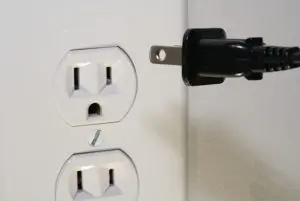
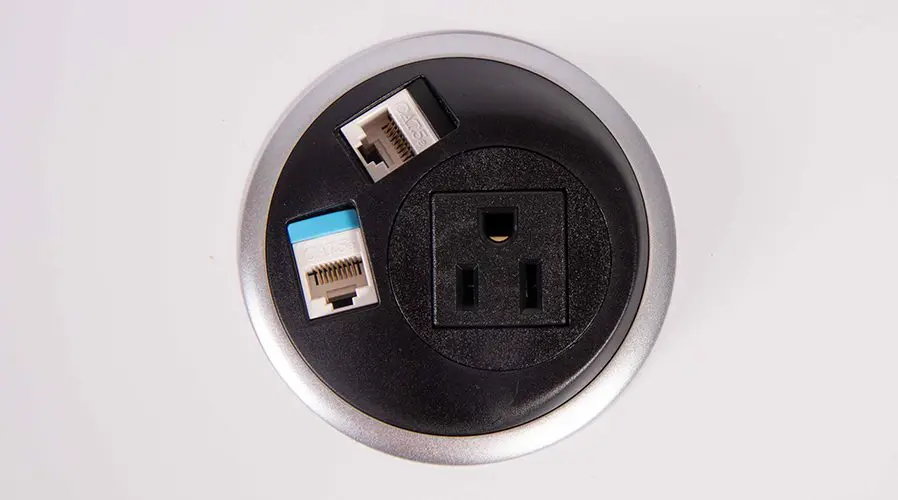
A tale of two products: Which one would you trust?
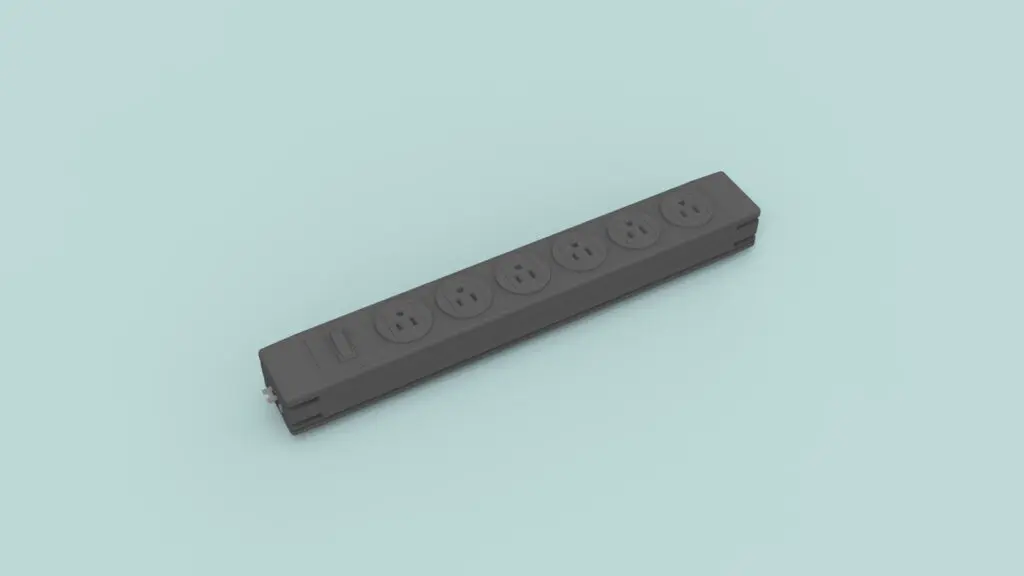
Your wall socket is NOT a bottomless pit of power, although we often treat it like one. Here’s a clear guide on making the most of a single socket without creating chaos.
How many devices can you (safely) plug into a wall outlet?
Your wall socket is NOT a bottomless pit of power, although we often treat it like one. Here’s a clear guide on making the most of a single socket without creating chaos.

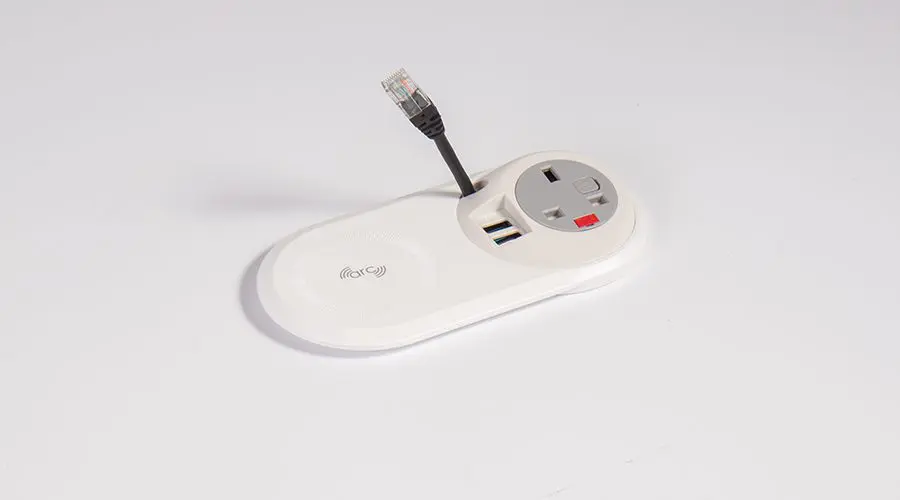
8 things beautiful offices get wrong (and why they fail in practice)
Here are the most common mistakes aesthetics-focused offices make, how those mistakes cause real-world failure, and the simple solutions for spaces that look great AND don’t frustrate the humans working inside them.
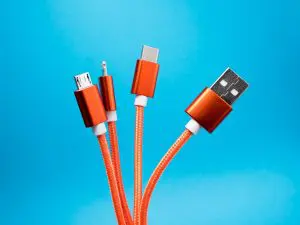
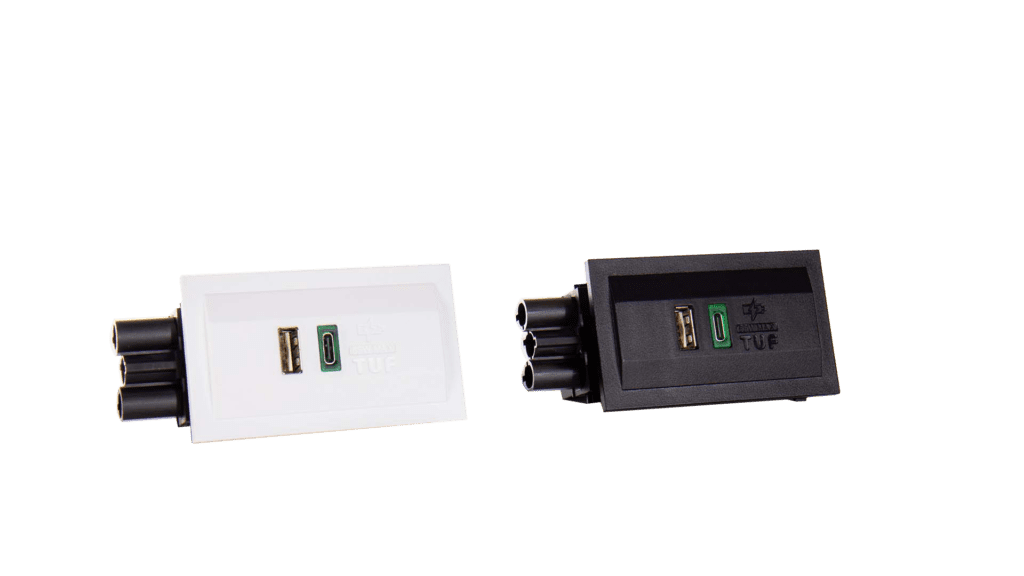
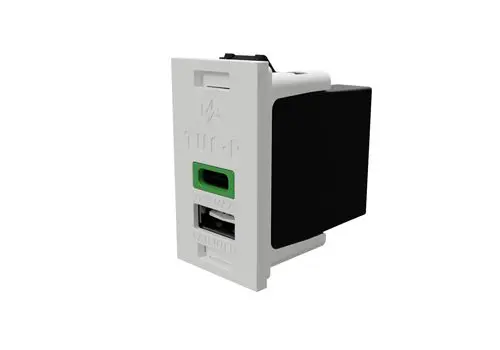
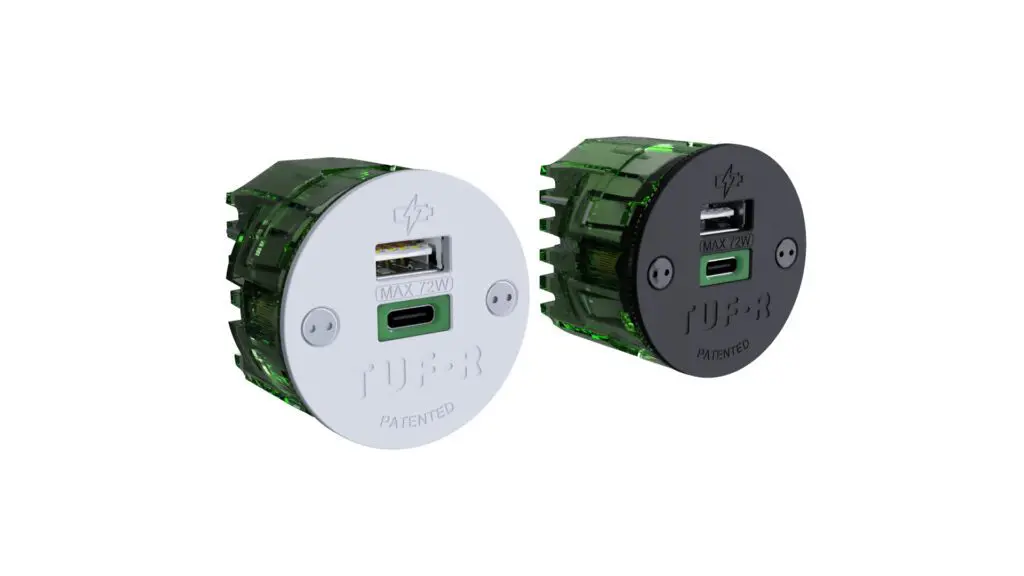
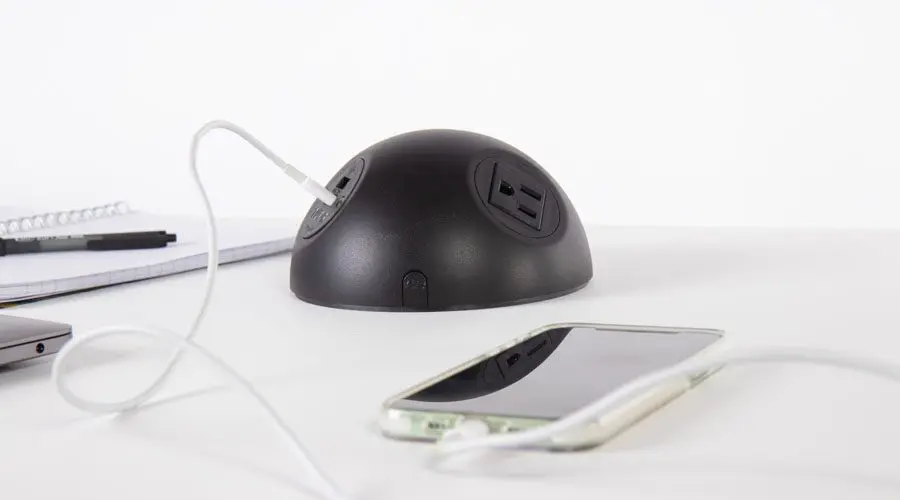
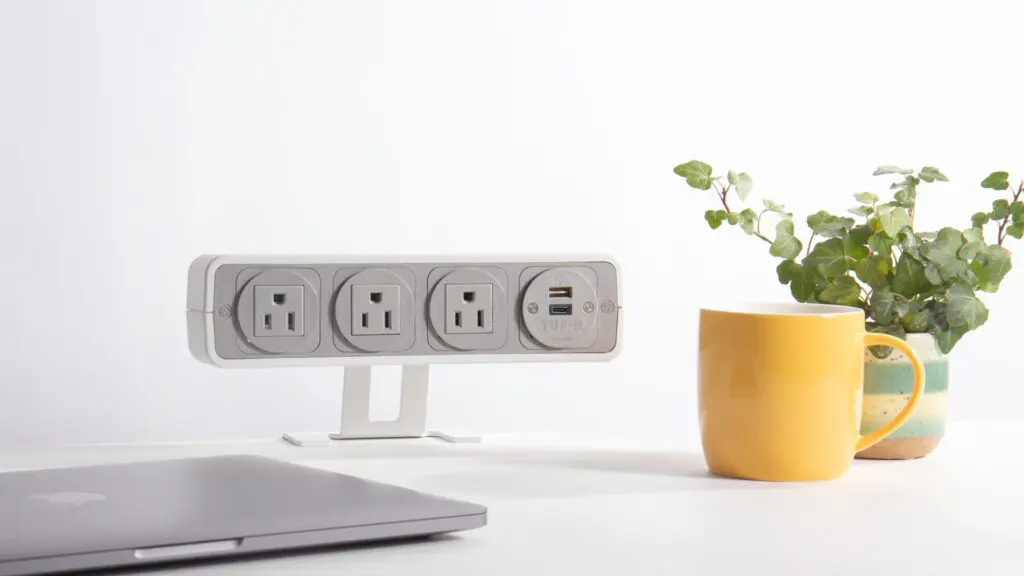
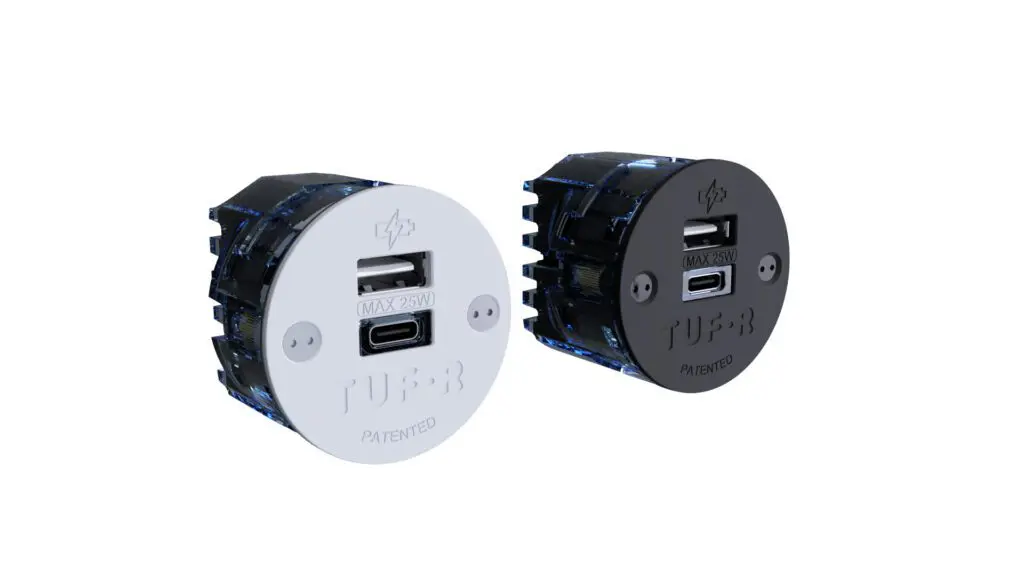
USB-A or USB-C: What should you actually install right now?
USB-A is where we came from. USB-C is where we’re headed. So how do you satisfy all types of users with your charging options today? Here’s our answer to one of the most common questions we’re asked.
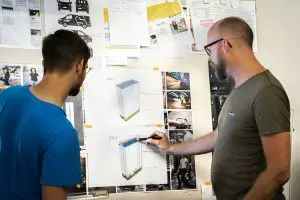
10 products you didn’t know were powered by lithium ion batteries
Let’s take a look at 10 everyday (and not-so-everyday) products powered by lithium-ion batteries in 2026 — some familiar, some surprising, and at least one that might make you say, “Hang on, that uses the same battery tech as what?”