Walk down any aisle, scroll any website, or skim any spec sheet and you’ll see the same thing everywhere:
Products confidently announcing they’re “green,” “eco-friendly,” or “sustainable.”
…Sometimes all three at once.
Often on a product page that looks like a forest nymph designed it during a mindfulness retreat. 🙃
The issue isn’t that sustainability is having a moment. That part’s genuinely good news!
The issue is that marketing learned the language far faster than manufacturing changed its behavior.
So we’re left with a modern buying problem:
How do you tell the difference between a product that actually does the right thing, and one that just sounds like it does?
Because here’s the uncomfortable truth:
From the outside, genuinely sustainable products and expertly greenwashed ones can look almost identical.
Same category.
Same claims.
Same reassuring shade of green.

So instead of talking in theory, let’s make this real.
Let’s compare two products.
One is real. One is fictional. Both claim to be “better for the planet.”
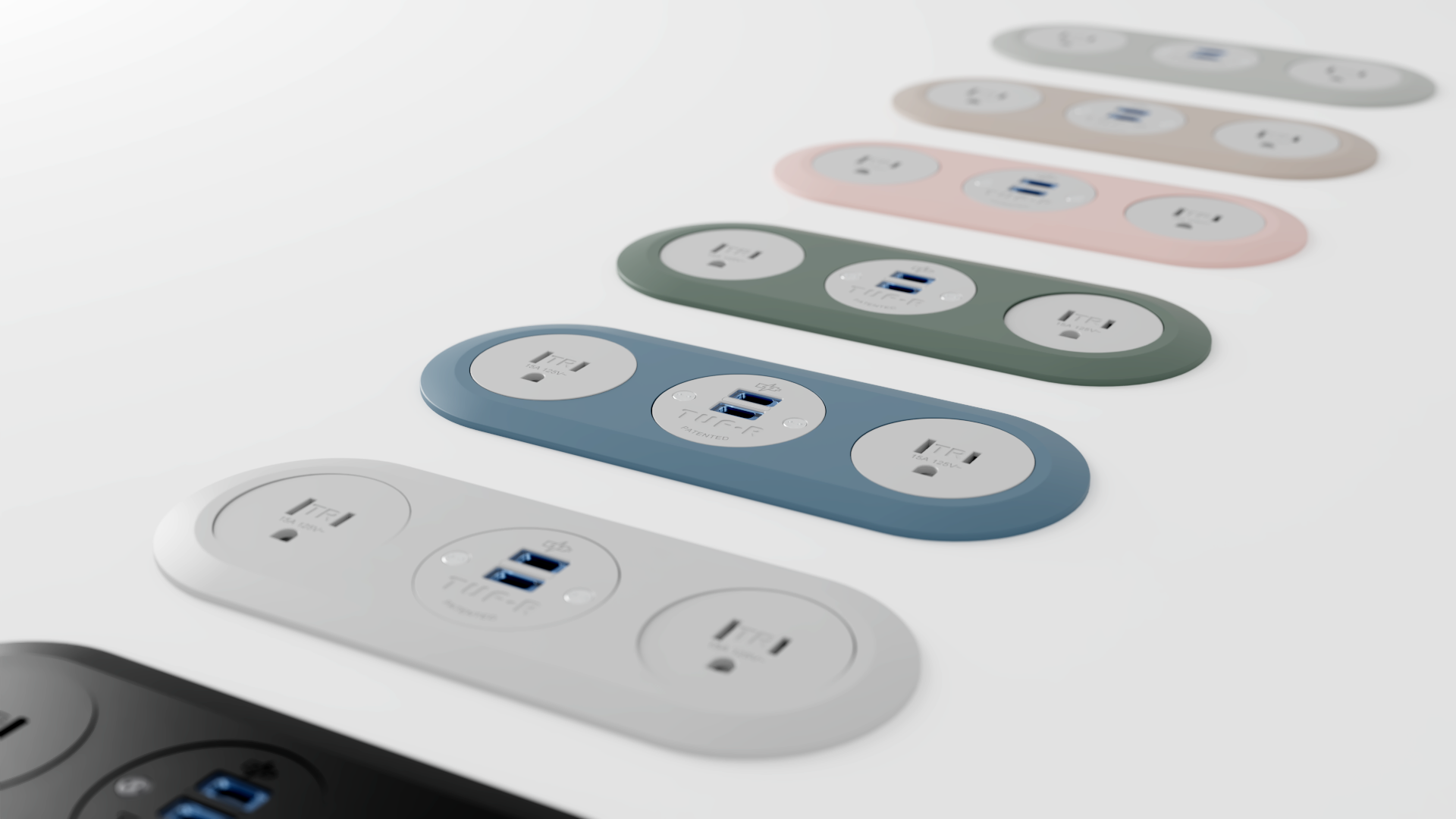
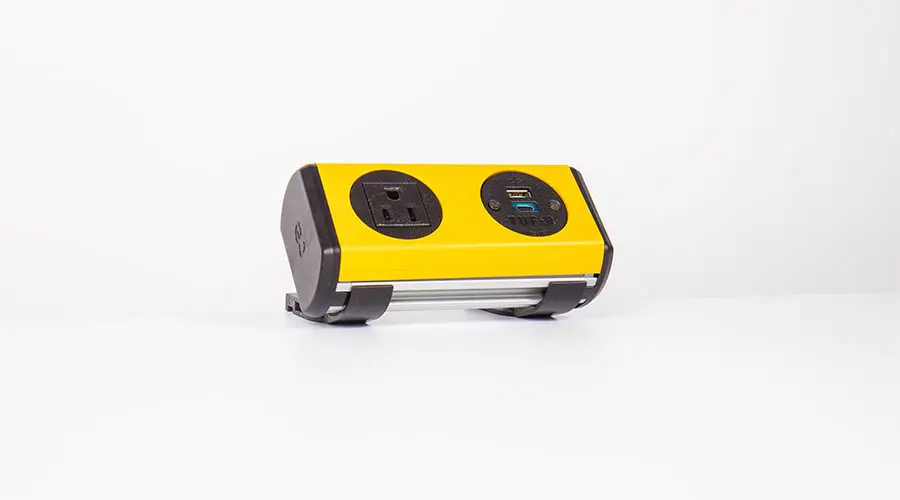
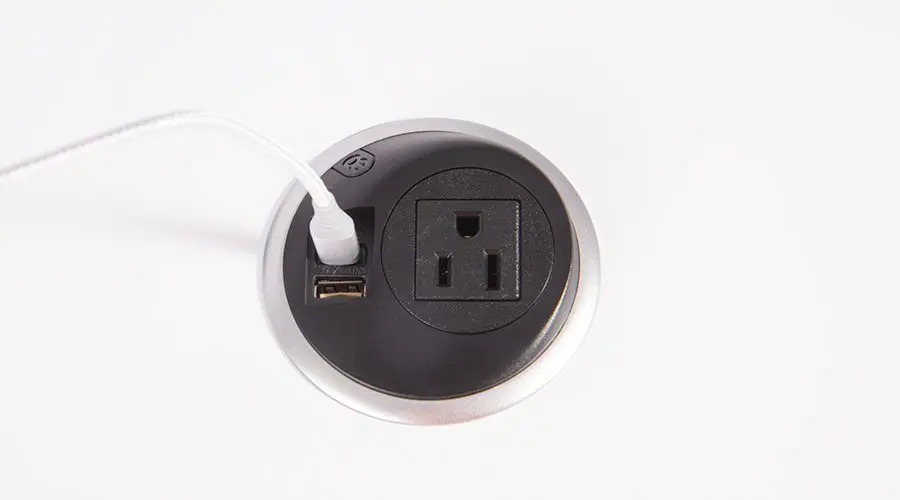
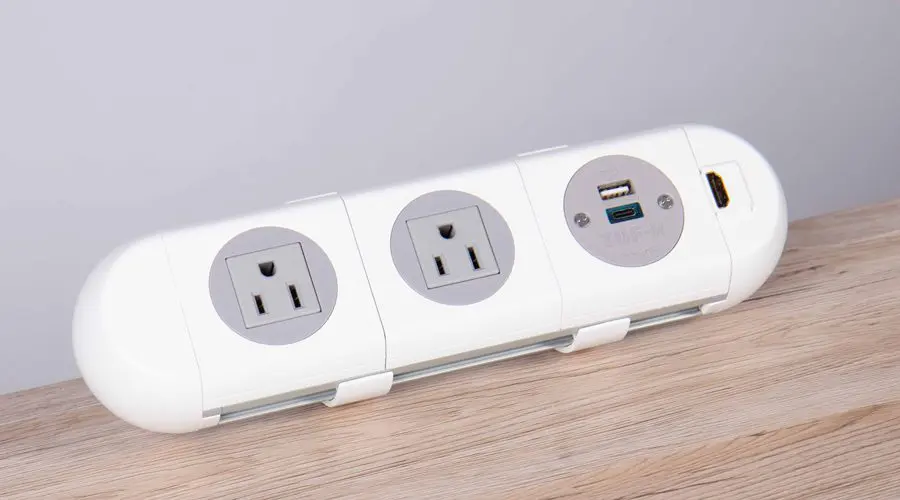
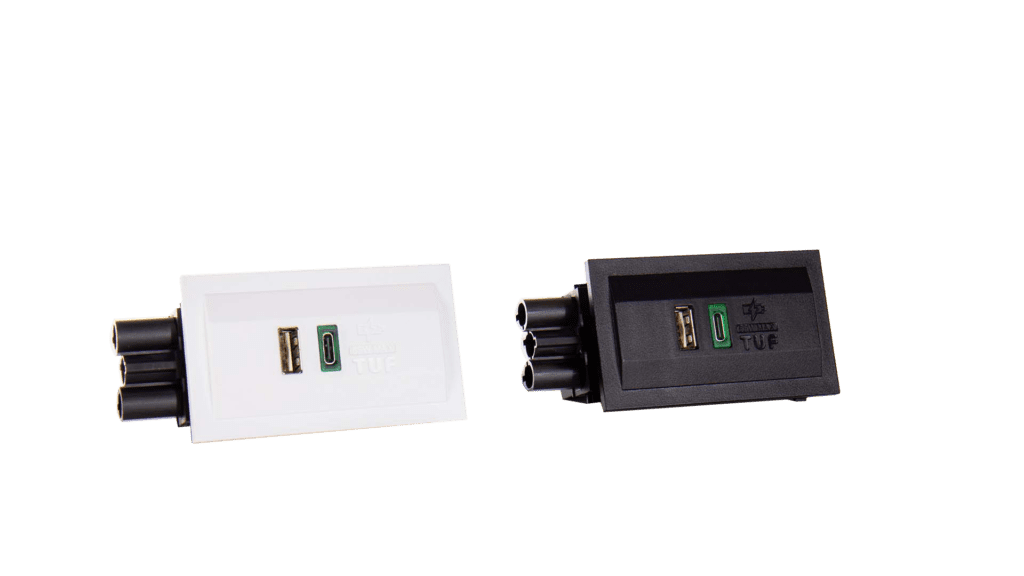
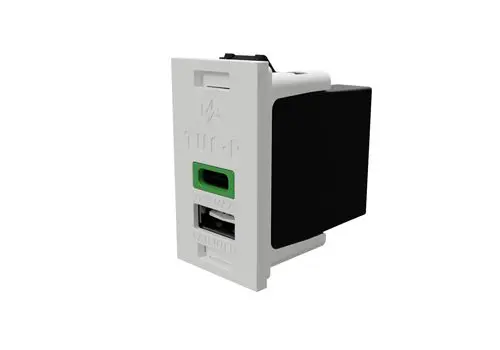
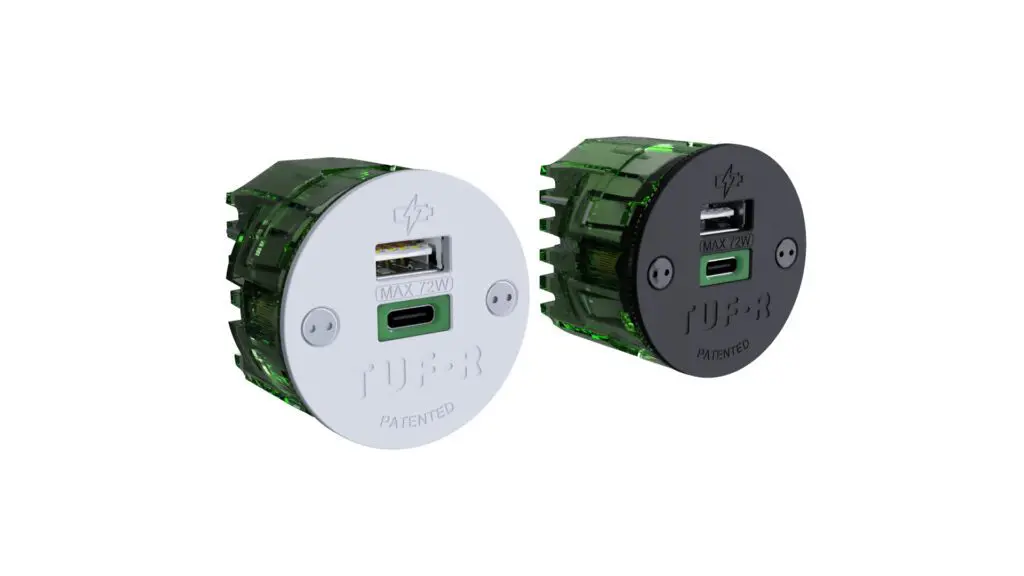
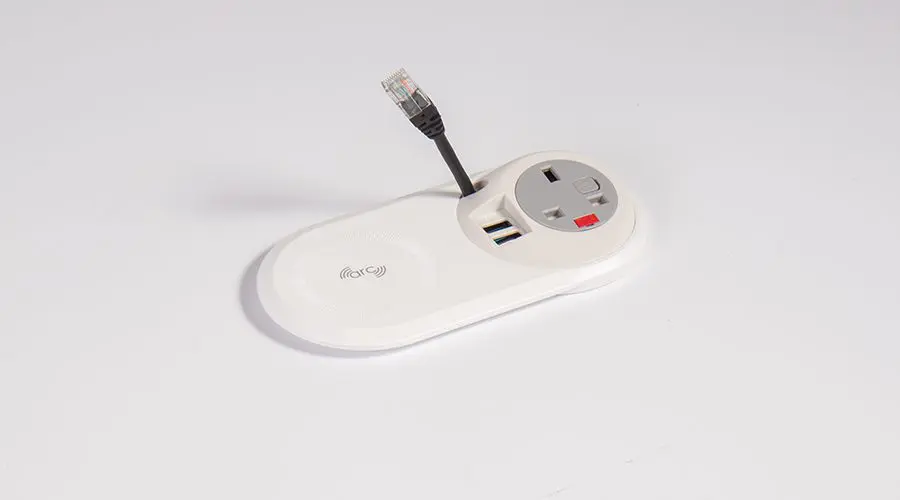
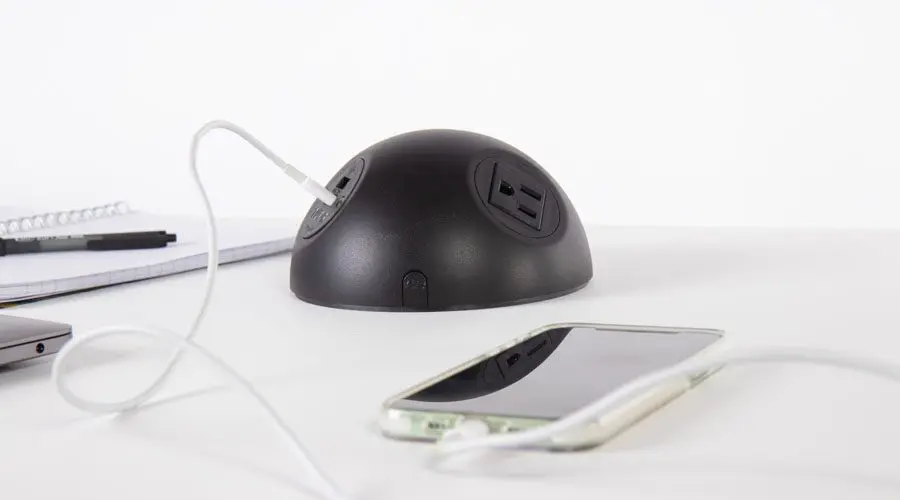
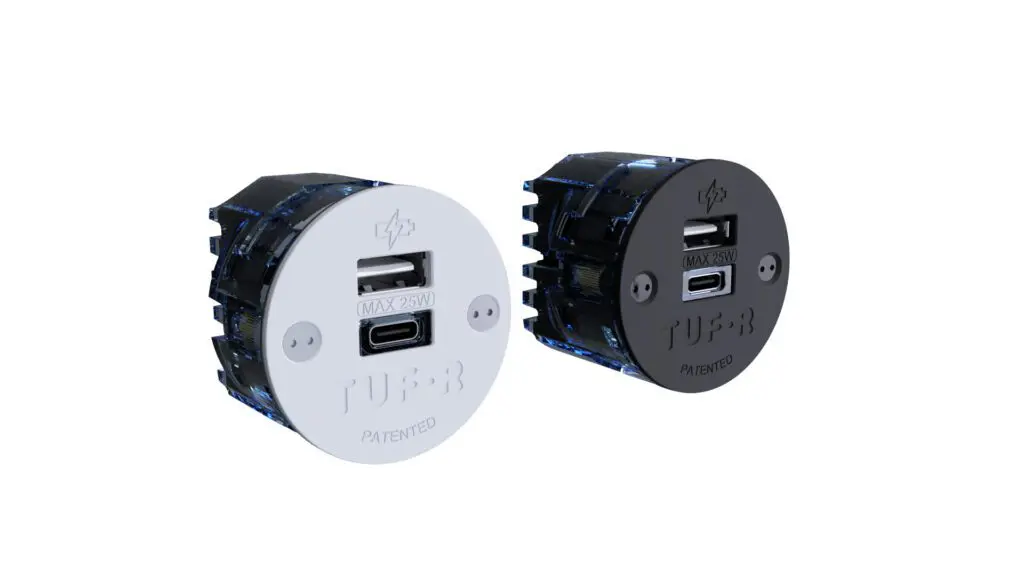
First, meet Pip, a real OE product.
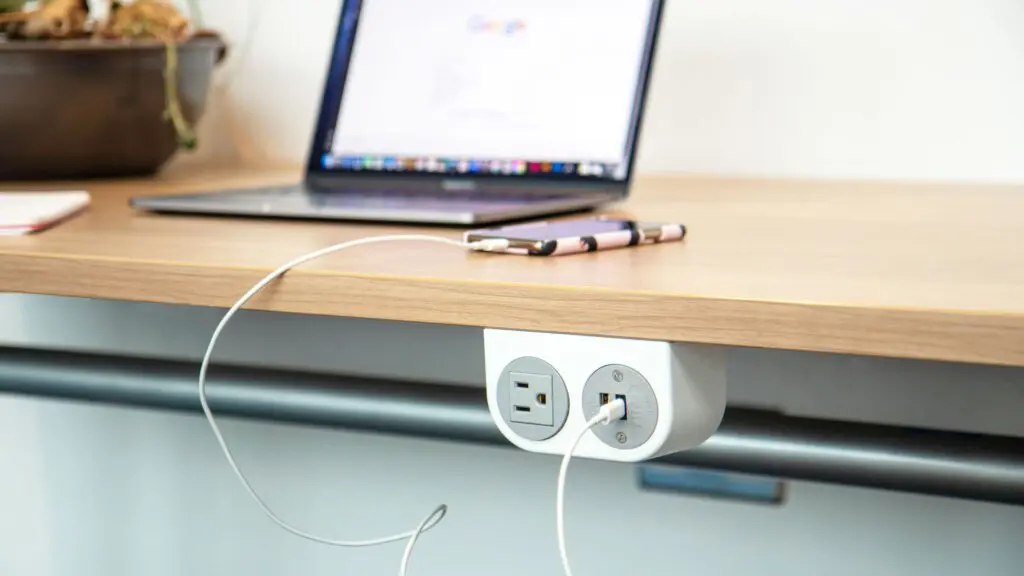
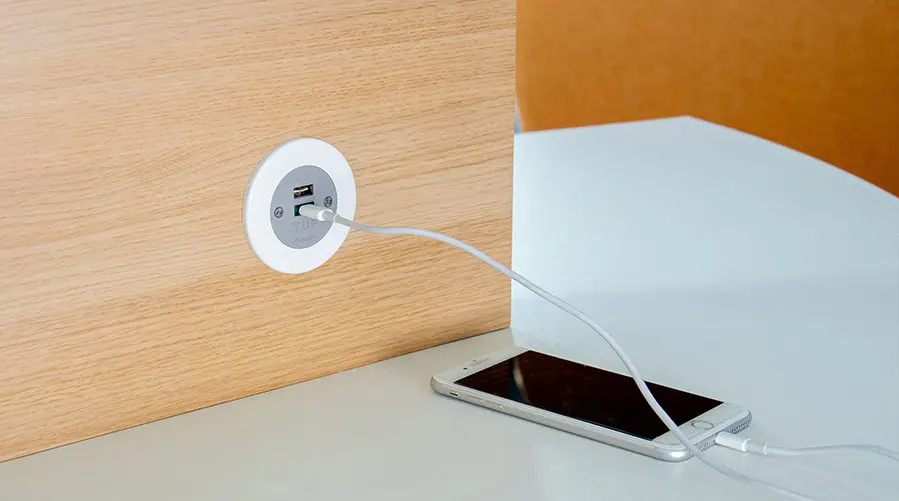
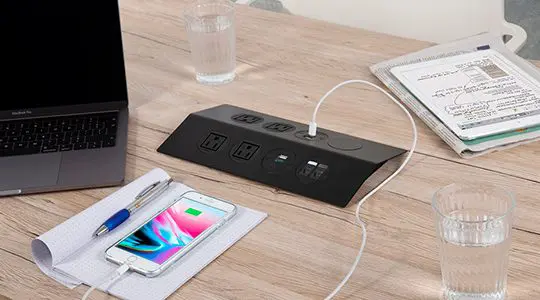
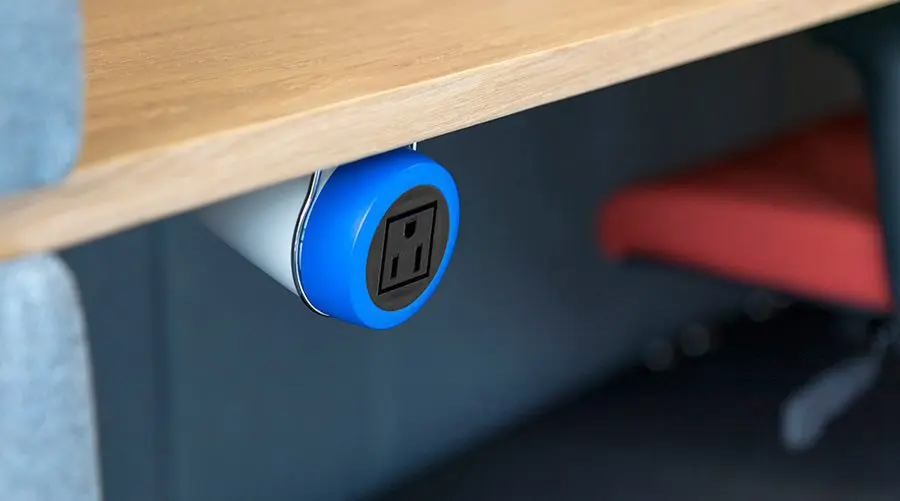
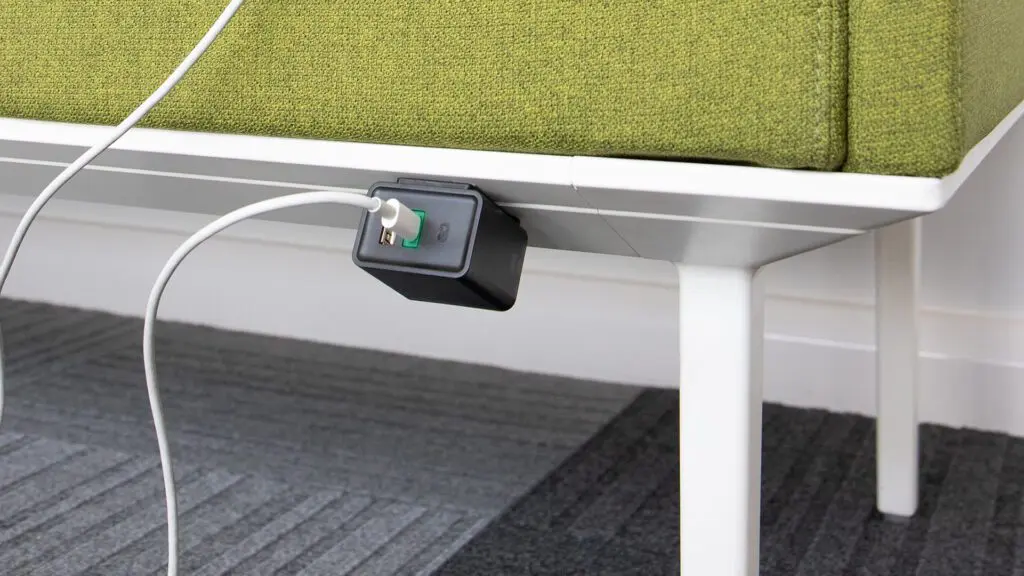
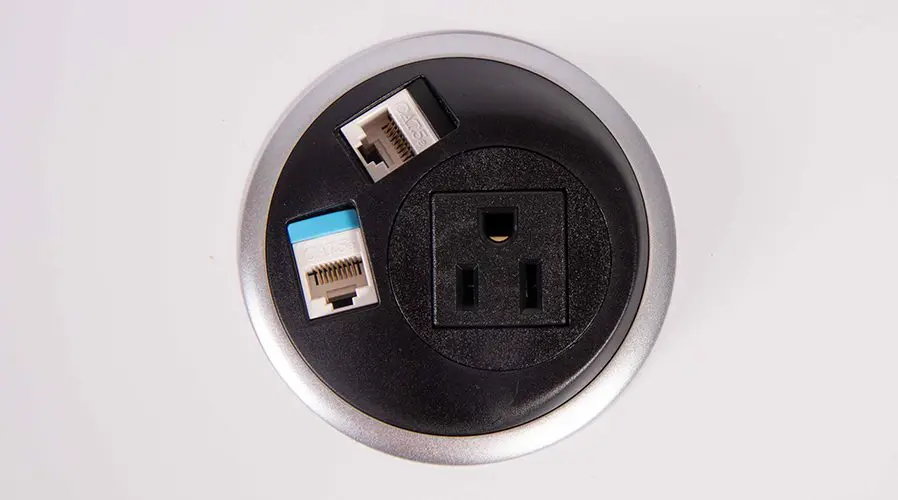
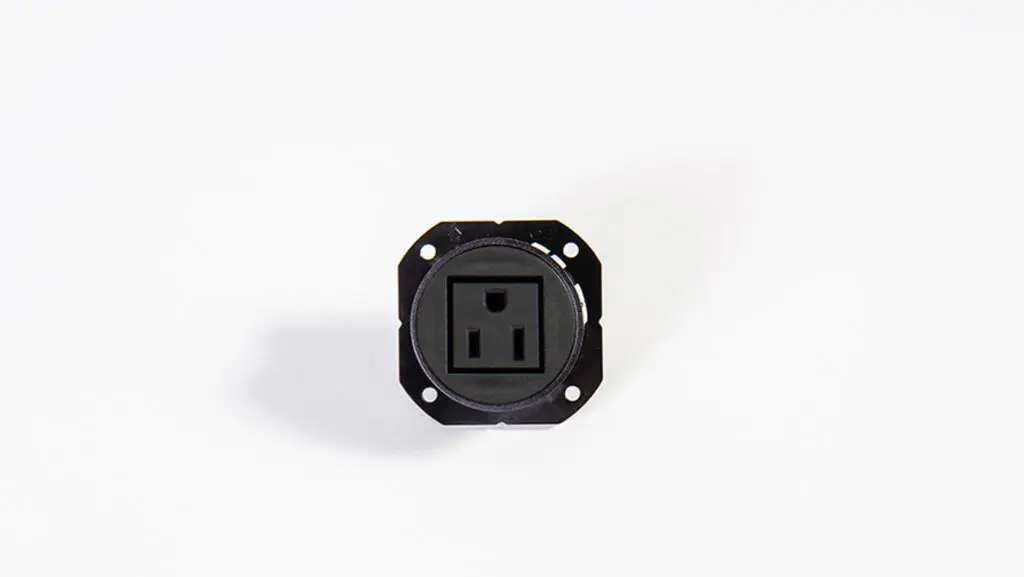
A compact charging unit designed with modular, replaceable USB ports, and recycled content.
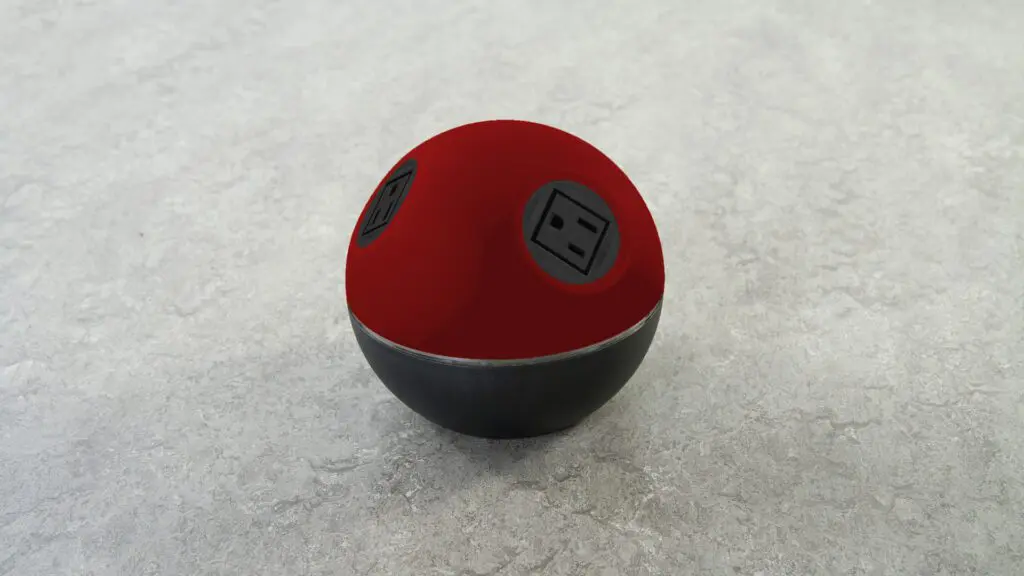
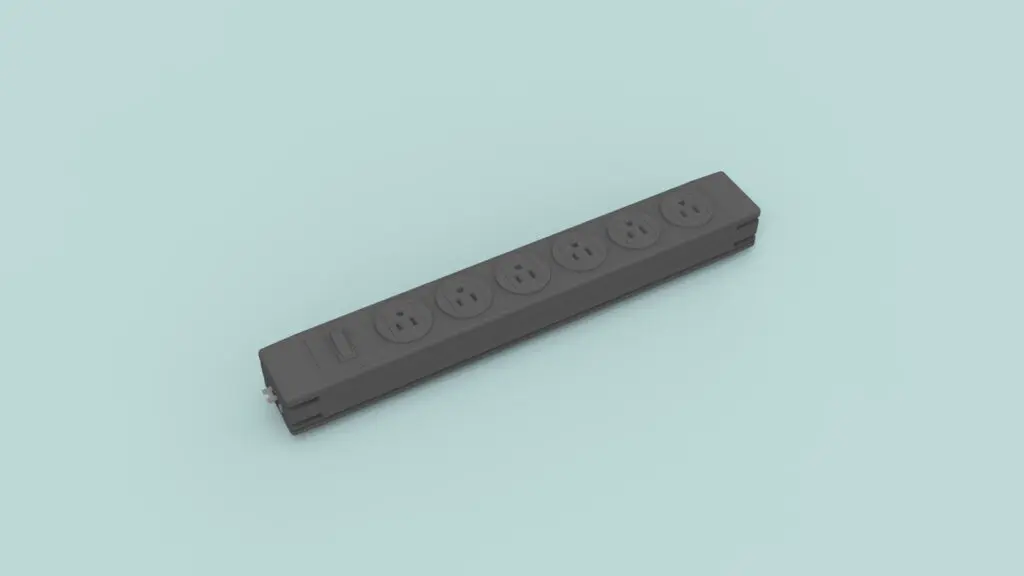
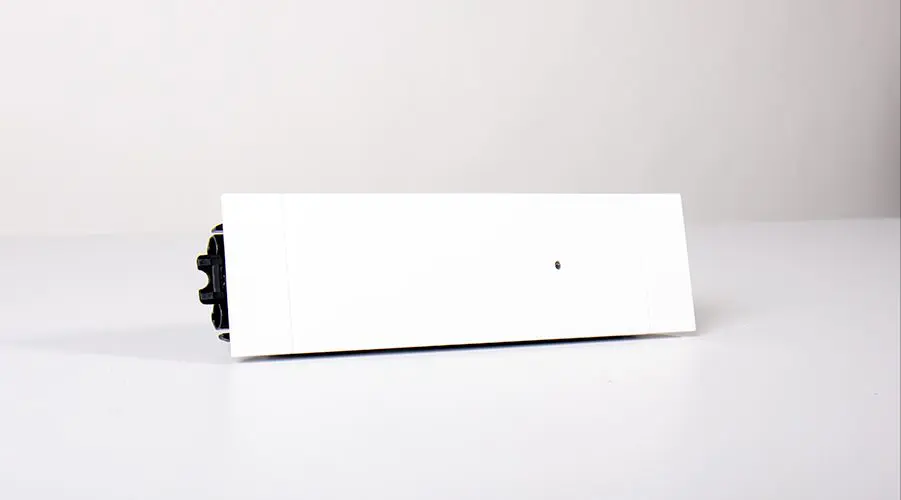
Now meet Shnip, made by the completely fictional company Faux-E.
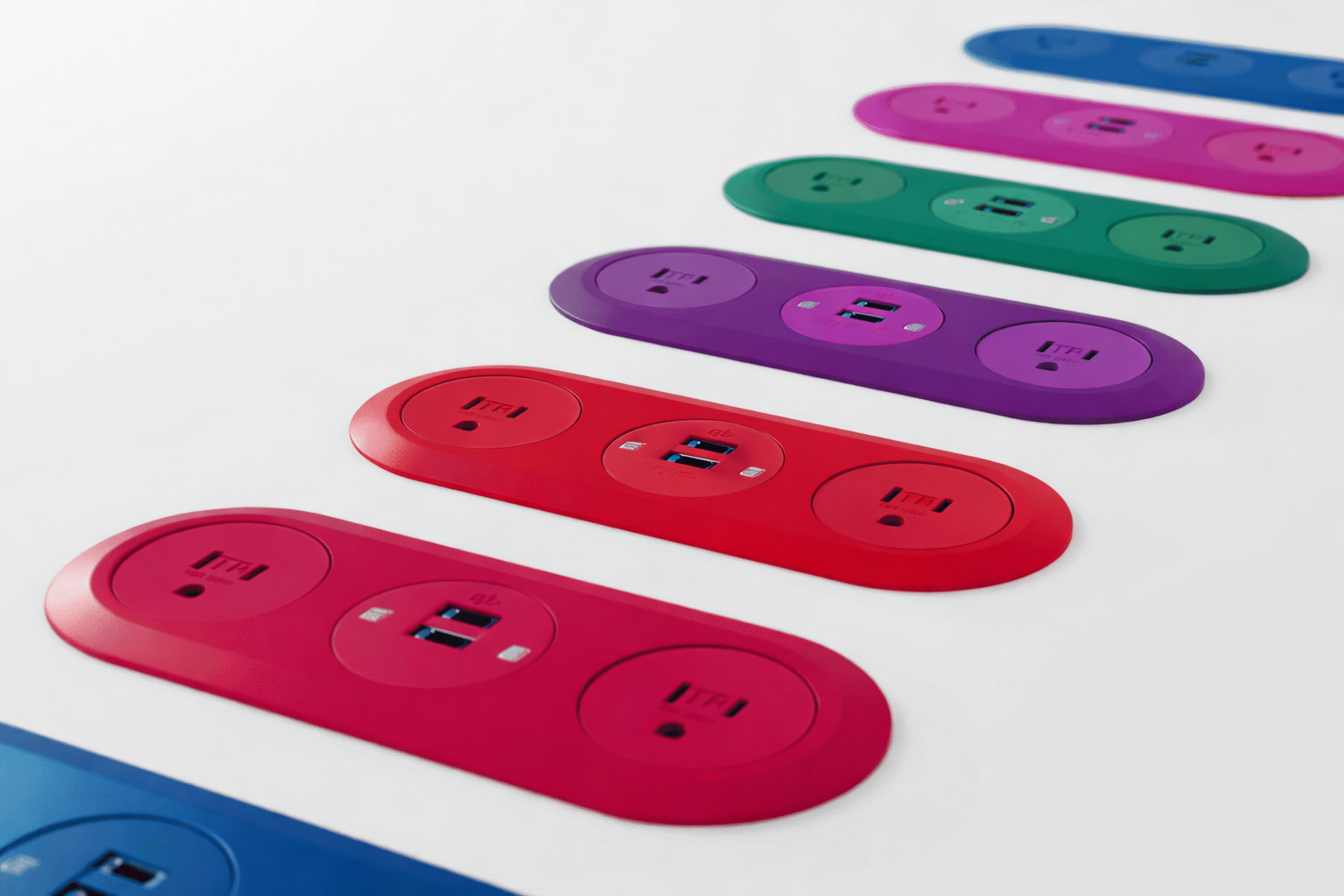
Shnip looks very similar at first glance. Same use case. Same sleek presentation. Same comforting sustainability language.
But dig a little deeper and things start to diverge.
Instead of asking, “Is this product sustainable?” let’s do something more useful:
Let’s put these two products to the test.
And see how Pip and Shnip behave in the real world, to learn the signs of real-deal sustainability (the green flags) and marketing fluff (the red ones).
🚩 Red flag #1: They speak fluently but say very little
Vague sustainability language is the corporate equivalent of someone saying they’re “really into health” without specifying whether that means running marathons or buying kale once, two years ago.
According to the European Commission, 59% of environmental claims reviewed were vague and did not provide a qualification or other evidence to support its claim in an easily accessible way.
More than half. Yikes. 😳
So make sure you’re looking for tangible truth out there.
If you can’t find numbers, timelines, or specifics within a couple of clicks, that’s not transparency. That’s fog.
How this shows up in real life
Pip is quite straightforward about what it’s doing. Modular USB chargers mean individual components can be replaced instead of scrapping the whole unit. 60% post-consumer recycled materials are defined, not implied. The product’s carbon footprint is broken down plainly.
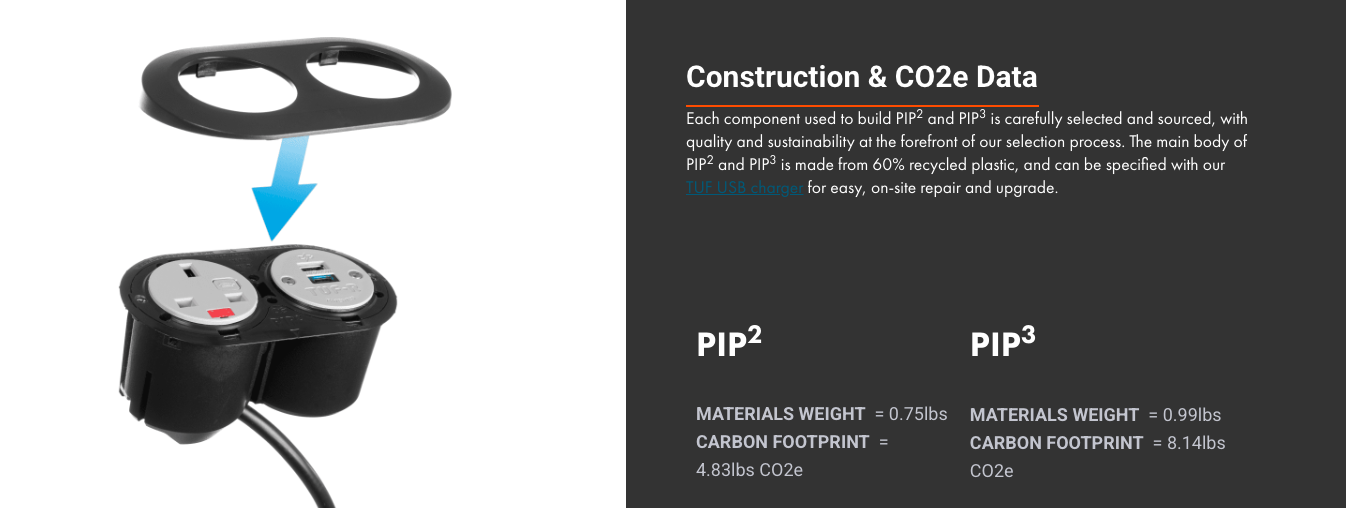
Shnip, meanwhile, will tell you that it’s “planet-forward” and “consciously designed.” But there’s no mention of materials, lifespan, or what happens when a USB port fails to prove those claims.
This lack of tangible detail is a red flag that the product might not be as green as they seem.
🚩 Red flag #2: They talk about the good bits…and only the good bits
If someone never mentions a flaw, challenge, or obstacle, that’s worth paying attention to.
Real sustainability is messy. It involves trade-offs. Materials have limits. Electronics age. Ports wear out. And it’s dishonest not to acknowldge that.
We’re more willing to trust someone who says “I eat well 80% of the time”…rather than someone claiming to cook every single meal from scratch using entirely organic ingredients.
If a product sounds too good to be true, it usually is.
How this shows up in real life
OE will tell you that 98% of its packaging is plastic-free, using recycled card and paper. (This is the fun bit to talk about.)
…And we also address that last 2%. We’re open about why it exists, that it’s intentionally retained where removal would increase waste.
Whereas Faux-E thrives on absolutes. They boast that their packaging is plastic-free…with an asterisk leading to fine print giving all the loopholes beneath the claim.
Being unwilling to address the imperfect bits is a warning sign that something less pristine may be under the surface.
🚩 Red flag #3: They discovered their eco passion recently, and very loudly

There’s nothing wrong with improving and changing over time. In fact, it’s pretty awesome.
However, there is something suspicious about a person who crafted their whole personality around crossfit…when they only took their first class last week.
And in a similar vein, about companies that appear deeply committed to sustainability immediately after discovering how well it converts.
Consistency is hard to fake. History leaves fingerprints.
How this shows up in real life
Shnip’s sustainability claims only showed up after their latest rebrand last year.
Whereas Pip’s sustainability story grew out of long-standing engineering decisions.
As a company, OE began seriously tracking environmental impact in 2017, and was designing for reuse and modularity since the early 2000s.
When values only appear once they’re profitable, or in the very recent past, skepticism is healthy.
What trust actually looks like in product form
Now let’s flip things around and see what trustworthy behavior looks like. The green flags, if you will…
Green flag #1: They show their work
Trustworthy people don’t just tell you they’re responsible. They explain how, even when the explanation isn’t glamorous.
They’re specific. They’re measurable. They’re probably slightly boring, which is usually a good sign.
How this shows up in real life
Pip will tell you that it’s made with over 60% post-consumer recycled content. It’ll give you the exact carbon footprint of Pip3 (8.14lbs CO2e).
And OE publishes the numbers in our ESG report precisely so people can verify them.
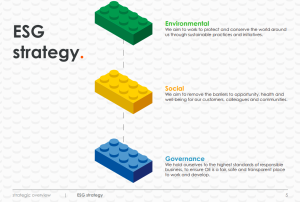
When we say that we recycled:
- 20 tons of cardboard
- 12 tons of plastic
- 6 tons of metal
- 3.5 tons of wire…
Or that only 4% of operational waste went to landfill…
You can fact-check us to know for sure whether we’re being truthful.
Whereas Shnip prefers to be a bit more…imaginative. On the product page, you’ll hear them say they are:
“Removing excess plastic from the manufacturing process wherever possible.”
“Continually reducing our operational waste.”
“Refining material compositions year-on-year towards our goal of carbon-neutrality.”
Faux-E doesn’t share any clear numbers. But they DO share their photos from their “green day” party at work, where they hired the actual band Green Day to play a concert surrounded by green balloons and lightsticks. And it got quite a lot of shares on social media.
But the truth is, comforting phrases and splashy events can often be used as distractions from addressing actual impact. So always look for the tangible details to back up the claims.
Green flag #2: They admit where they’re still figuring things out
This is where trust actually forms.
No product is perfect. Honest ones acknowledge that. And it’s actually a GOOD sign when they admit their shortcomings.
How this shows up in real life
OE doesn’t pretend to have overcome every sustainability hurdle.

In our sustainability podcast, for example, you’ll hear about the complications in supply chain issues. And how we’re doing our very best to make ethical decisions, but there’s still a long way to go until this problem is “solved”.
Shnip offers no such nuance. It seems to exists in a frictionless universe where everything is already resolved and no compromises were ever made. 🤷♀️
Perfection is impressive in theory. But in practice, it’s unbelievable.
Green flag #3: They behave the same when no one’s watching
This is a big one…
Anyone can say the right thing during your first conversation. The real test is whether those values show up in the unflashy decisions, too.
Things like:
- design choices
- longevity
- repairability
- human capita
- company-wide initiatives
can tell you more about true character than a single conversation on a sustainability page.
How this shows up in real life
You won’t just see sustainability fingerprints on one product, Pip…
You’ll see it across the whole OE business.
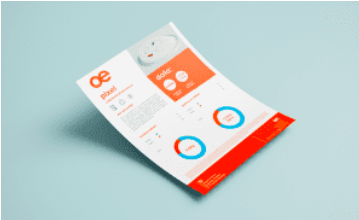
Like how you can grab a carbon datasheet for any of our products.
Or how our company HQ, OE House, uses 23% solar power on-site, and the remaining electricity comes from 100% renewable sources.
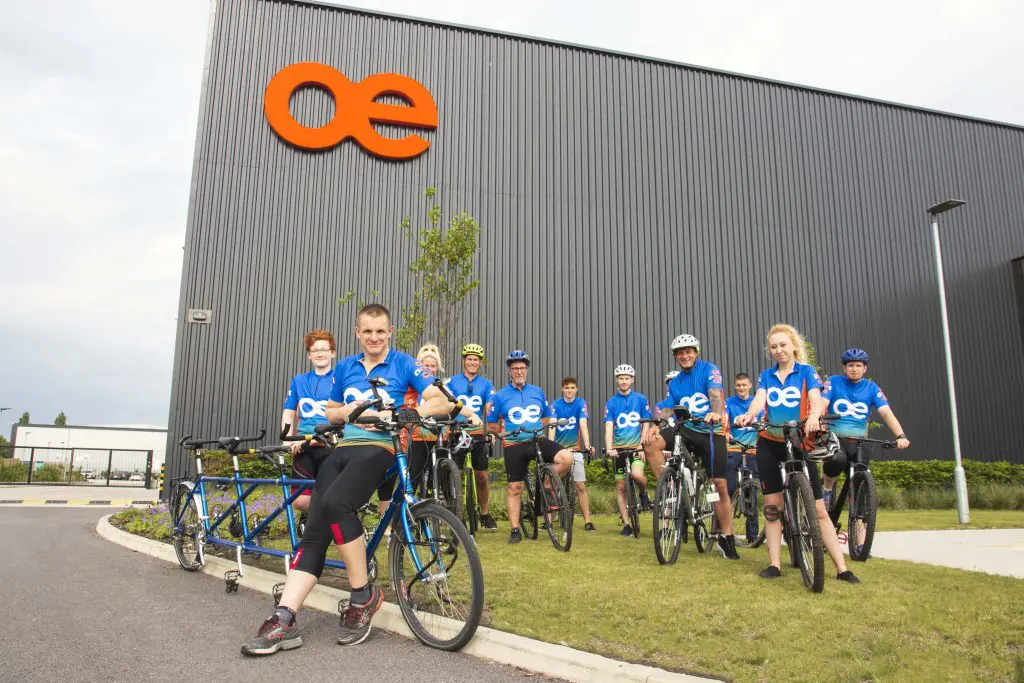
Or how we support a bike-to-work scheme for employees.
Not loud or showy, necessarily. But every proof point stacks to create a full picture of authenticity across the board.
Shnip’s sustainability seems to stop at the marketing boundary.
No talk of applying the ideas to any other area of the Faux-E business, and no broader sustainability conversation happening outside of social media.
Like all of these flags, a limited sustainability conversation isn’t proof in and of itself. But it should make one stop and question.
Don’t take our word for it (seriously)
Here’s the part where Shnip’s marketing copy would tell you to relax, trust us, and add to cart.
We’d rather not do that.
You could buy Pip because we say it’s a greener choice. Plenty of companies would be thrilled if you stopped thinking right there. But that’s exactly how greenwashing keeps working.
Instead, we’d rather you fact-check us.
Read the product specs.
Compare lifespan and repairability.
Read Pip’s carbon datasheet. (Most companies avoid carbon disclosure because it invites scrutiny; OE invites it anyway.)
Ask questions if you don’t understand something, or think we can do better.
Sustainability isn’t a badge you earn once. It’s a process you keep showing your work on.
Buy from us because you’ve done the homework and like the answers. Not because we distracted you with some words or branding that feel virtuous.
A tale of two products, and a decision that actually matters
Shnip isn’t evil. It’s just…convincing.
It says the right things.
It looks the part.
And it relies on the fact that most people don’t have the time (or energy) to dig deeper.
Pip, on the other hand, doesn’t try to win you over with vibes.
It shows you how it’s built.
It explains where it falls short.
It publishes numbers you can check.
And it behaves the same way whether someone’s watching or not.
That’s the real difference between a genuinely sustainable product and a greenwashed one.
Not the claims, the branding, or the copywriting.
The behavior.
So next time you’re choosing between two products that both promise to be “better for the planet,” don’t ask which one sounds greener.
Ask which one would still make the same decisions if sustainability stopped trending tomorrow.
And if a product ever starts changing the subject when you ask how it really works?
Well…you’ve just met Shnip.