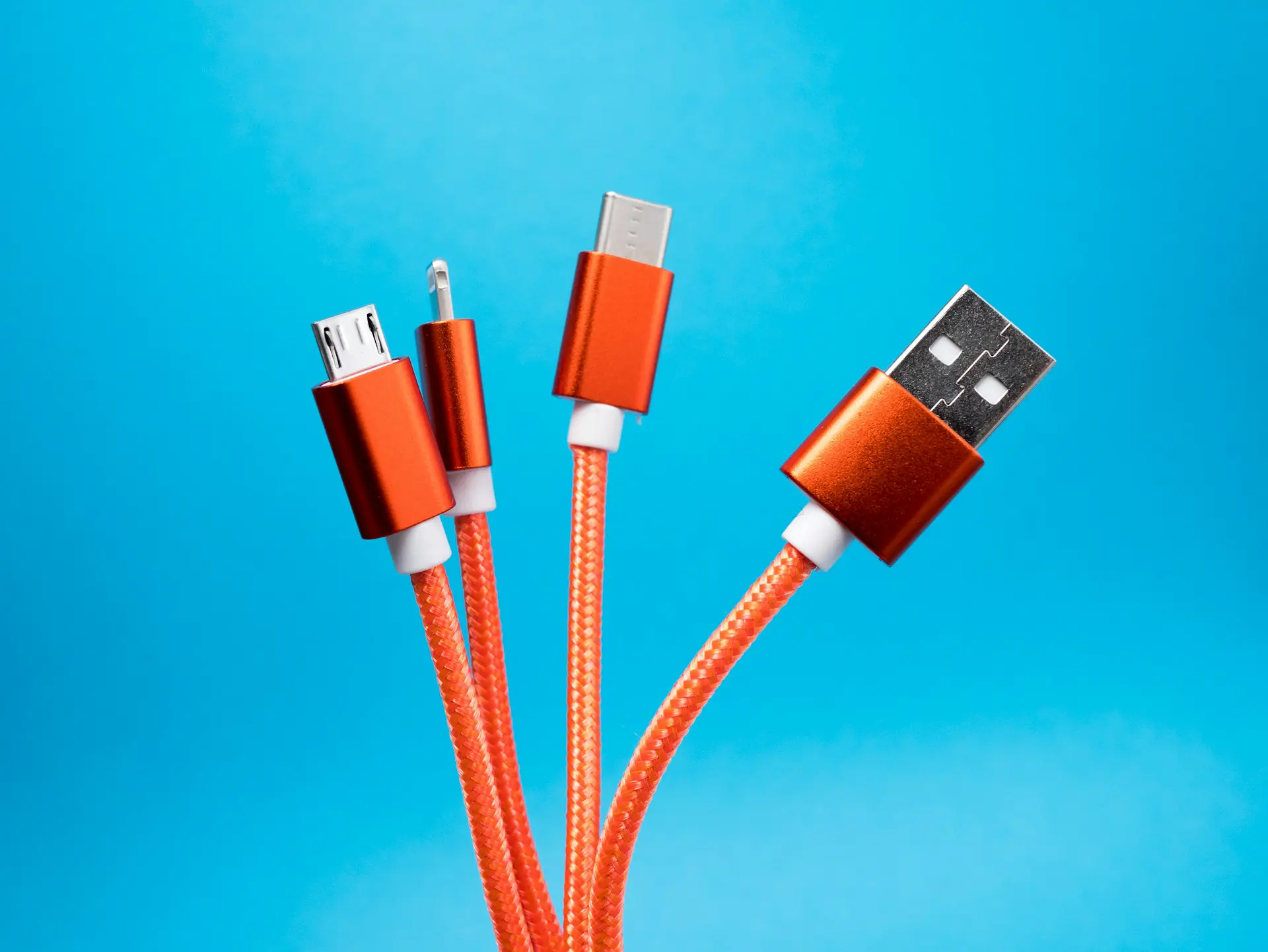
USB-A is the past. USB-C is the future.
The problem is that BOTH are walking through your doors today.
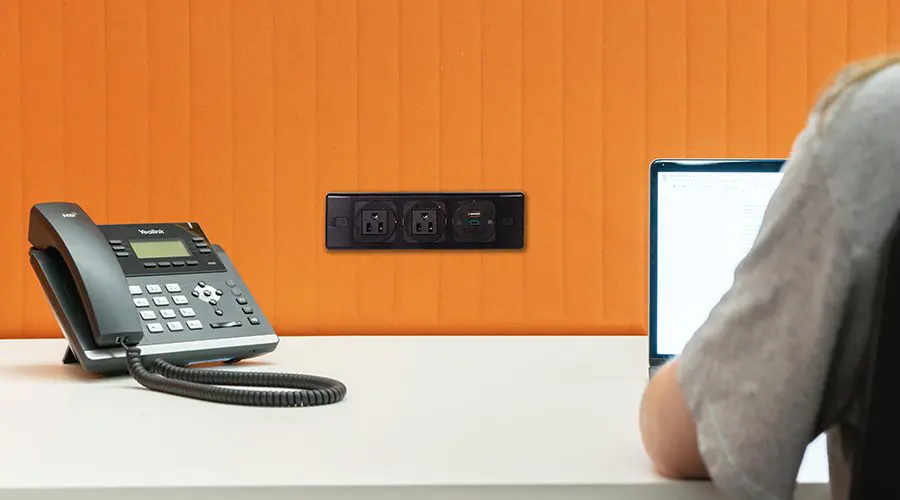
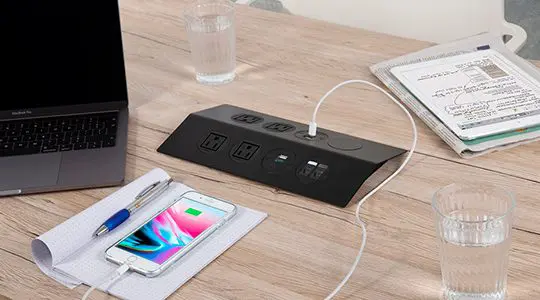
In any shared space — libraries, offices, airports, classrooms — you’ll have users with the latest devices expecting fast USB-C charging, right alongside people using older tech that still relies on USB-A.
Same space. Very different cables.
And the real question isn’t which standard wins. (Hint: it’s USB-C.) That part is already settled.
But it’s the question we hear often from architects, designers, and facilities teams who manage shared spaces:
Should we be installing USB-A for today…or USB-C for the future?
The short answer is “yes”.
The longer, more useful answer (with a solution that doesn’t involve ripping everything out in two years) is below:
USB-A vs USB-C, without the headache
Quick tech lesson:
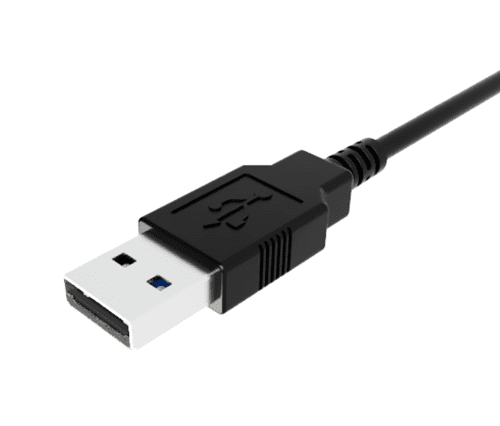
USB-A is the familiar rectangle we’ve all owned since the dawn of time (or at least since our first iPods).
It works. It’s everywhere. And millions of people still carry those cables daily.
USB-C is the next evolution of USB. It’s smaller, reversible, faster, and capable of delivering significantly more power.
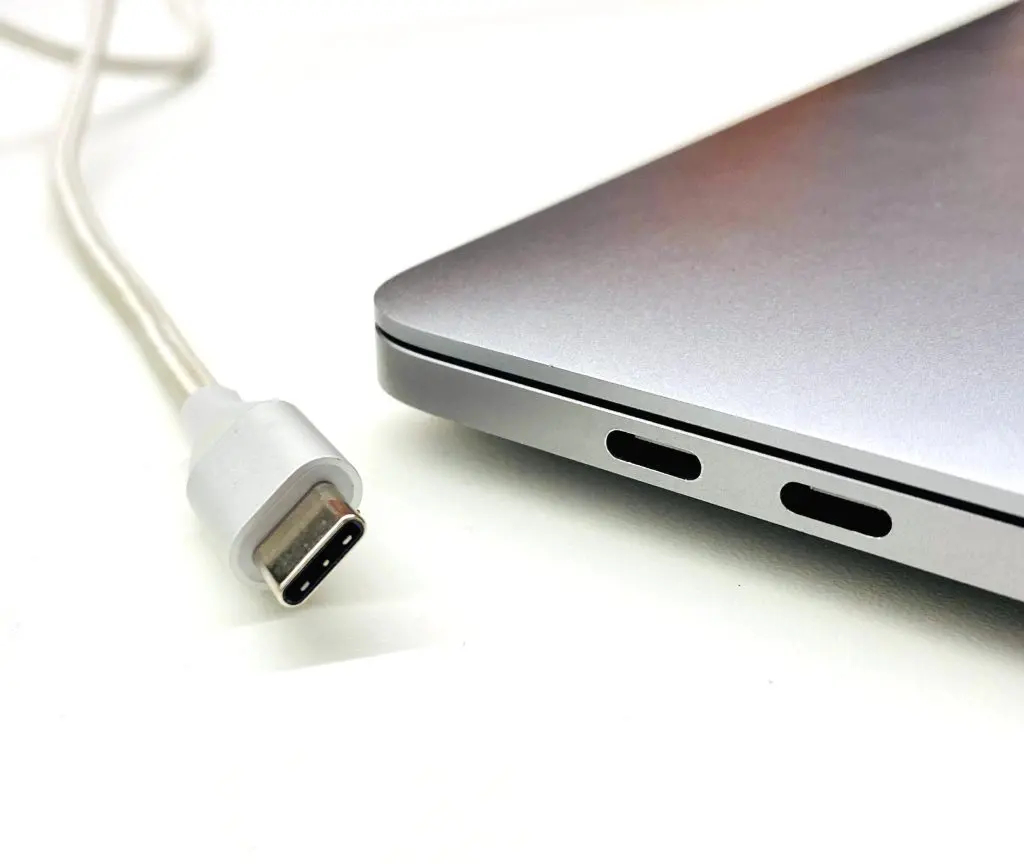
USB-Cclimat charges modern phones properly. It charges laptops. It’s not fiddly. It’s the grown-up version of USB.
From a technical standpoint, USB-C wins. Easily.
And this isn’t a vibes-based prediction. It’s policy.
In 2022, the European Union passed the Common Charger Directive to tackle electronic waste and cable chaos. The rule is refreshingly blunt:
From December 2024, all new smartphones, tablets, headphones, cameras, and similar devices sold in the EU must charge via USB-C.
From April 2026, that requirement extends to laptops.
No more proprietary nonsense. No more bespoke cables that work for exactly one device and then haunt your junk drawer forever.
Yes, that includes Apple. Lightning has left the building. ⚡️
“But we’re in the U.S., so does the EU decision affect us?”
It does. Hugely.
Tech manufacturers hate fragmentation. Making different chargers for different regions costs more, complicates supply chains, and irritates everyone involved.
So instead of fighting the EU, manufacturers did the sensible thing: they standardized globally.
That’s why nearly every new phone you buy in the U.S. now uses USB-C. Laptops are following fast. Accessories too.
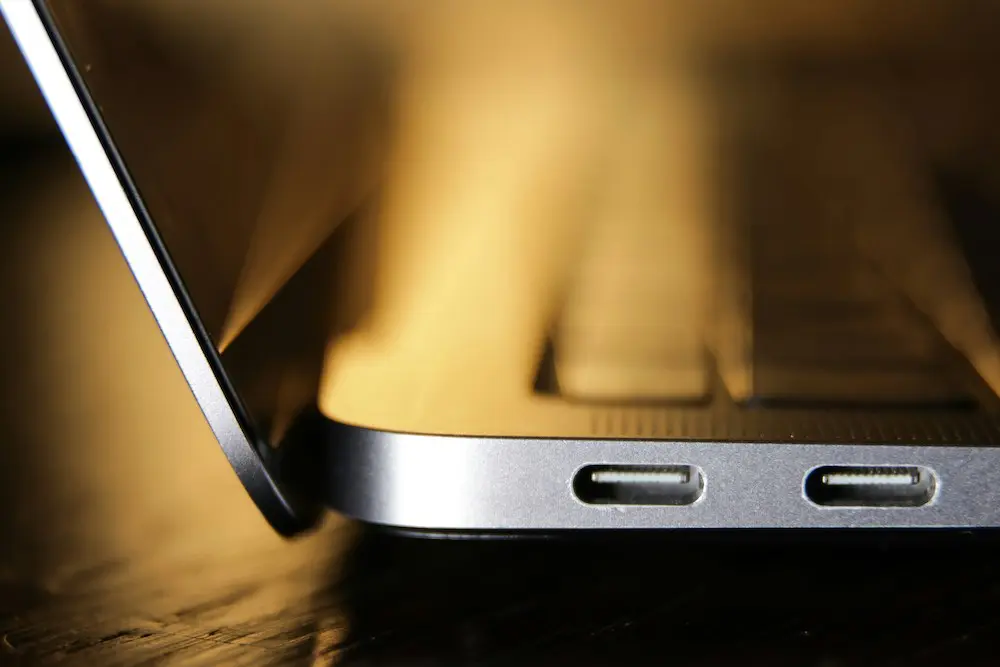
The law may be European but the consequences are global.
How quickly are users adapting to USB-C?
Despite all this progress, not everyone is a power enginerd with the latest and greatest tech. Plenty of people still rely on USB-A cables.
Not because they’re behind the times. Because cables last forever.
They’re in backpacks, desk drawers, glove compartments, and emergency kits. Especially in shared spaces where users span every age, job type, and tech philosophy imaginable.
So if you install only USB-C today, a small but vocal group of users may be mildly annoyed.

…And mildly annoyed users tend to notice.
So what’s the smartest move: USB-A or USB-C?
Here are the three options we see most often, and when they make sense.
The Clean, Future-Facing Option: Twin USB-C
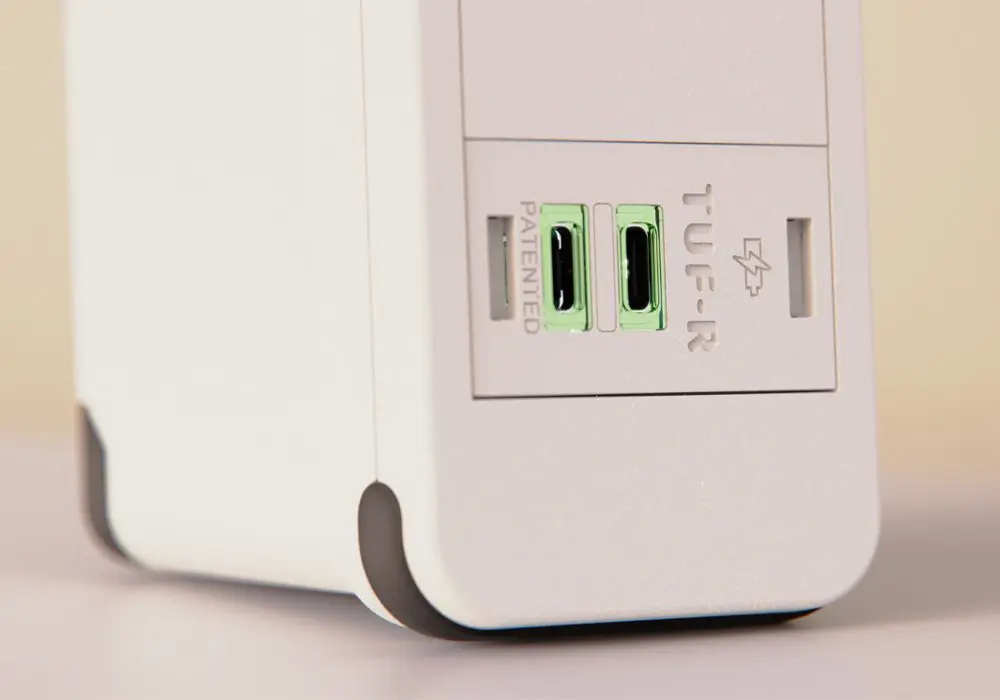
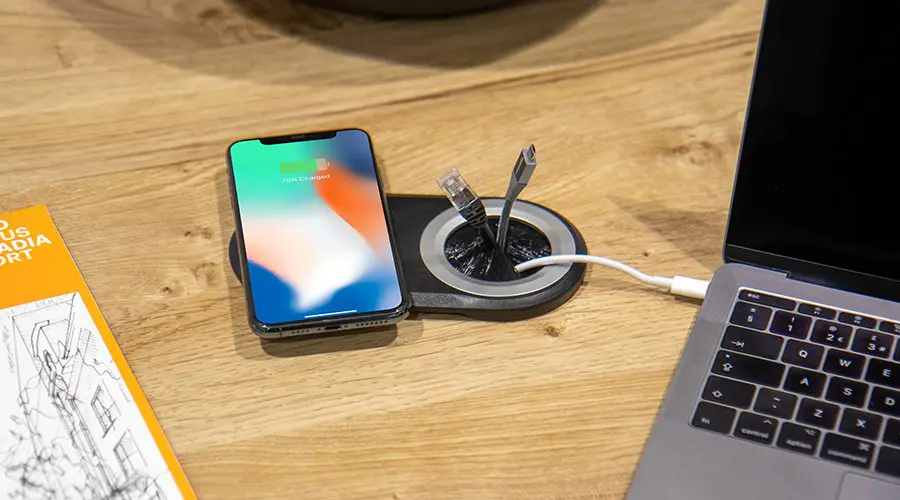
If your space is new, long-life, and designed to support modern devices for years to come, dual USB-C ports are a strong bet. They deliver proper power, faster charging, and align perfectly with what many users are bringing in now.
This is where things are heading.
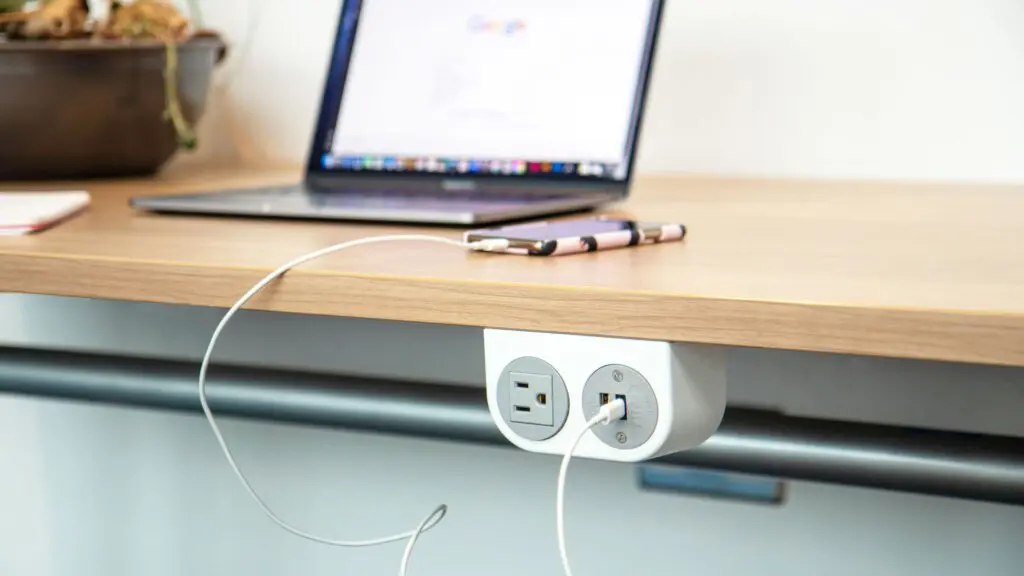
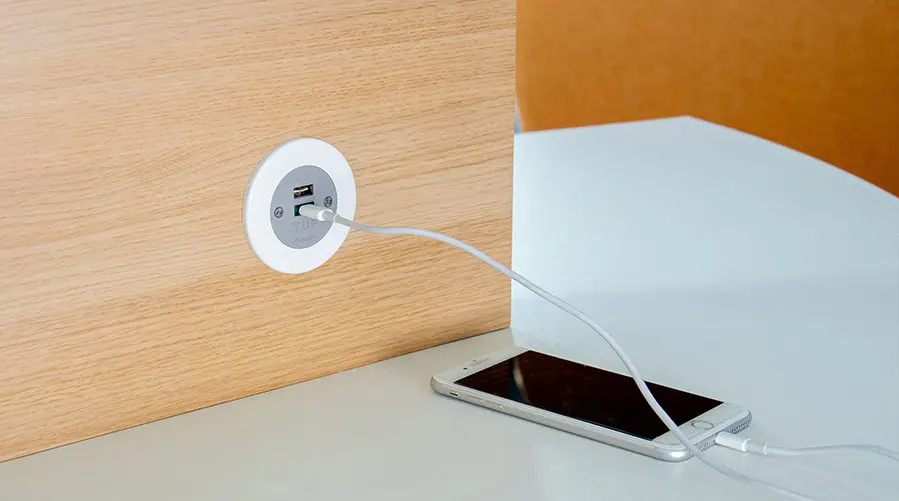
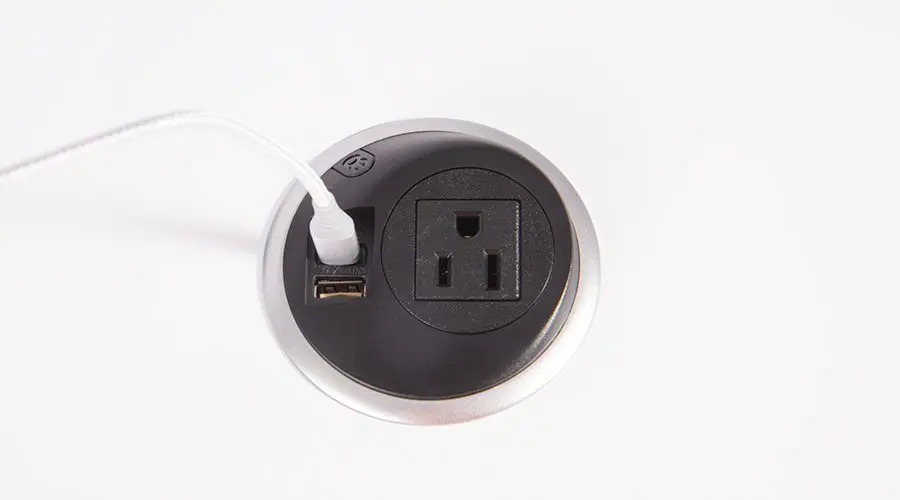
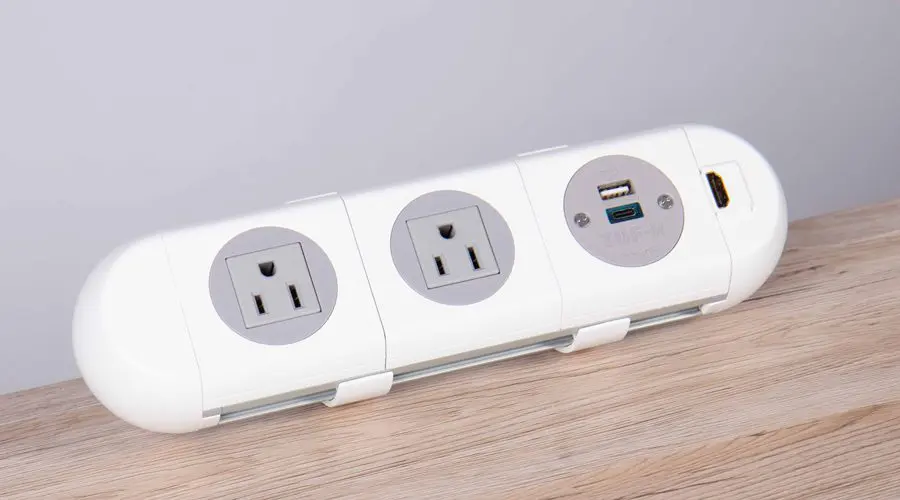
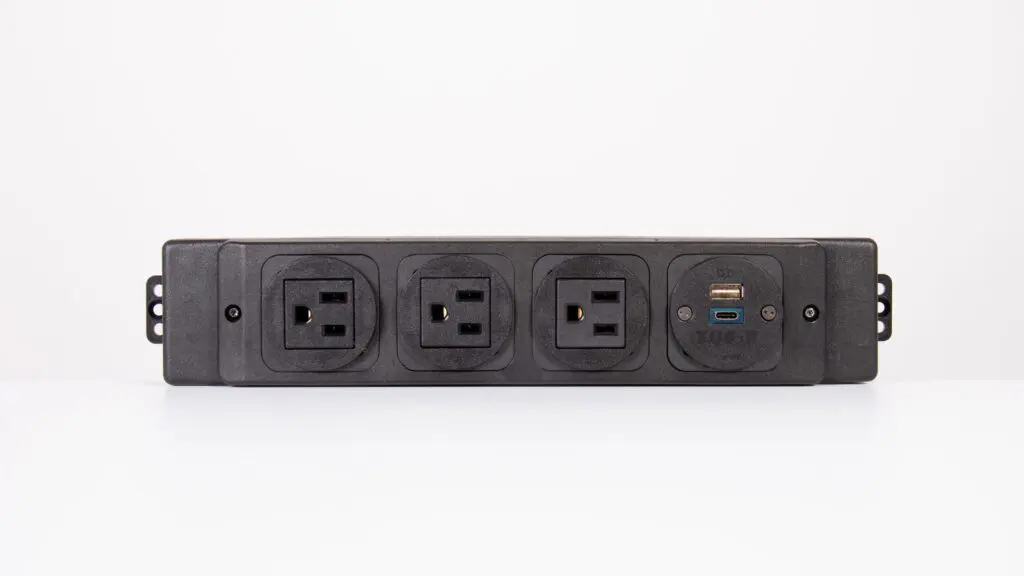
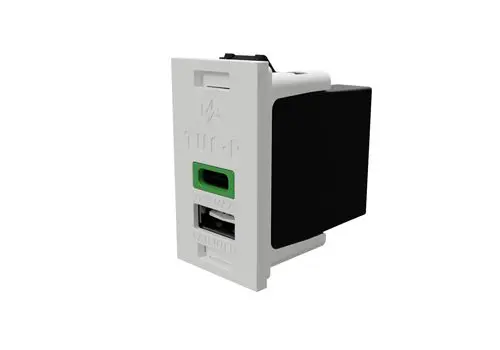
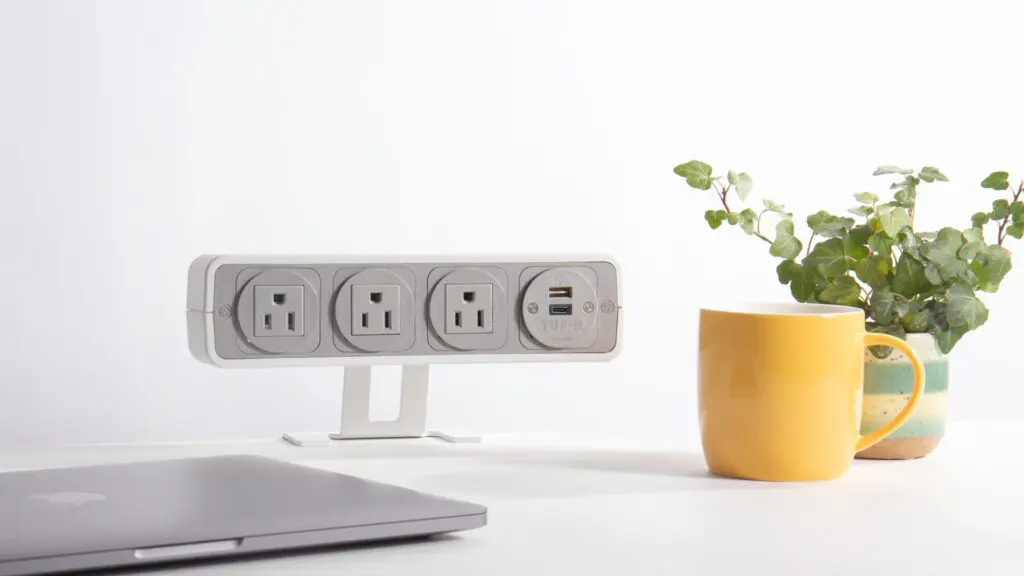
The Diplomatic Option: USB-A + USB-C
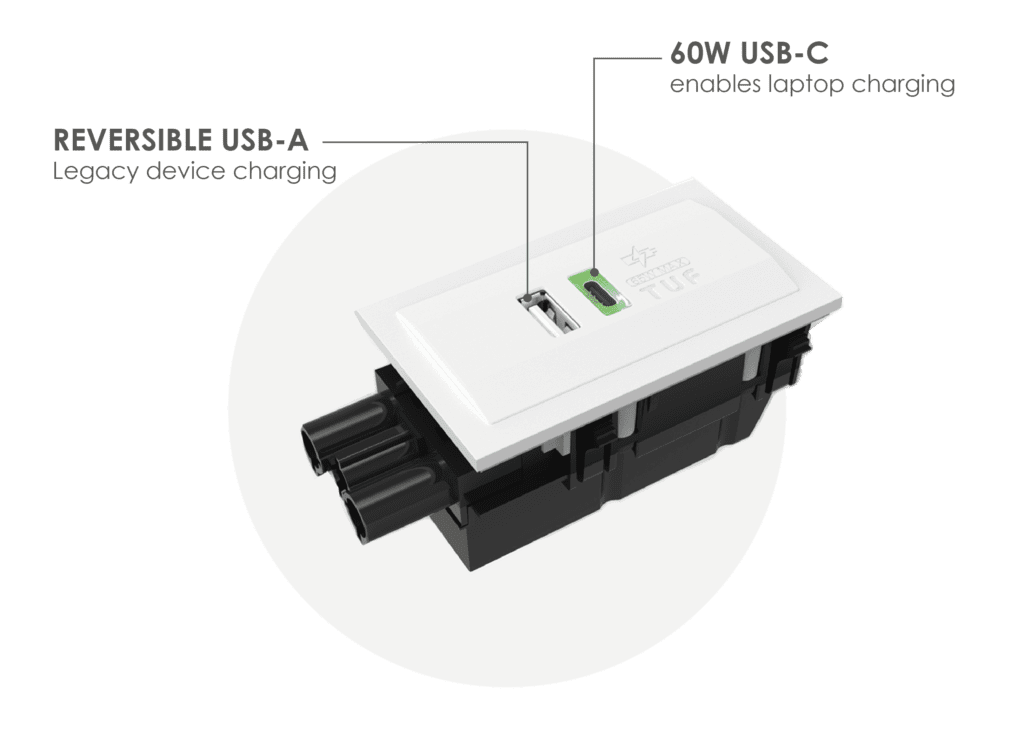
One port for the future (USB-C). One port for the present (USB-A). It quietly satisfies almost everyone without forcing an upgrade conversation at a library desk or reception counter.
For many projects today, this is the most sensible compromise.
The Smartest Option: Install once. Decide later.
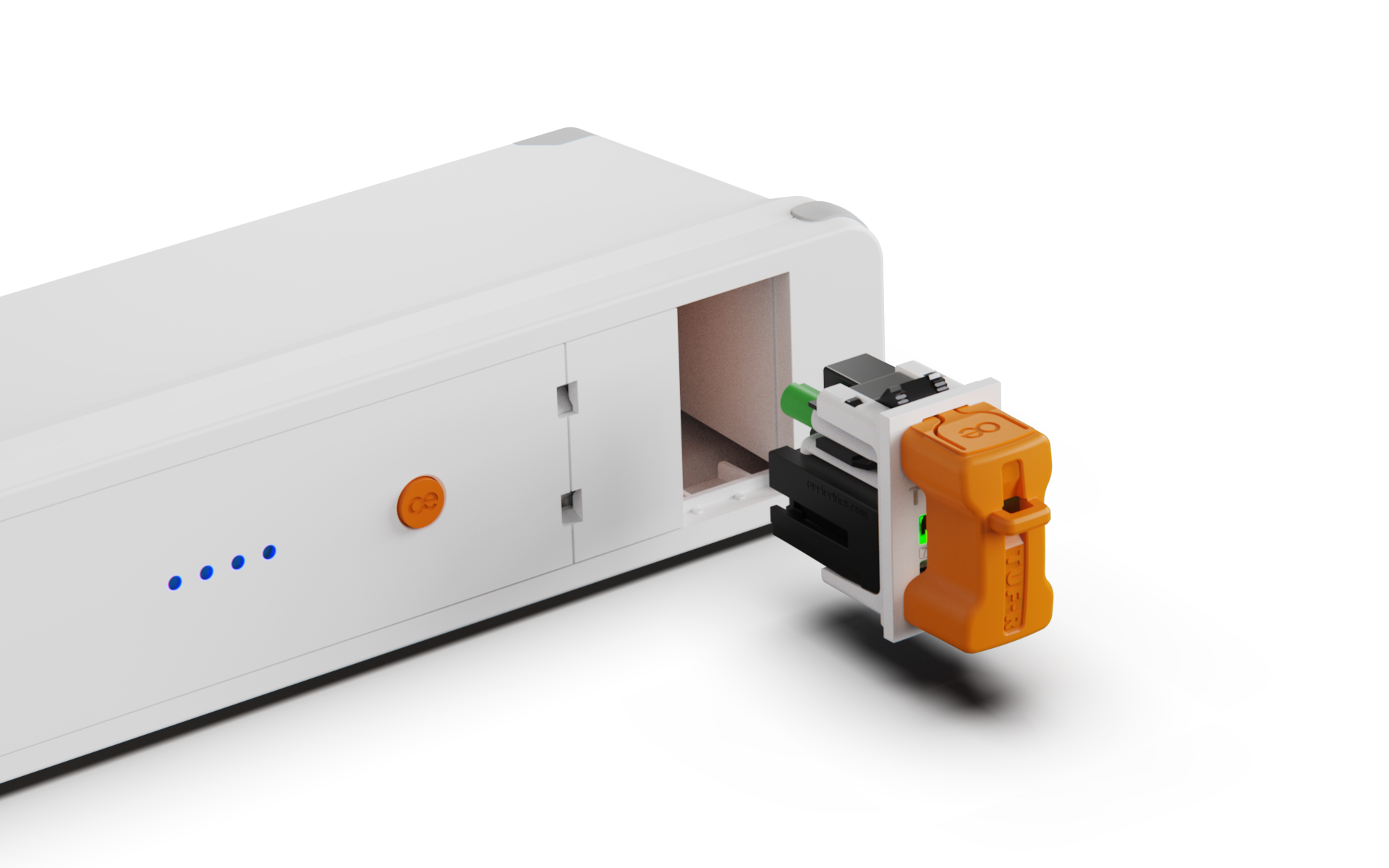
This is where modularity earns its keep.
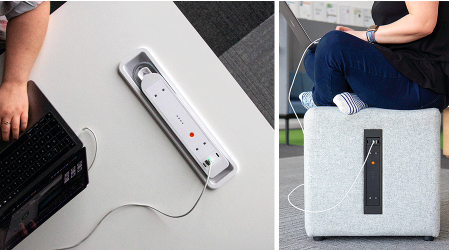
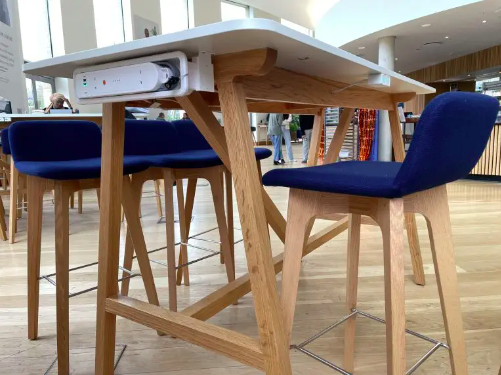
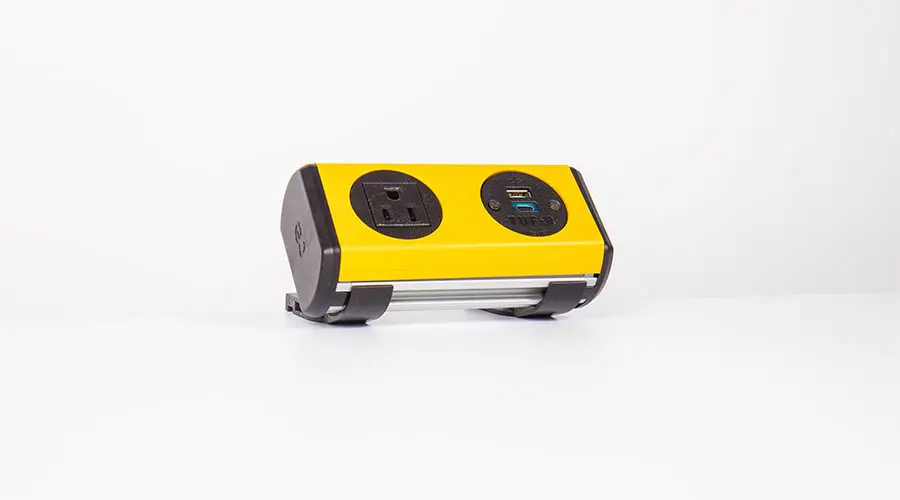
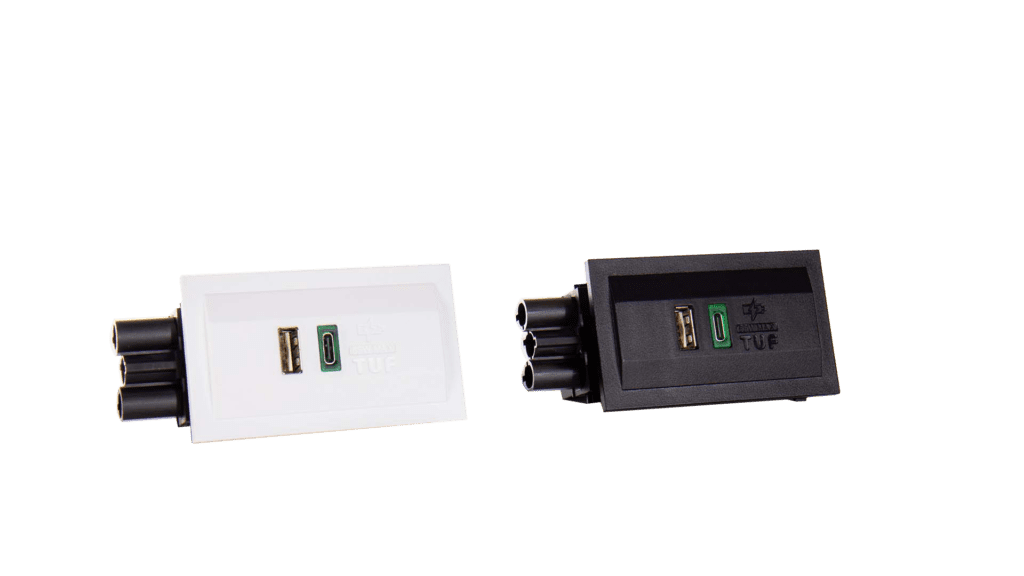
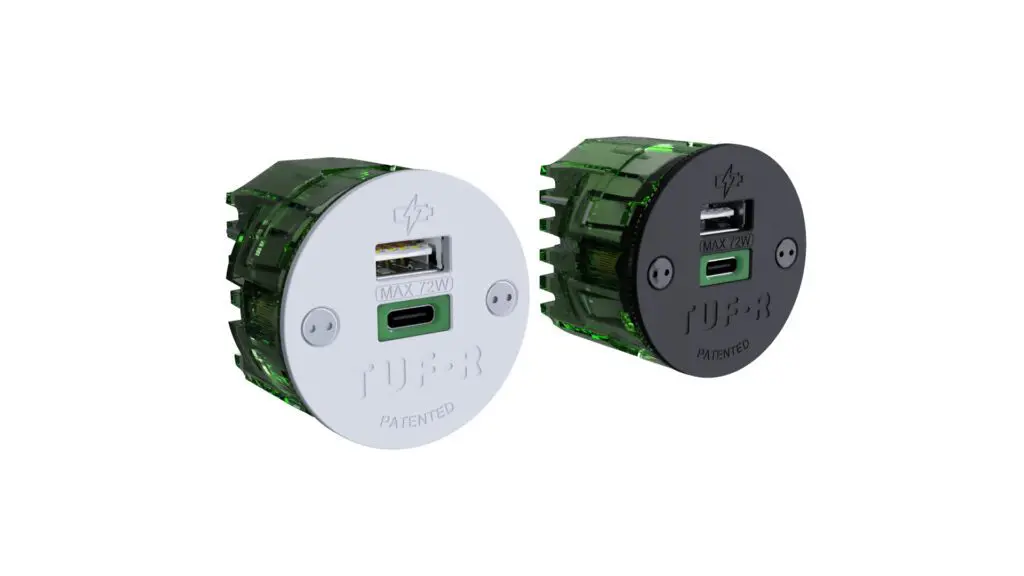
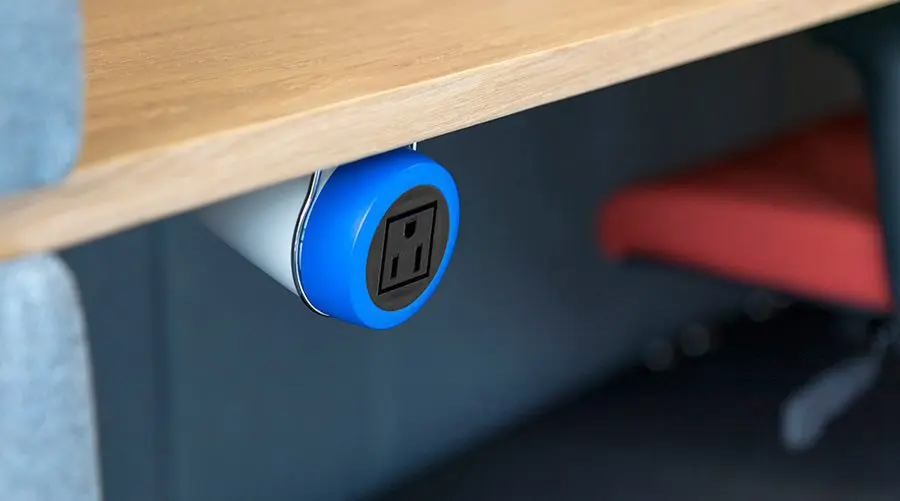
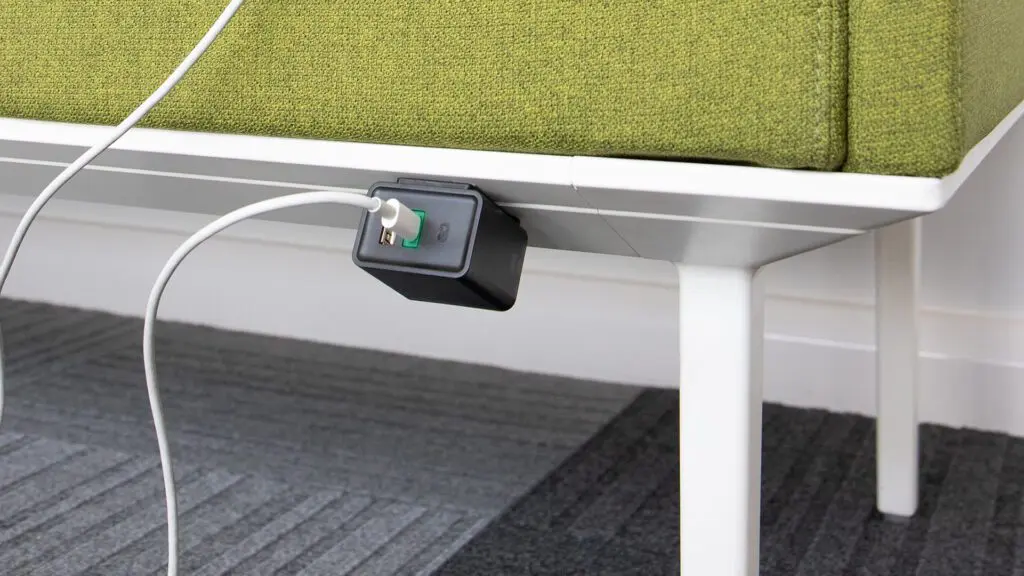
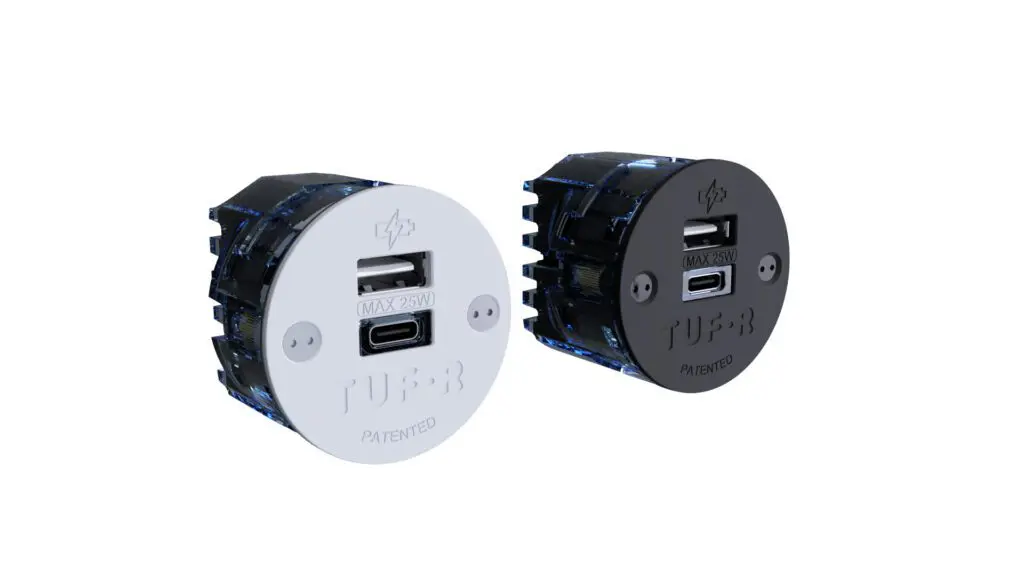
With OE’s replaceable TUF-R® USB chargers, the USB module itself can be swapped out over time.
That means you can install USB-A + USB-C now, then move to twin USB-C later without ripping out the entire unit or sending perfectly good hardware to landfill.
Or you can install twin USB-C now, and when a heavy-handed user aggressively jams in their cable and breaks the charging port, you can replace it just as quickly and easily. (Under 30 seconds!)
It’s future-proofing without guesswork.
Why this matters for sustainability (not just convenience)

Electronic waste is a serious problem. According to the Global E-Waste Monitor, in 2022 alone, the world generated over 62 million metric tons of e-waste, and less than 25% was properly recycled.
Every time infrastructure becomes obsolete instead of adaptable, that number climbs.
Modular charging means fewer replacements, longer product life, and less waste. It’s better for budgets, better for buildings, and better for the planet.
That philosophy runs through everything we design at OE. (You can read more about our sustainability promises and metrics here.)
Where Animate fits into the picture
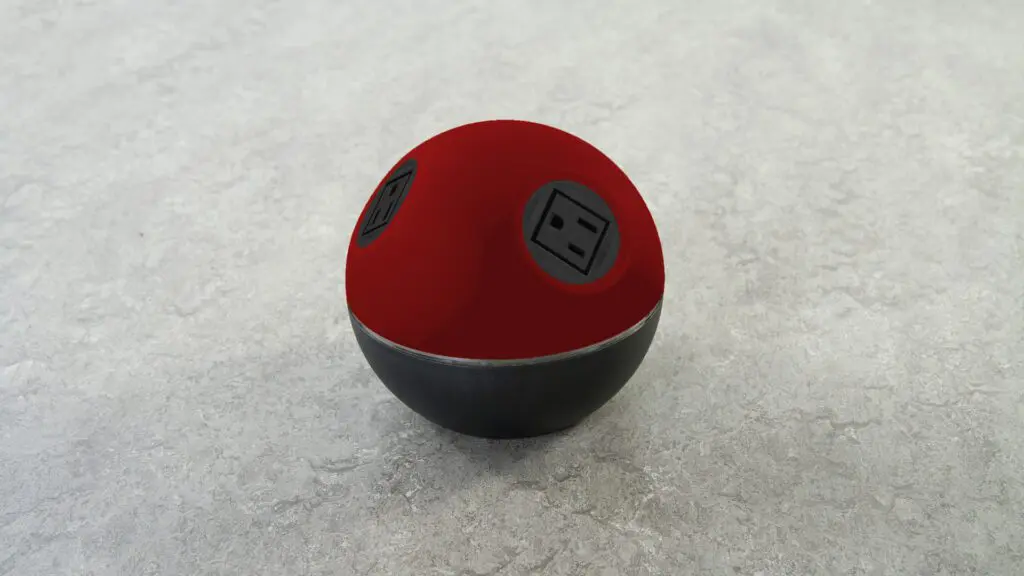
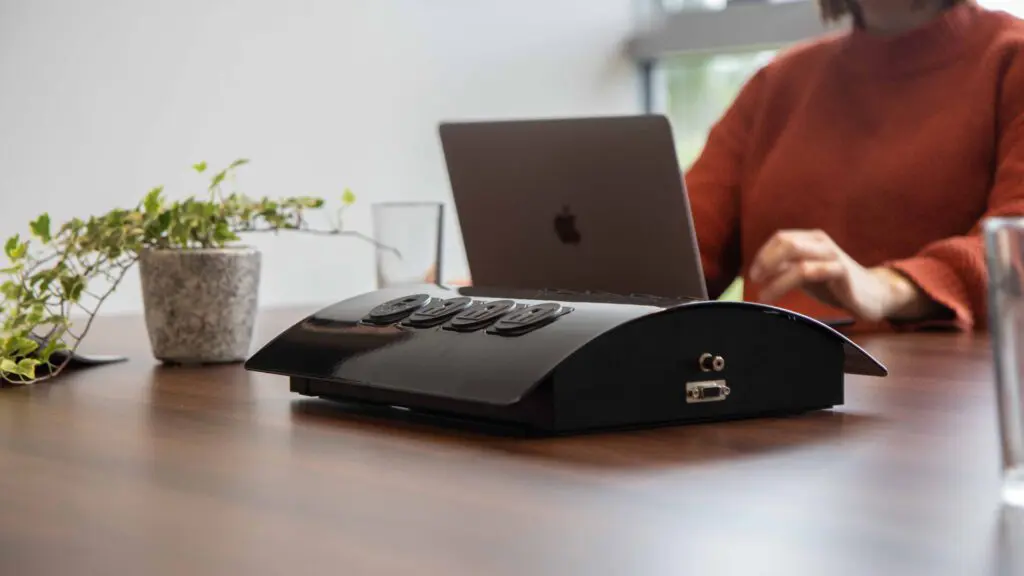
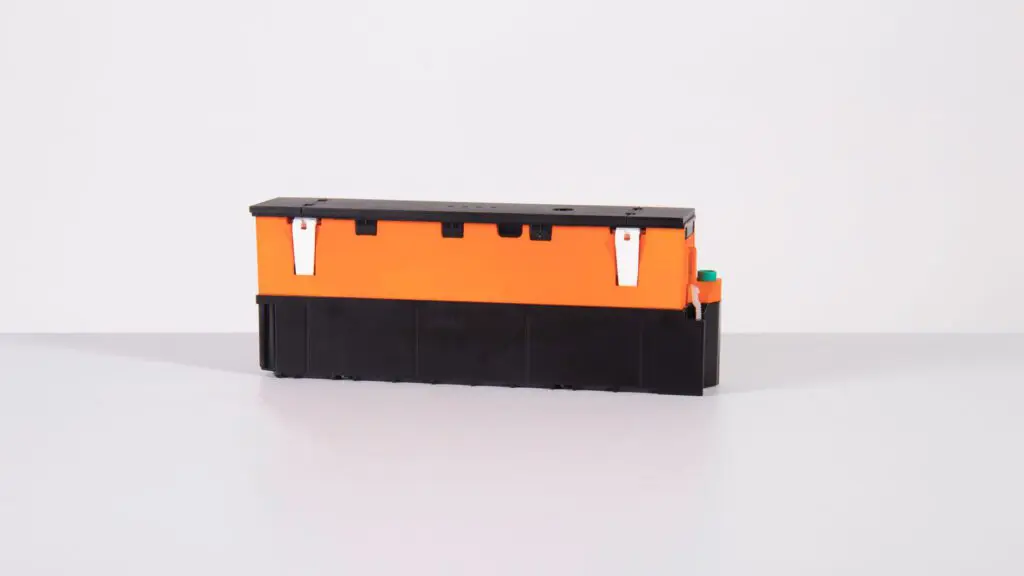
Animate, our portable battery solution, is powered exclusively by USB ports using the replaceable TUF-R® system.

That decision was very intentional.
Portable power needs to age gracefully. Locking it into a single, non-replaceable port would be like building a house with sealed windows and hoping the climate never changes.
Animate is currently the ONLY portable battery on the market that allows its USB modules to be replaced over time.
(👆Read that bit again!)
That means NO other batteries can offer this level of flexibility, with the option of changing your USB port over time as technology and user needs evolve. If you decide to upgrade down the line with any battery apart from Animate, you’ll have to throw away the entire unit and buy a whole new one.
Whereas with Animate, you just take 30 seconds to pop out the old USB module and press in a new one. 🙌
It’s our most future-proof product because in today’s weather, it has to be.
Learn more about our forward-thinking Animate line here >>
Technology will keep changing. That part is inevitable.
The smart move is designing infrastructure that doesn’t panic every time it does.
And if you’re still clinging to a beloved USB-A cable from 2018, don’t worry. There’s still space for you…for now.