Let’s start with a scene you’ve probably witnessed (or possibly starred in)…
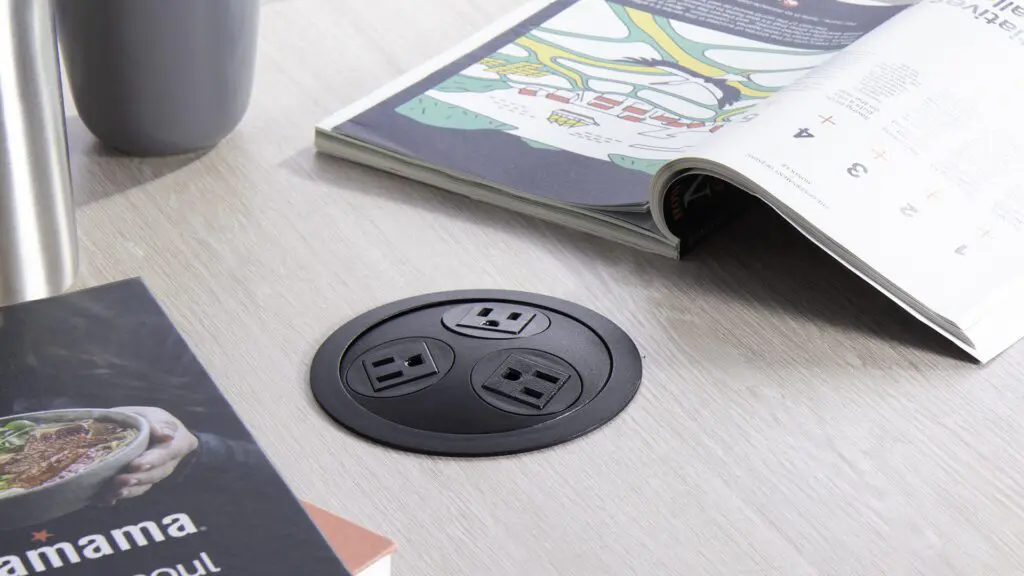
A single wall outlet.
A smartphone, hair dryer, digital clock, and bedside light that all need to be plugged in.
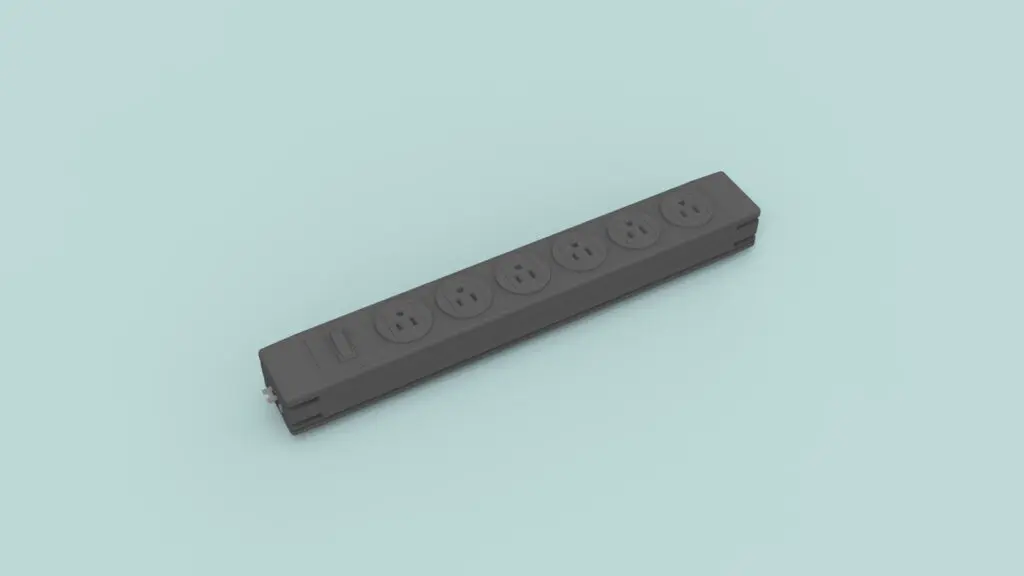
Someone confidently plugs in a power strip extension, turning that single wall outlet into 6 available sockets…
Plugs in all the devices, feeling a moment of pride from ticking “figure out bedroom sockets” off their mental to-do list, and starts drying their hair…
And BOOM. The socket’s blown.
What gives?!
It has to do with a power reality most people don’t know:
Your wall socket is NOT a bottomless pit of power. It’s more like a small doorway.
…A doorway we often try to let through an entire marching band at once.
Yes, a wall socket can deliver a lot of electricity. No, it cannot deliver infinite electricity.
This is why people end up blowing breakers when they stack devices together that were never meant to share the same socket.
But here’s the good news:
Once you understand how electricity works behind the scenes, you’ll never again wonder whether plugging in your laptop, space heater, blender, and speaker is brave, foolish, or both.
Keep reading for a quick, clear guide to knowing how many things you can safely plug into one wall outlet. Plus how to make the most of a single socket without creating chaos.
And as always, no jargon or nerd talk unless it’s actually useful. 👍
So what’s actually happening behind the wall?
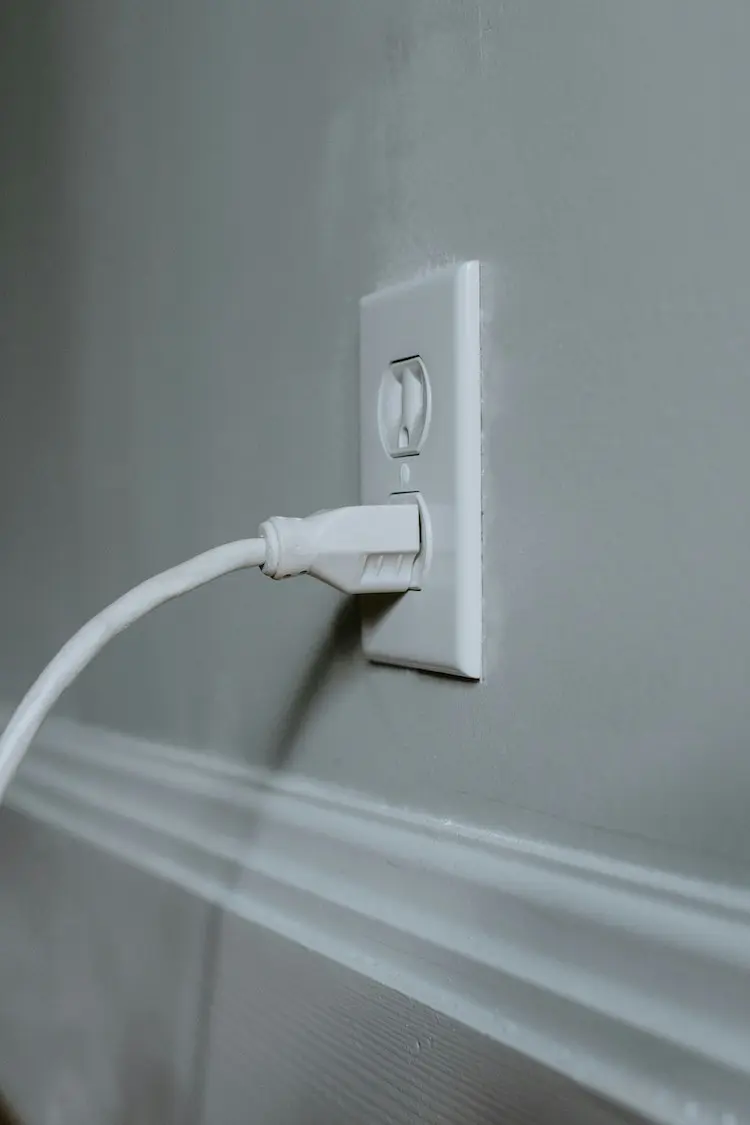
Electricity often feels like magic — flick a switch, everything comes alive. ✨ But the physics is beautifully consistent.
Here’s the simplest way to picture it:
Your wall socket can give you a maximum amount of power. Think of it like a water pipe supplying your house.
The pipe can only let so much water flow at once. Attach too many faucets, showers, and toilets to the same pipe and the pressure drops to a trickle. Or the pipe bursts.
In the U.S., a standard household circuit typically delivers roughly 1,800 watts of total power.
And here’s what surprises most people:
That 1,800 watts isn’t just for one outlet, it’s for the whole circuit.
Meaning your one wall outlet is usually sharing that 1,800-watt limit with multiple nearby outlets, lights, etc. And sometimes, depending on how much of a cowboy the original electrician was, circuits can span across other rooms entirely.
That’s the theory…
But in practice, we don’t always know which outlets are attached to which circuits. So let’s go through some best-practice tips to apply this in the real world, even if you don’t have the electrics diagrams for your space…
Which devices suck up the most power?
A quick cheat sheet, because life’s too short to do wattage math every time you want toast:
High-power devices (1,000–1,800 watts)
These are the divas of electricity. They demand a lot of power and don’t like sharing a socket:
Hair dryers
Space heaters
Toasters
Kettles
Microwaves
Vacuums
OE Tip: Try to use these on their own because just one of these devices can take up 60–100% of a circuit’s available power.
Medium-power devices (200–900 watts)
Blenders
Coffee makers
Gaming laptops under load
Monitors
Desktop PCs
Irons
OE Tip: You can often plug in one medium-power device plus a couple of low-power ones (below) to the same outlet if the rest of the circuit isn’t already busy.
Low-power devices (5–100 watts)
These are the ones you don’t usually need to worry about:
Smartphones
Tablets
LED lamps
Routers
Smart speakers
USB chargers (proper ones, not the dodgy bargain-bin sort)
OE Tip: You can plug several of these into one outlet safely, as long as you don’t combine them with a high-power device on the same circuit.
The trouble with power strips
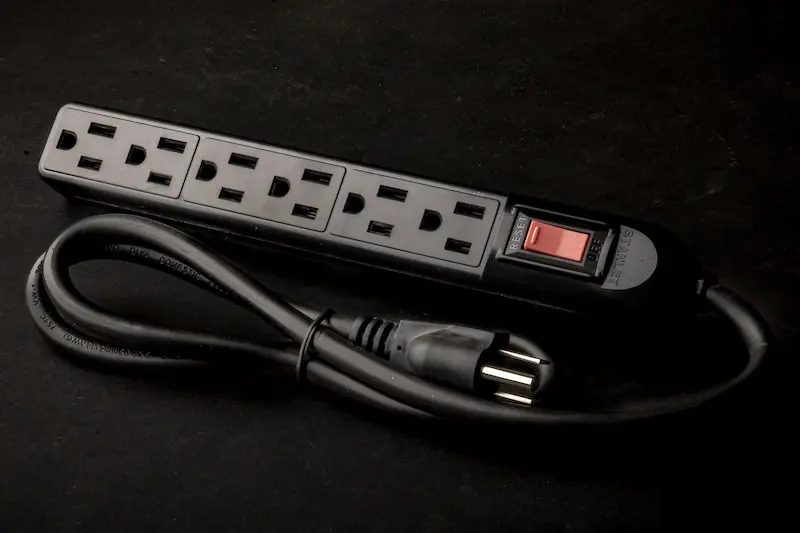
By now, you’re probably starting to understand that you can’t just buy a 10-socket power strip and call it a day. (Sorry!)
Because more sockets does not equal more power. 🙅♂️ It just equals more ways to use up that power.
You could plug a 10-gang power strip into a single wall outlet…
But the total wattage still can’t exceed what that one circuit can provide. A power strip actually makes it easier to overload a circuit.
And if you’re a workplace, college campus, airport, or hotel, the problem gets even larger…
Devices multiply.
People cluster.
Cords turn into a plate of electrical spaghetti.
And you need more outlets than any architect planned for.
At OE Electrics, we see this constantly when we help our clients design spaces with heavy power demand. If every device needed its own dedicated socket, buildings would need dozens of outlets per room, miles of extra wiring, and enough panel space to make your facilities manager cry into their spreadsheets.
So we don’t do that. 👌
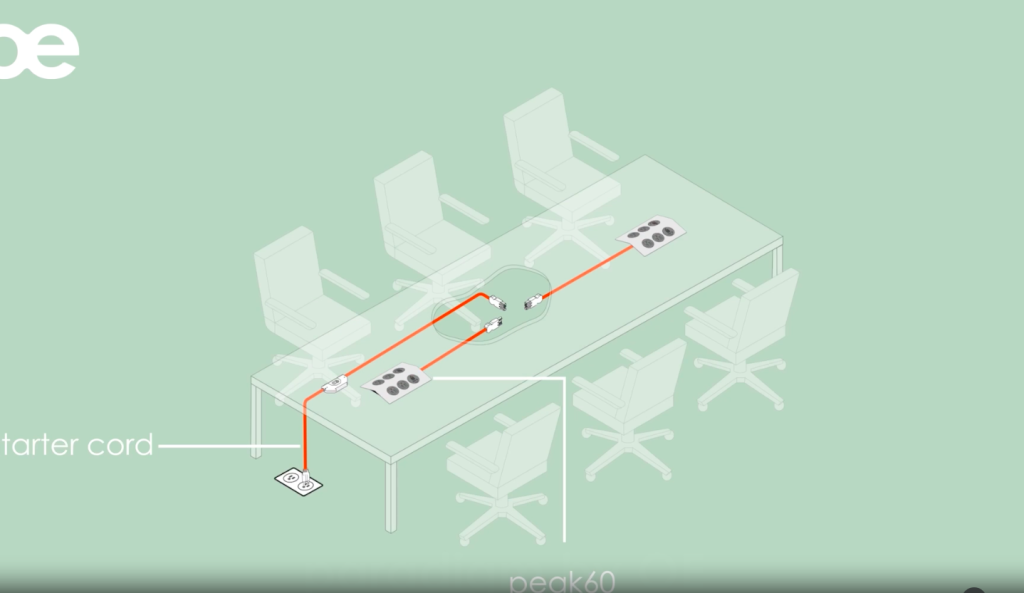
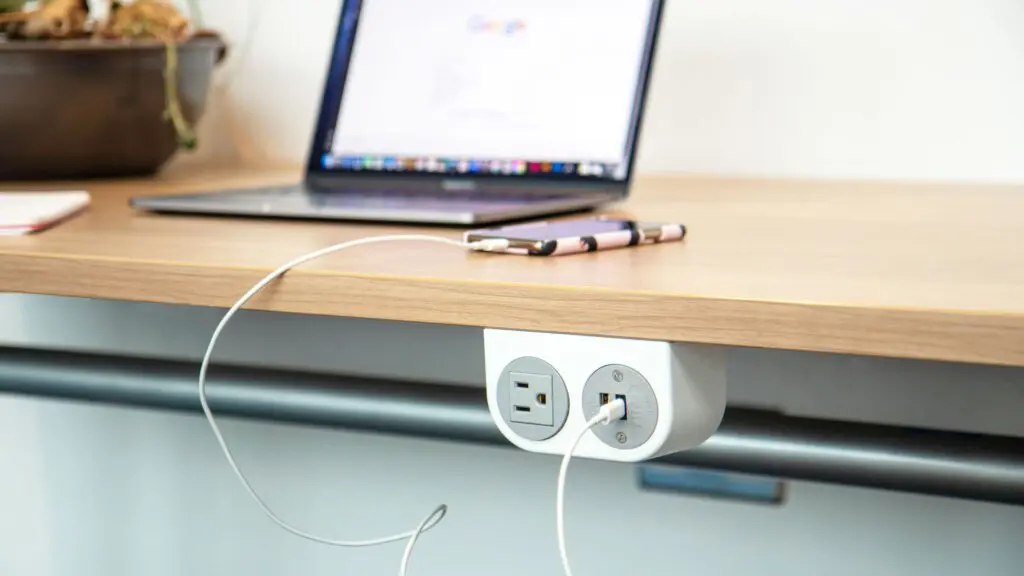
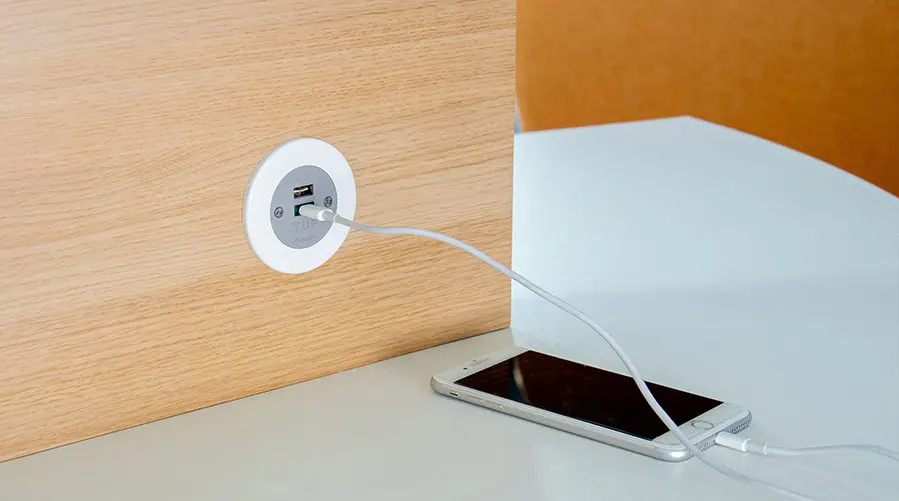
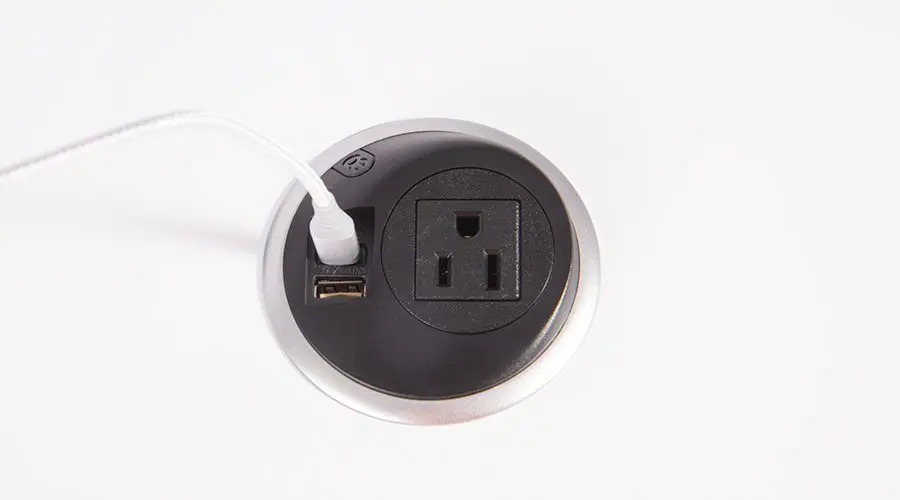
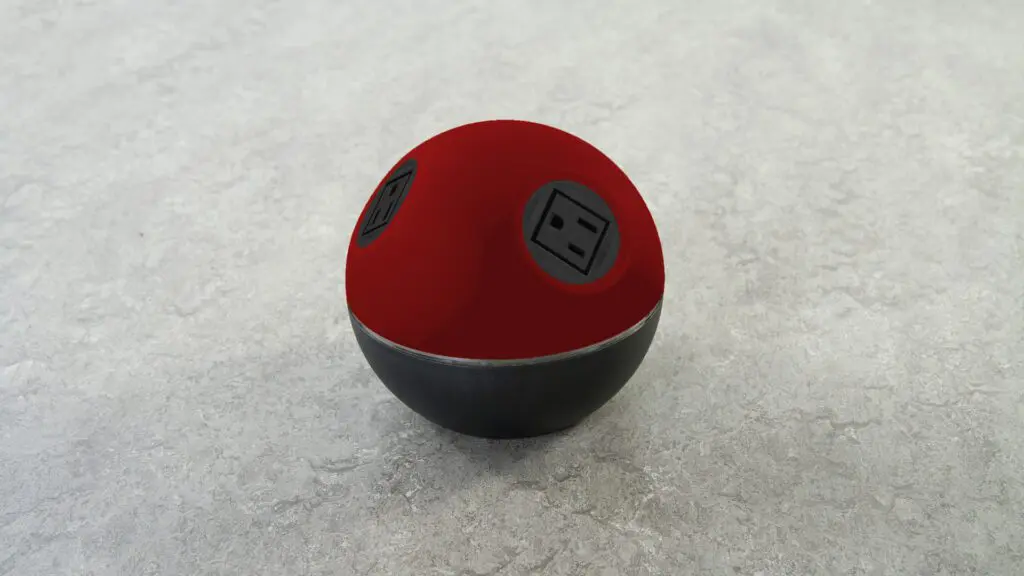
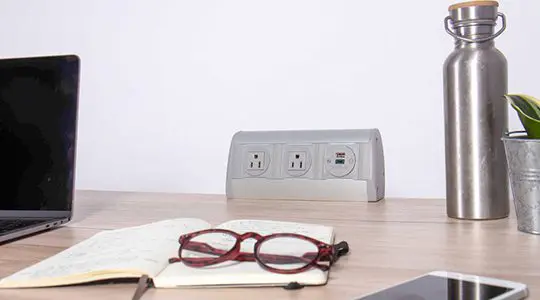
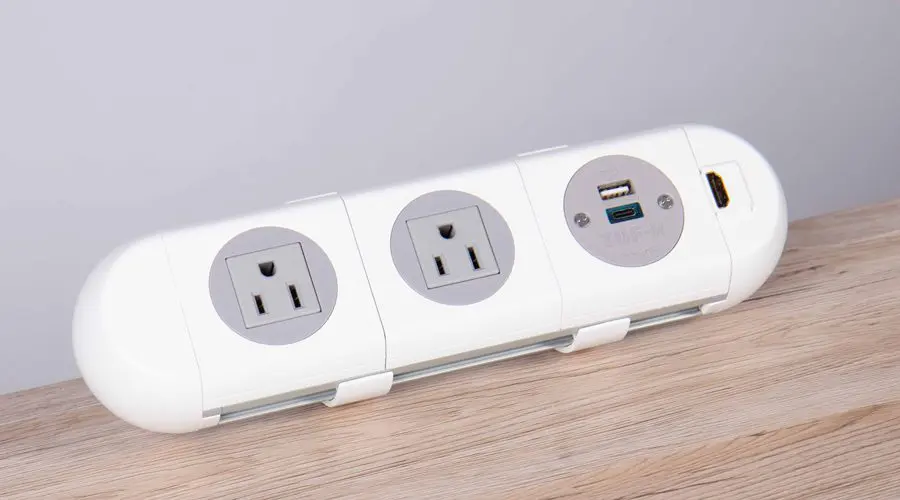
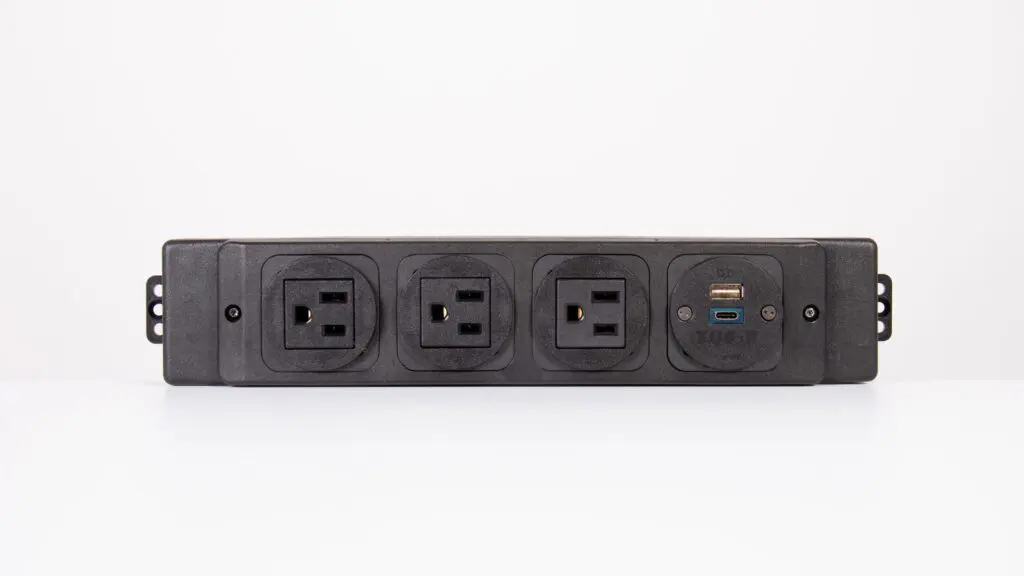
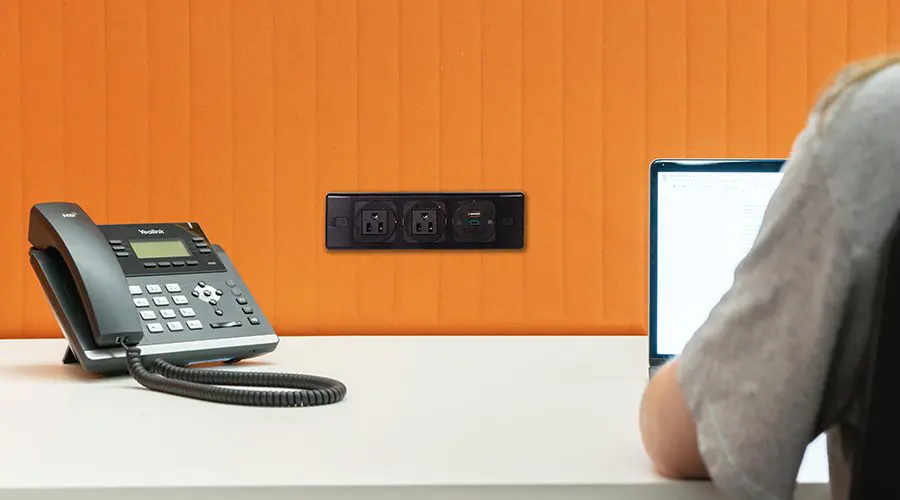
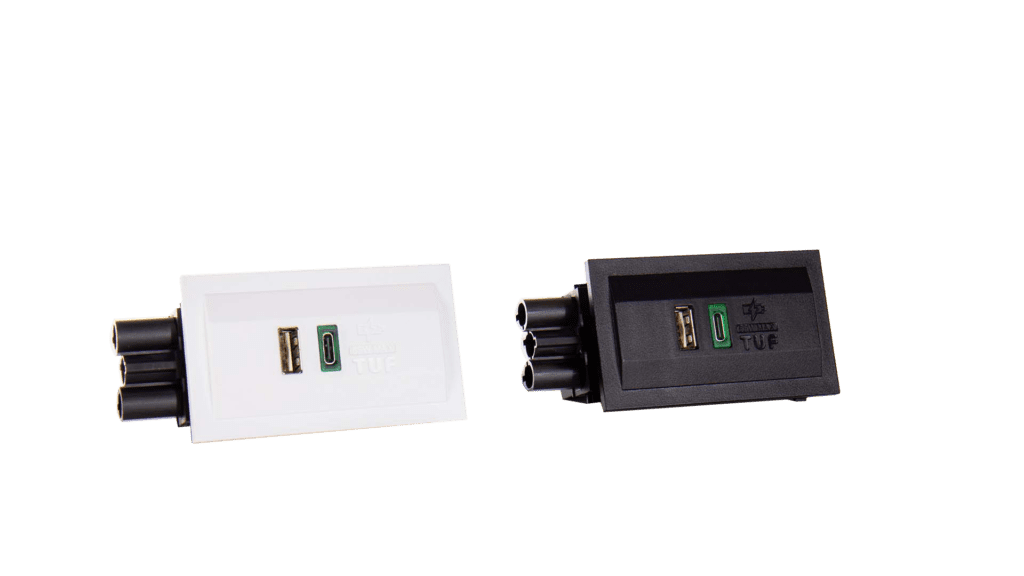
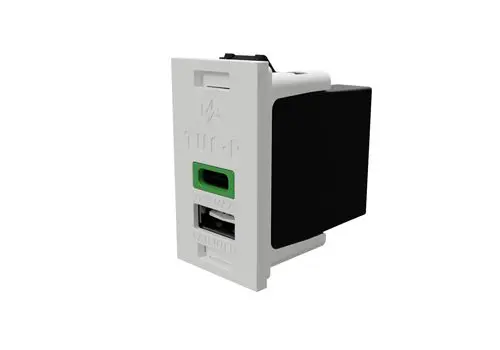
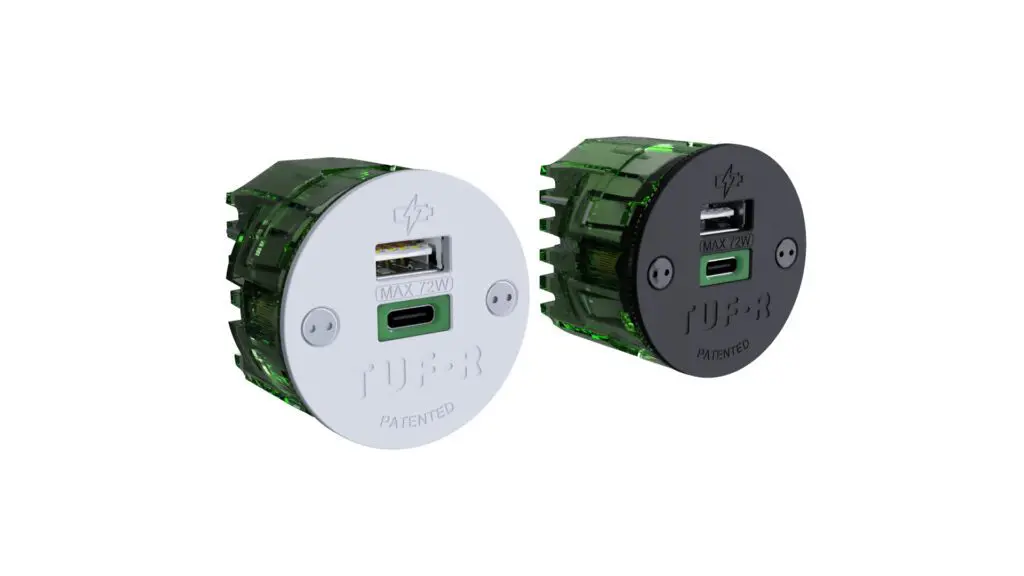
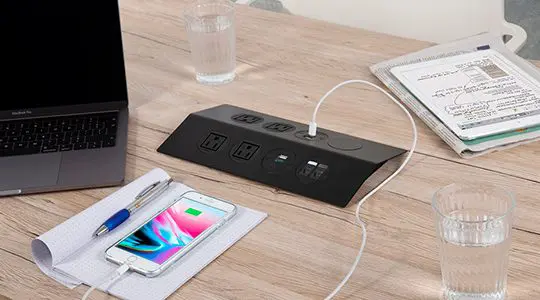
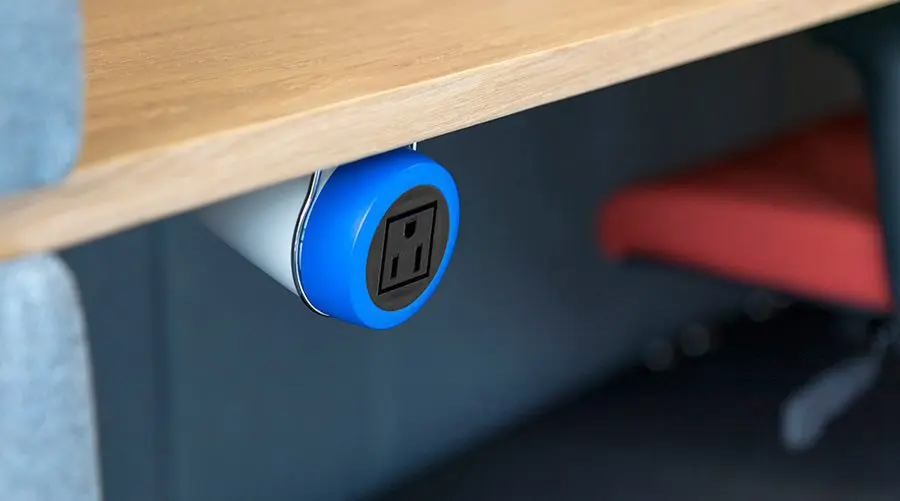
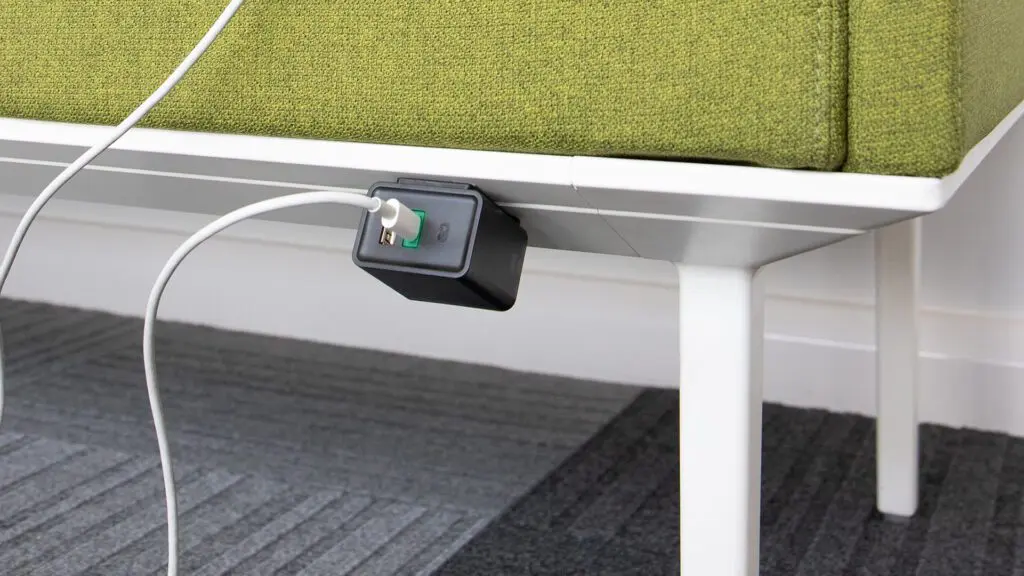
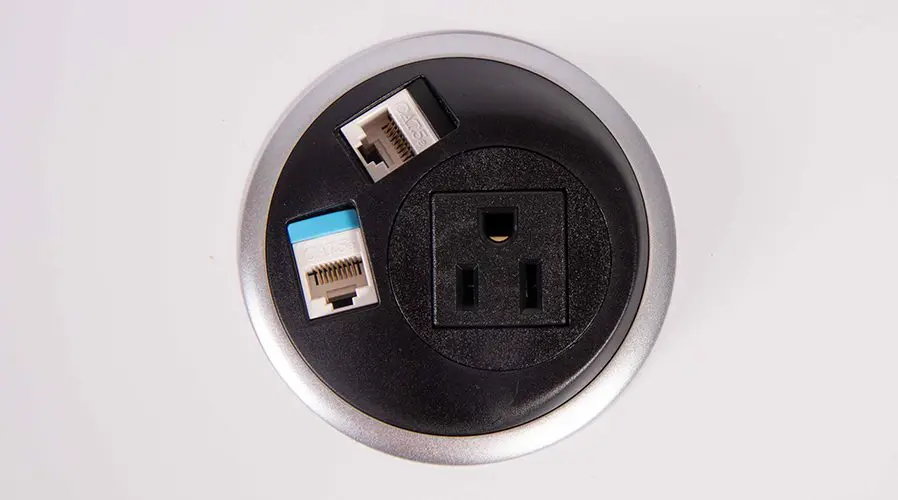
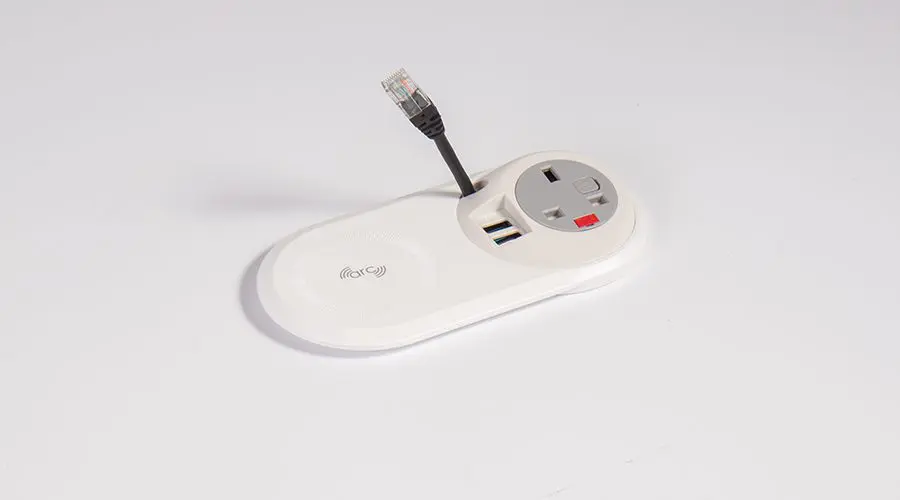
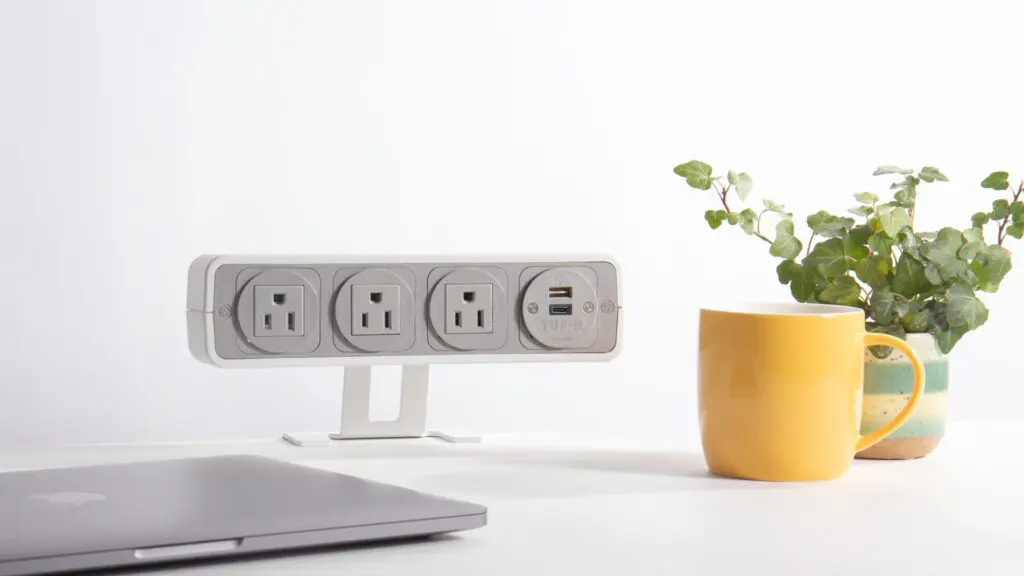
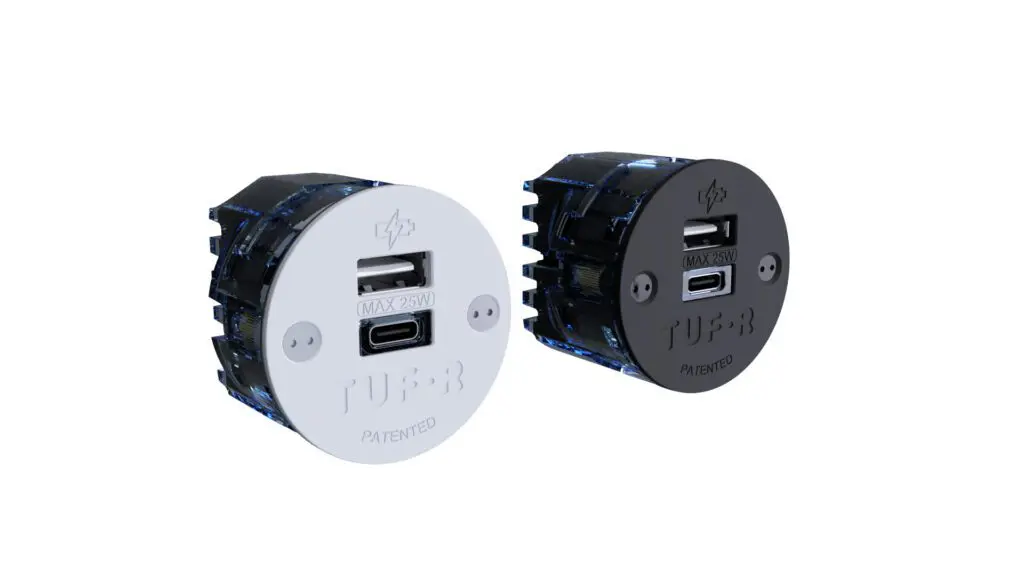
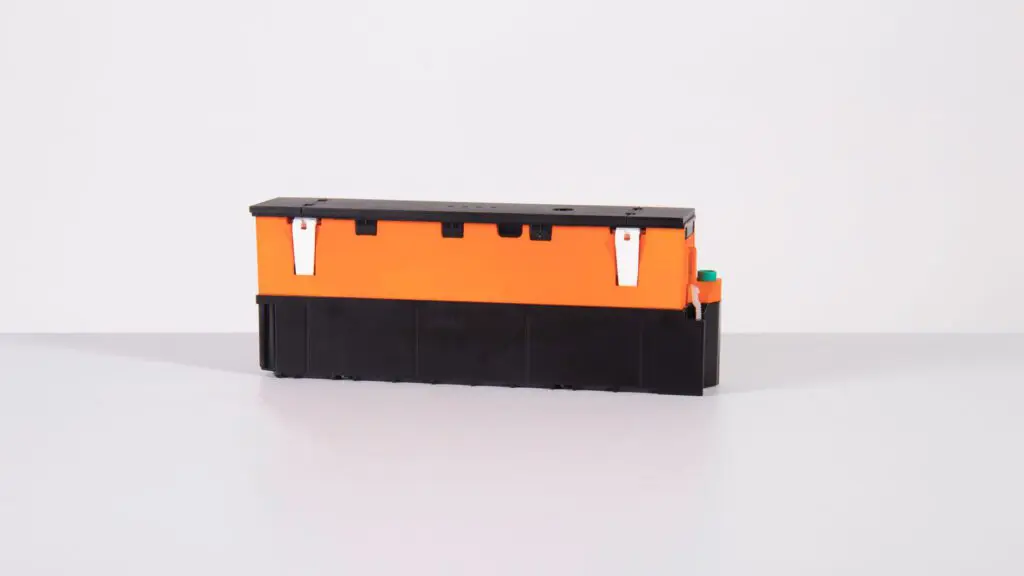
Instead, we engineer solutions that safely manage multiple outputs from a single socket — using intelligent power distribution and safety-first design principles. (If you want to learn more, check out our Paradigm solution.)
How can you make one socket go further…safely?
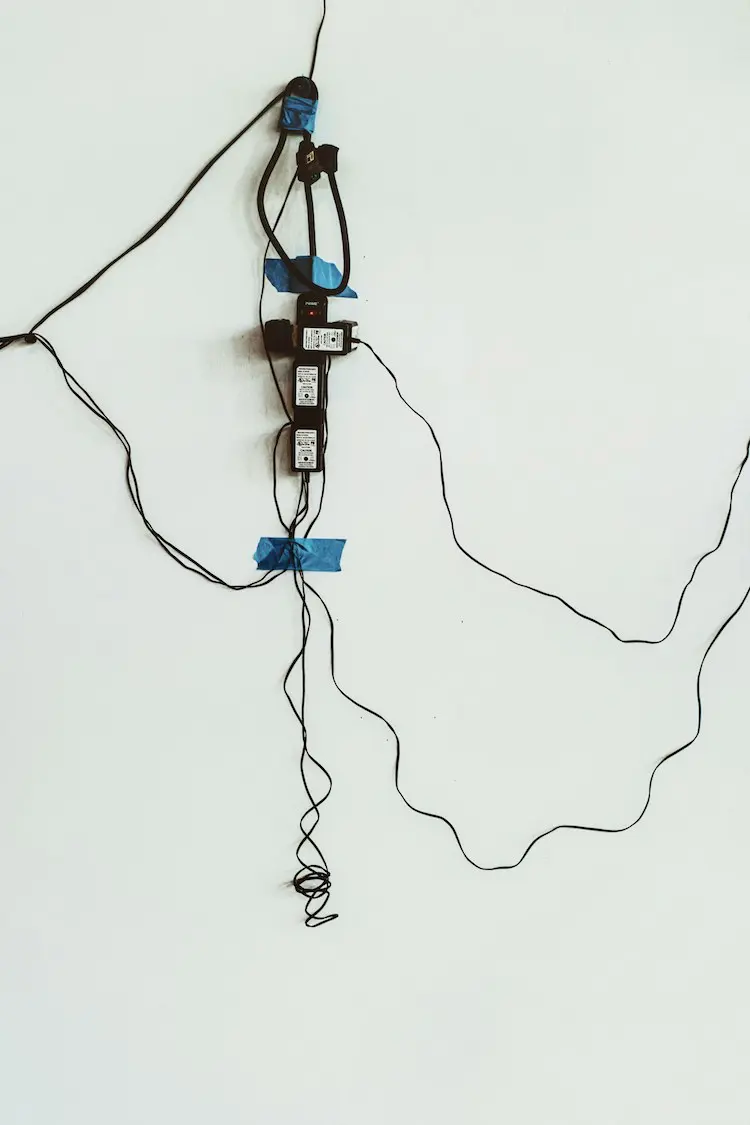
^^ Not like this. 😜
If you can’t work with us to power your space, here are some tips to keep your space SAFE while powering your devices, while reducing the chances of overloading your circuits.
1. Prioritize your power-hungry devices
If you need to use a high-wattage appliance like a hair dryer or vacuum, give it its own socket. Pause charging other devices at the same time if you can.
2. Spread loads across different circuits when possible
We may not know the exact circuitry of a space. But often, outlets in different rooms or on opposite sides of a room are on different breakers. Try to use a bit of socket strategy when powering high- and medium-power devices.
3. Use high-quality, UL-listed extension units
Cheap ones often lack proper surge protection, overload detection, or even decent wiring.
4. Unplug devices you’re not actively using
It keeps circuits light, saves energy, and limits clutter.
5. Bonus tip: Keep power strips off the floor and away from soft furnishings
Prevents overheating and tripping hazards (physical and electrical).
So… how many things can you plug into one outlet?
Here’s the quick and dirty answer:
One high-power device per outlet (and ideally per circuit).
One medium-power device + a few low-power devices is usually okay.
Several low-power devices together is fine.
The slightly-less-quick and slightly-less-dirty answer:
Keep total load per circuit under ~1,500 watts for reliable safety.
Why 1,500 instead of the full 1,800?
Because electricians recommend using only 80% of a circuit’s total capacity for continuous loads.
It gives you a safety buffer, which is often the difference between reliable power and surprise darkness.
Electricity is one of the most extraordinary conveniences of modern life. But even miracles have limits.
When you understand those limits, your devices run better, your circuits stay happy, and your home or workplace stays safe.
And if you ever find yourself thinking, “I really wish I could power loads of devices off one socket without a circus of cables and fire hazards”…
The team at OE Electrics has been thinking the exact same thing…and we’ve been building something for you. 😉