Most people think lithium-ion batteries live in exactly two places:
- Their phone
- Their laptop
End of list.
But lithium-ion batteries are having a much bigger moment than most of us realize. They’re quietly powering the tools you use and spaces you walk through every day, without giving power a second thought.
In fact, there’s a decent chance you’ve used four or five lithium-ion–powered products today already, without knowing it.
That’s partly because when batteries work well, they disappear. They don’t hum. They don’t smell. They don’t demand attention.
They just do their job.
Which is brilliant for usability, but terrible for lithium-ion appreciation. (Poor little overlooked batteries!)
So let’s change that…
Let’s take a look at 10 everyday (and not-so-everyday) products powered by lithium-ion batteries in 2026 — some familiar, some surprising, and at least one that might make you say, “Hang on, that uses the same battery tech as what?”
By the end of this list, you’ll not only understand lithium-ion batteries better, you’ll probably never look at portable power the same way again.
Right, let’s pop the hood…
1. Electric vehicles
I’ll make a bold claim here:
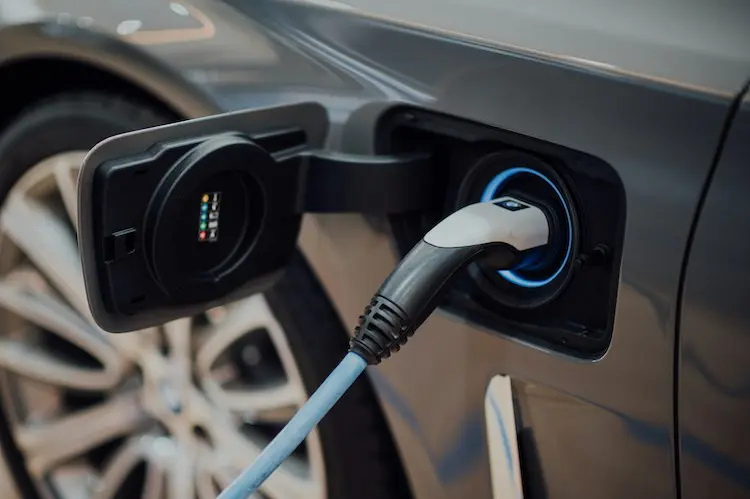
Electric vehicles wouldn’t really exist (at scale, anyway) without lithium-ion batteries.
Not because batteries are new.
But because lithium-ion cells store a lot of energy without becoming absurdly heavy. That energy density is the difference between a car that crawls 40 miles and one that comfortably clears 300.
Older battery chemistries simply couldn’t deliver that balance of range, weight, and rechargeability. Lithium-ion could.
And because lithium-ion batteries recharge efficiently, they fit real life. Overnight charging. Regenerative braking. Predictable performance in daily use.
E-bikes are also powered by lithium-ion technology, thanks in main part to its light weight. Because nobody wants to pedal a 10-ton bike to work.
In many ways, the booming EV industry is only viable because of lithium-ion batteries.
2. Power tools
Before lithium-ion took over, cordless tools were…eh, fine. But they were heavy, underpowered, slow to recharge, and notorious for dying halfway through a job.
Lithium-ion changed that entirely.
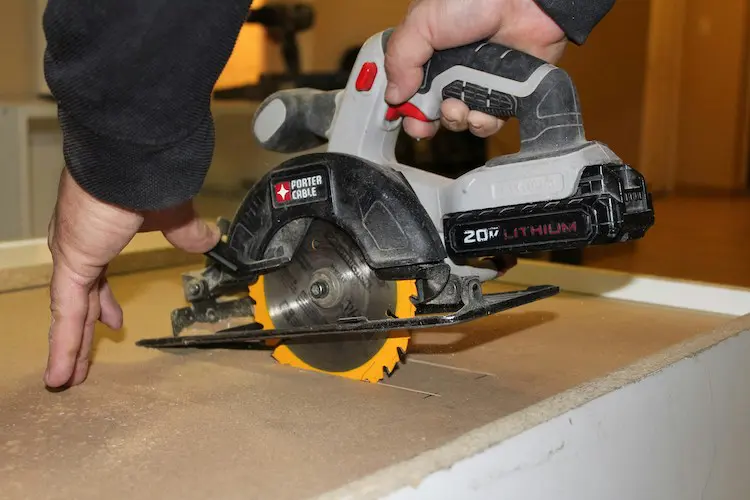
Because lithium-ion batteries deliver high power without a big weight, modern cordless drills, saws, and impact drivers can now rival or outperform their corded equivalents. And you get no performance drop-off until the battery is nearly empty.
That combination matters on a real job site.
Durability plays a big role, too. Power tools live hard lives: drops, dust, heat, cold, and vibration. Lithium-ion systems are designed to handle all of that, with built-in electronics that manage heat and power delivery safely in real time.
It’s why nearly every major tool brand has gone all-in on lithium-ion platforms.
In many ways, power tools proved something important: When batteries are this good, cords stop being an advantage.
3. Personal care devices
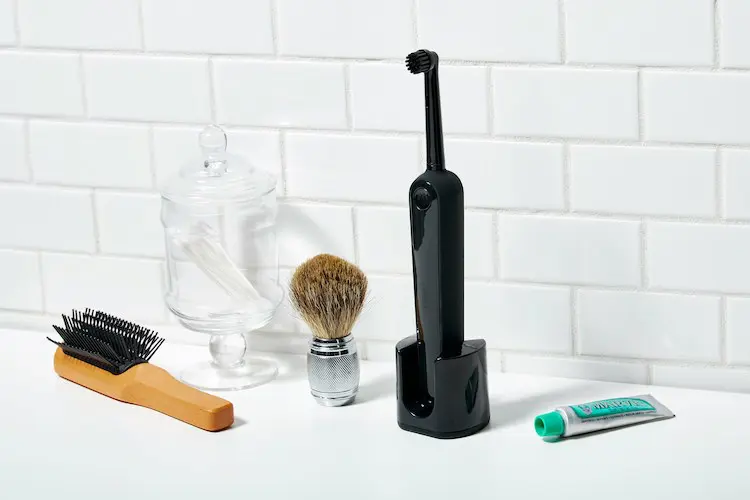
Unlike cars and heavy-duty power tools, personal care devices like electric toothbrushes, beard trimmers, — and um, yes, that kind of personal care product — don’t need massive power.
What they DO need is consistent, predictable performance day after day. Lithium-ion excels here.
Compared to older rechargeable batteries, lithium-ion holds its charge longer, delivers steady output, and doesn’t degrade quickly from a quick charging cycle.
That’s why modern toothbrushes last weeks between charges and feel the same on day one as day twenty.
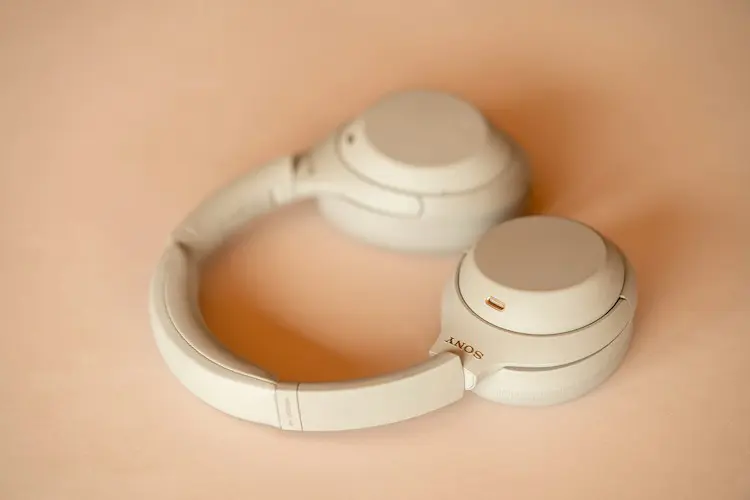
4. Noise-canceling headphones and earbuds
Noise-canceling headphones are doing far more work than most people realize.
They’re constantly listening to the world around you, processing that sound in real time, then generating an equal and opposite signal to cancel it out.
That all happens dozens of times per second. It’s clever tech, but it’s also power-hungry and unforgiving.
Any fluctuation in power, and the illusion breaks.
Lithium-ion batteries make active noise cancellation possible because they deliver steady, consistent power over long periods, not just short bursts. That stability keeps microphones, processors, and feedback loops running smoothly without distortion, dropouts, or sudden shutdowns.
Just as important, lithium-ion can do this without adding bulk. You get hours of silence without wearing something that feels like shop safety gear.
When silence depends on precision, power has to be boringly reliable.

5. Medical devices you hope you never need
When you’re dealing with portable defibrillators, infusion pumps, patient monitors, and other medical devices, batteries aren’t about convenience.
They’re about reliability, predictability, and safety.
Lithium-ion batteries are favored in many medical devices because they provide stable voltage, precise power control, and built-in monitoring systems that detect issues before they become problems.
When devices need to perform exactly as expected, every time, lithium-ion’s consistency becomes a non-negotiable advantage.
This is one area where “good enough” simply isn’t.
6. Laptops
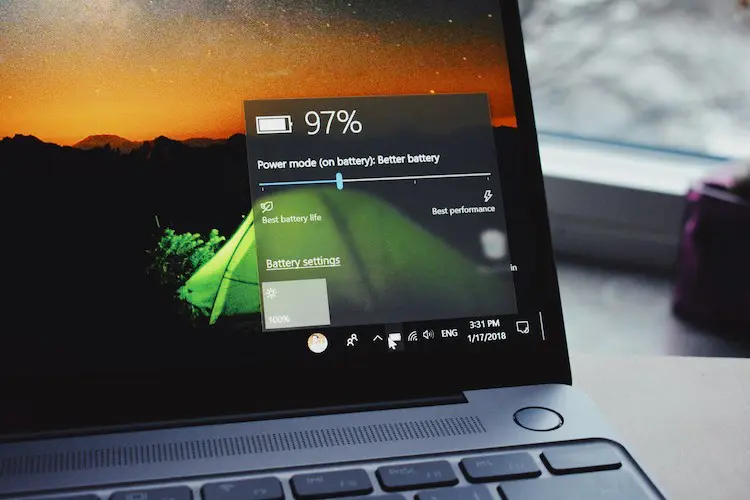
Early portable computers weren’t exactly portable.
They were bulky, short-lived, and constantly tethered to outlets to top up the charge. Lithium-ion changed that equation by offering long runtimes without turning laptops into bricks.
That weight-to-power ratio matters. It’s why laptops got thinner, lighter, and genuinely mobile. It’s also why battery life became something users could actually rely on instead of nervously watching a percentage tick down.
Lithium-ion didn’t just improve laptops. It reshaped how and where people work, by untethering us from the wall socket.
7. Smartphones
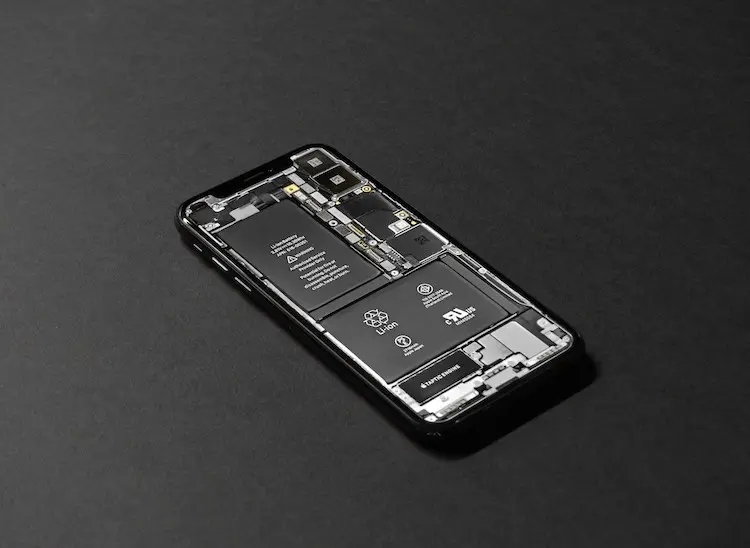
Phones are brutal environments for batteries.
They demand bursts of high power, live in tight spaces, and get charged constantly.
Lithium-ion handles all three beautifully.
Its ability to deliver high power in a compact form is why smartphones can stream video, run navigation, power cameras, and still fit in your pocket.
And because lithium-ion batteries tolerate frequent partial charging, you can plug it in whenever you can and use it when you need it.
The convenience is invisible. And that’s the point.
Speaking of convenience…
8. Cordless vacuums
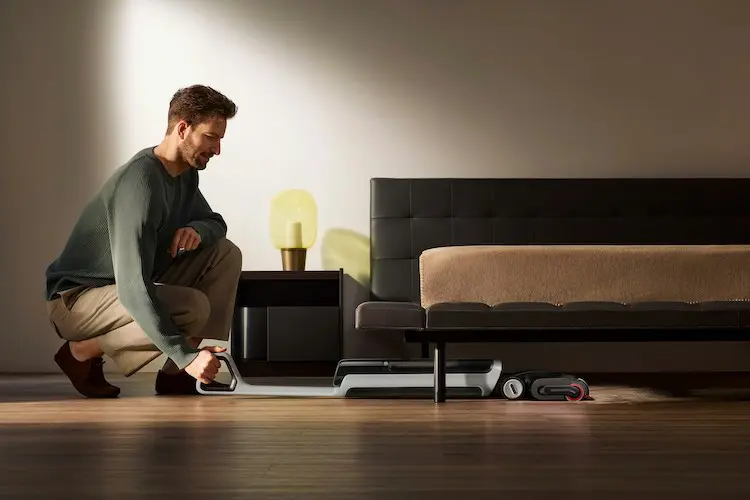
Cordless vacuums used to be disappointing.
Sure, they were convenient and easier to maneuver without being tethered to a socket. But they’d be strong for a minute, then weak when it mattered.
Lithium-ion changed that by delivering consistent strength without rapid power fade.
Instead of slowly losing strength as the battery drains, lithium-ion maintains performance until near the end of the cycle. That means no guessing when the vacuum will suddenly lose suction halfway through the room.
For a guy who once again has “make this the year I actually keep the house clean” on my New Year’s resolutions list, it’s a small quality-of-life improvement that feels massive.
9. Home electricity storage
Normally, electricity works like this:
You use it the moment it’s generated.
If you don’t use it, it’s gone.
Lithium-ion batteries change that.
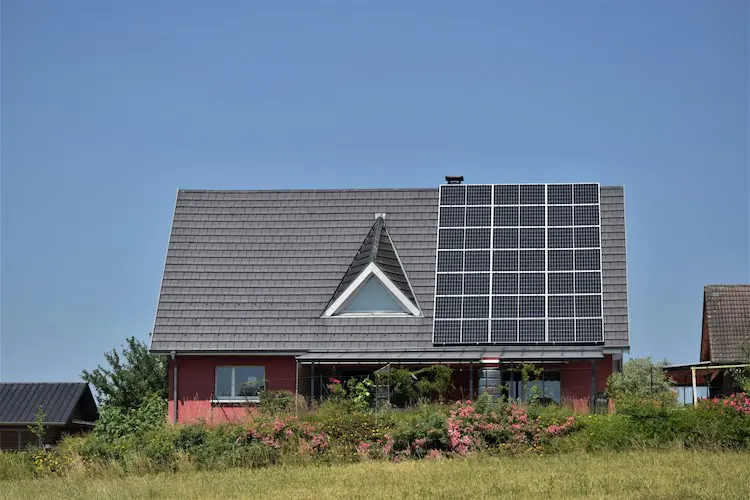
The majority of residential solar panel systems use lithium-ion batteries to store extra electricity made during the day, so it can be used later at night, during peak pricing hours, or when the grid goes down.
Instead of sending unused solar power back to the grid, the battery holds onto it.
Lithium-ion works well here because it can be charged and discharged every day, for years, without wearing out quickly. It also delivers power smoothly, which matters when you’re running everyday things like lights, appliances, and Wi-Fi.
The result is simple:
less wasted solar energy
lower reliance on the grid
more control over when and how electricity is used
Lithium-ion doesn’t just power devices. It lets people save power for when it actually matters.
10. Animate™: lithium-ion power built for modern spaces (not just gadgets)
Up to now, we’ve talked about products designed for individual use.
Cars. Tools. Headphones. Vacuums. Phones.
Animate is different.
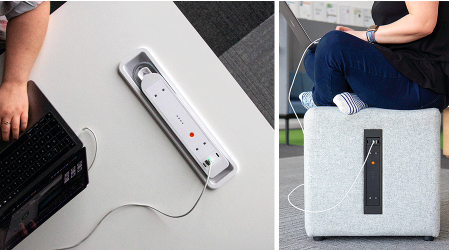
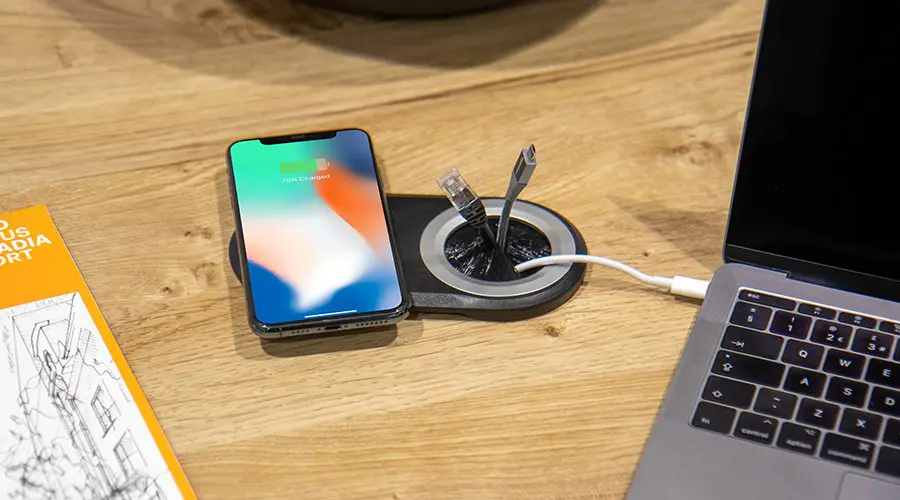
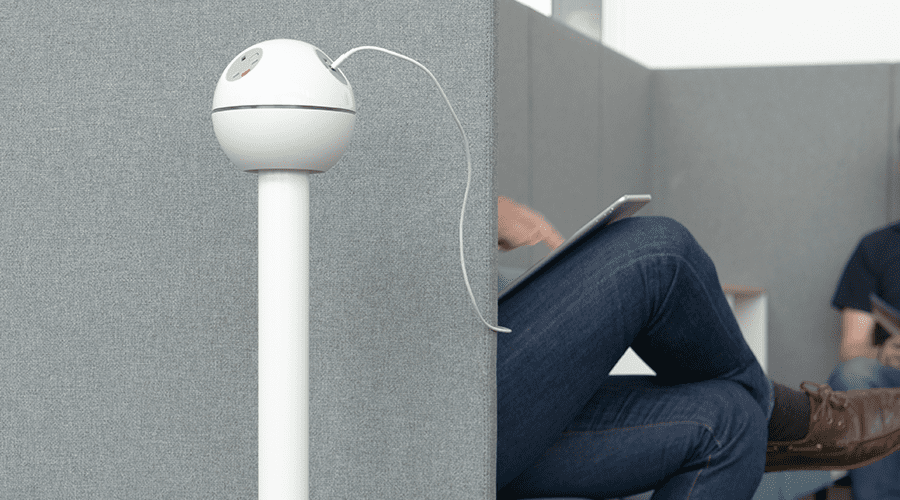
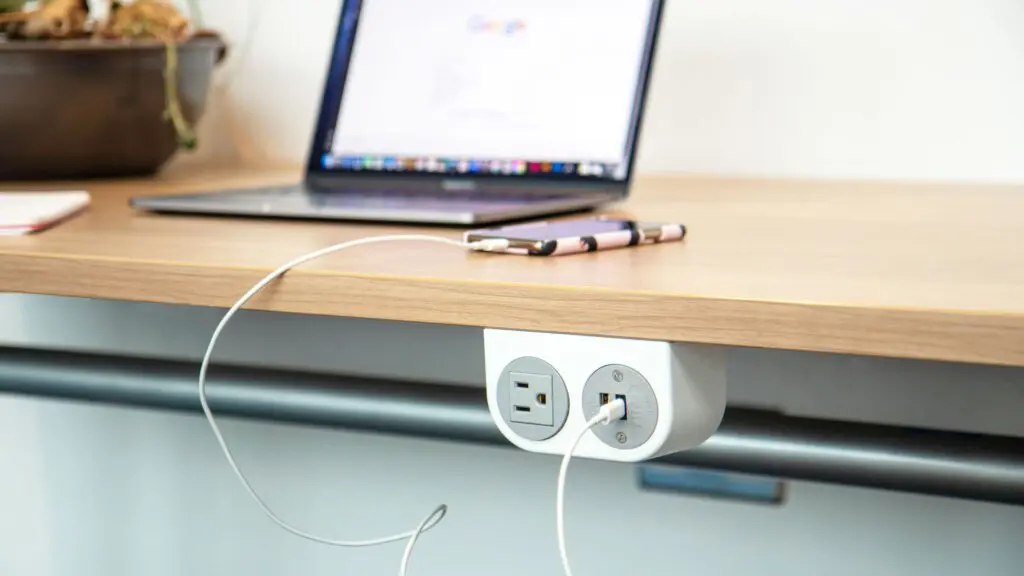
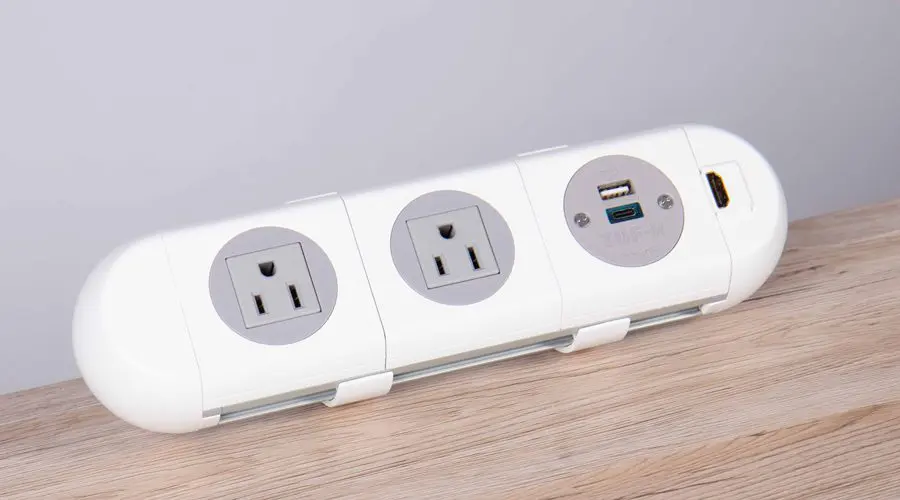
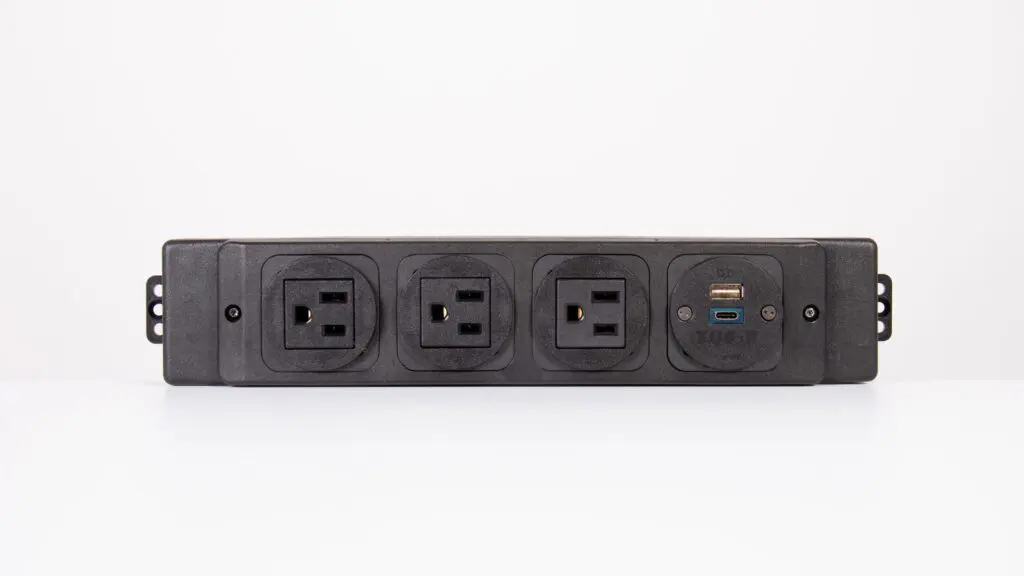
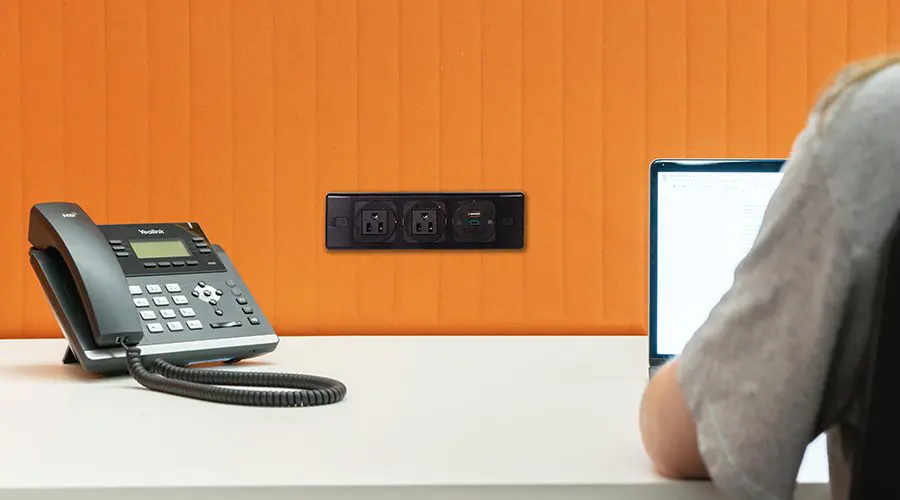
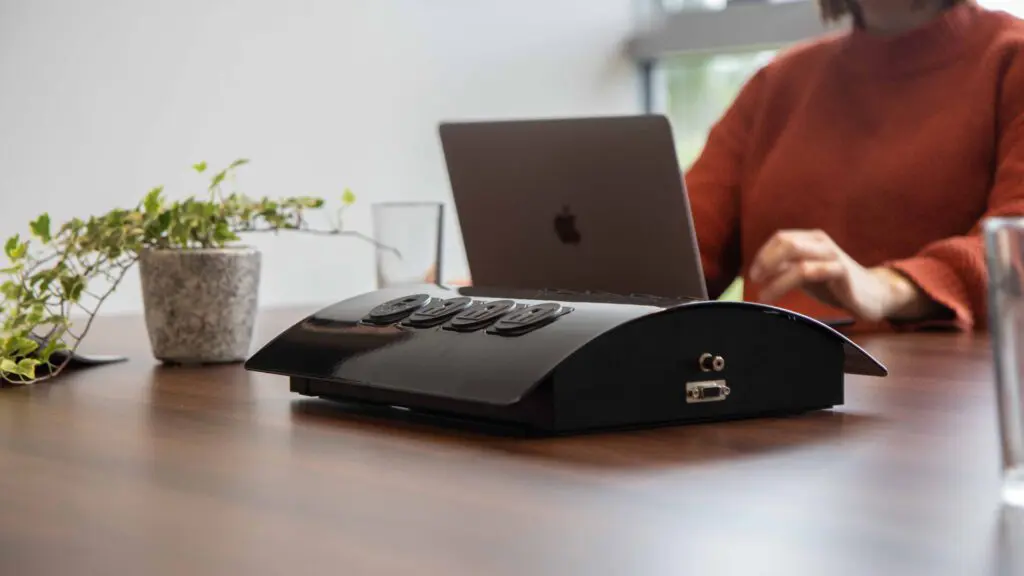
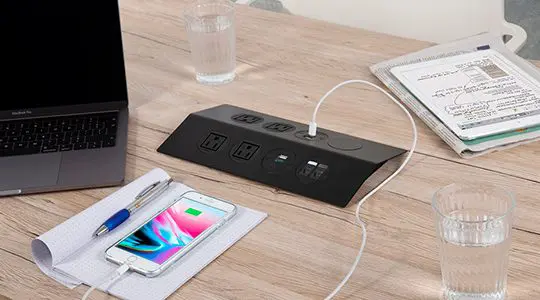
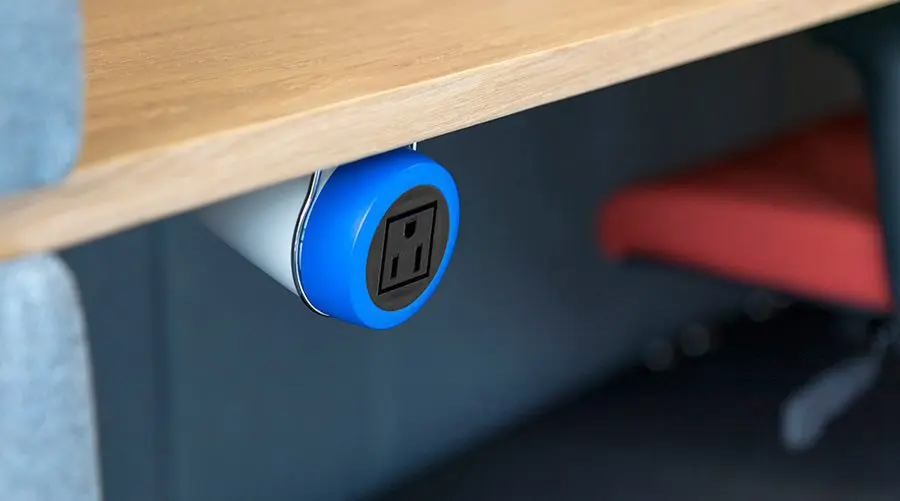
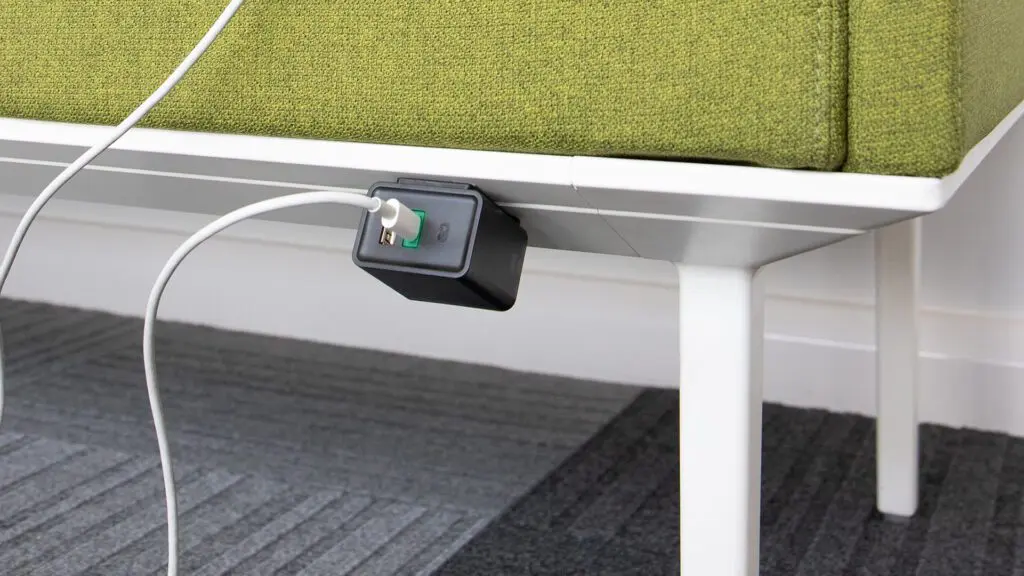
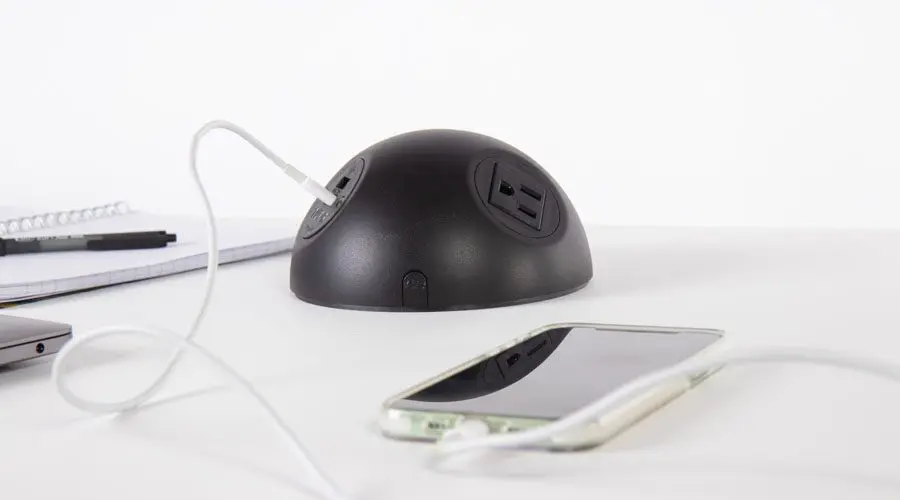
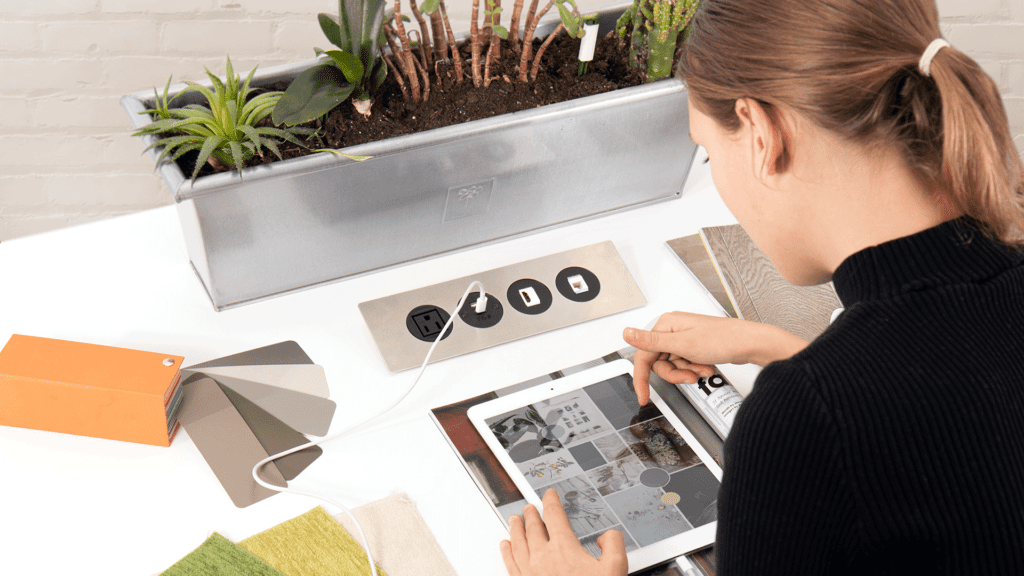
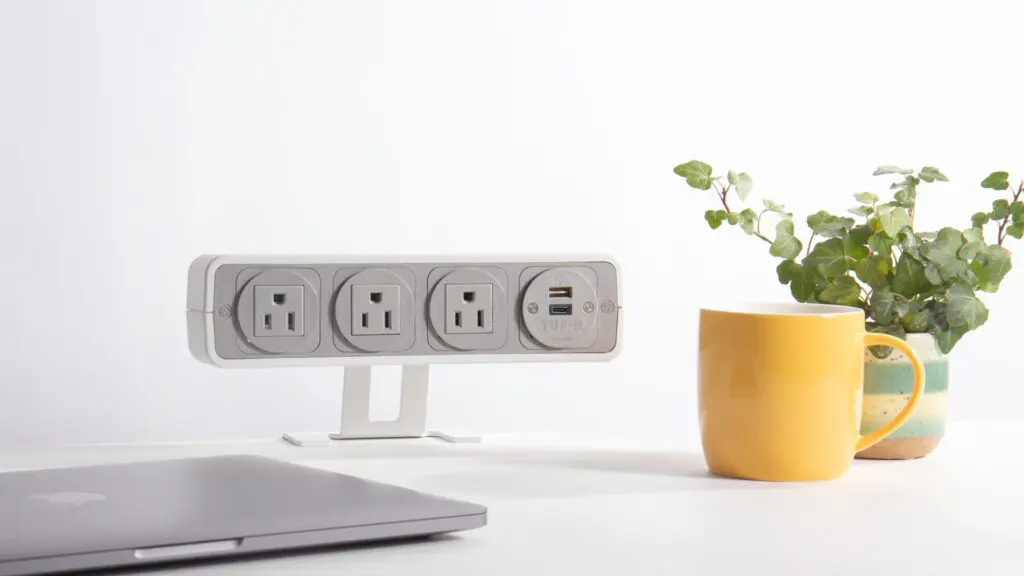
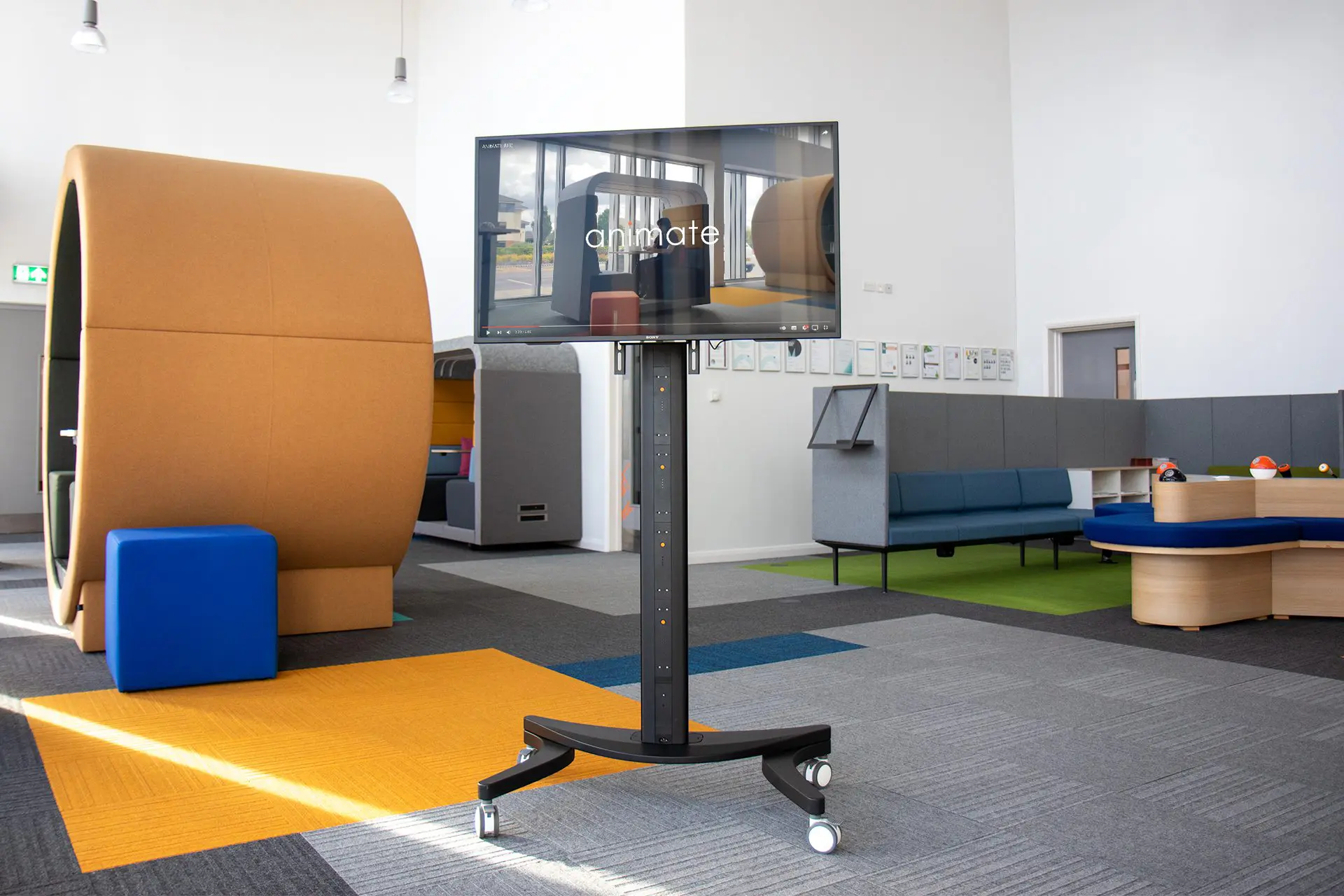
Animate uses lithium-ion batteries to power entire environments — libraries, offices, training rooms, shared spaces — where dozens (sometimes hundreds) of people expect reliable power all day, without thinking about it.
And that only works because lithium-ion brings together every advantage we’ve already covered.
High energy density means Animate batteries can power laptops, phones, even TVs for long sessions without becoming bulky or intrusive.
Consistent output means the first user of the day gets the same charging experience as the last.
Fast, flexible recharging means batteries can be topped up overnight or between uses and redeployed without drama.
Durability matters here too. Public and shared spaces aren’t gentle environments. Animate is designed for daily handling, movement, and real-world use — not careful, precious treatment.
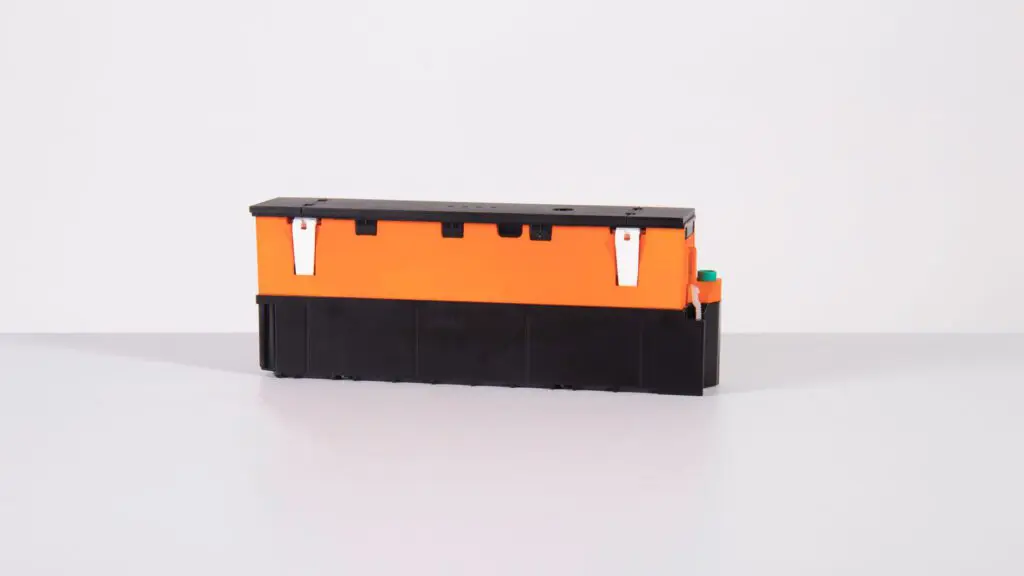
It’s lightweight, so users can easily grab a Qikpac portable battery unit, or move Qikdoc-powered tables and furniture exactly where they want.
And then there’s longevity…
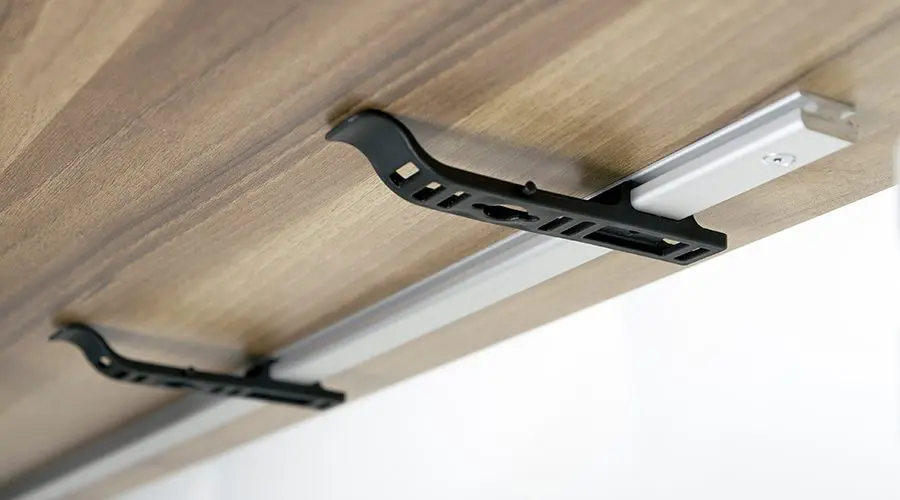
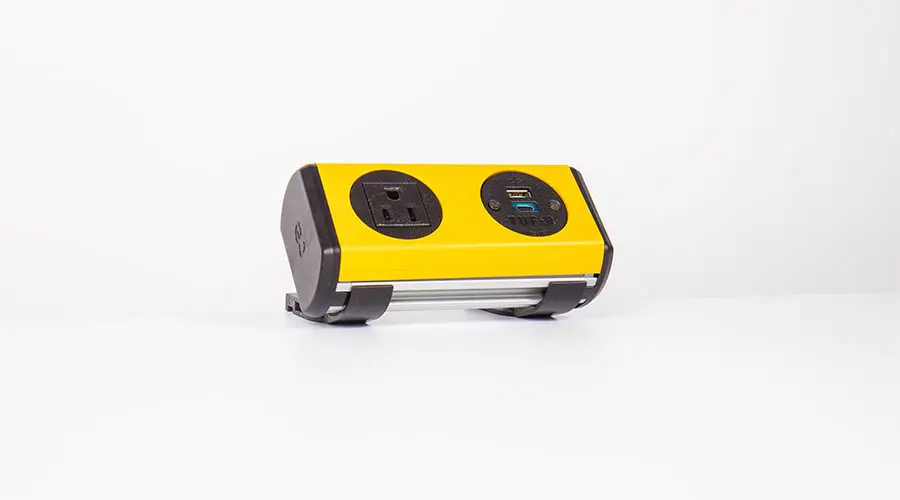
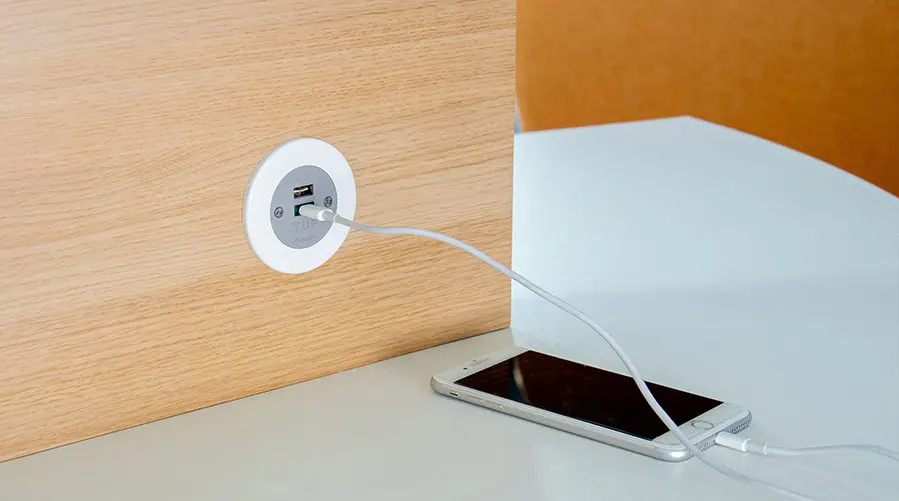
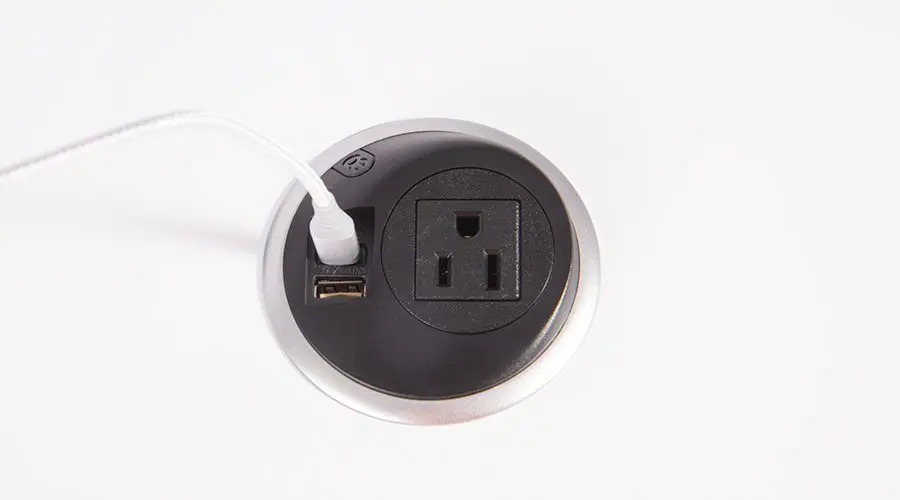
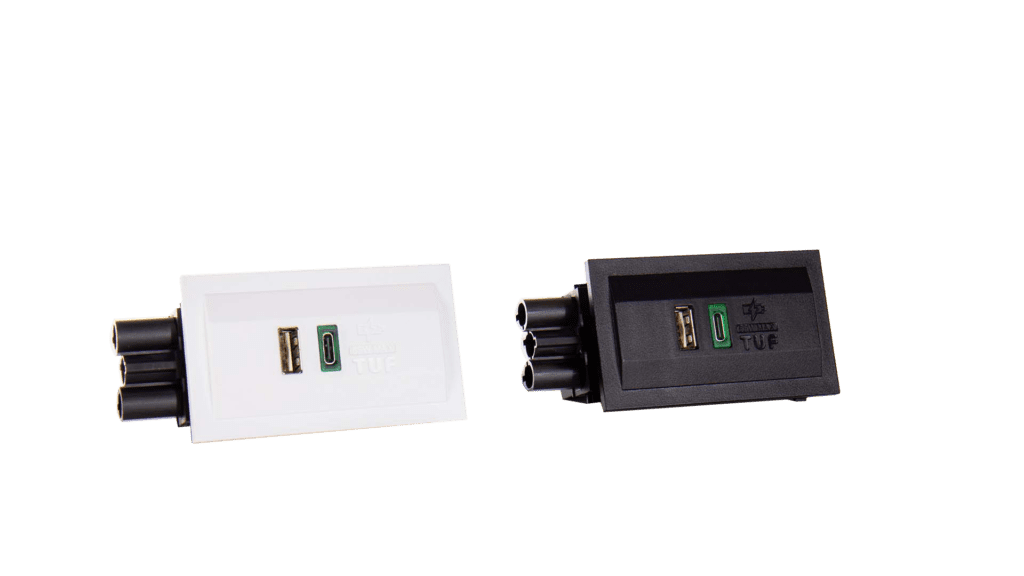
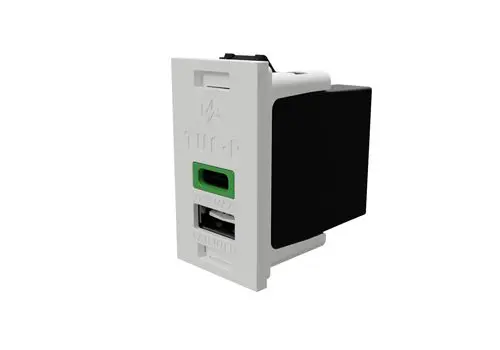
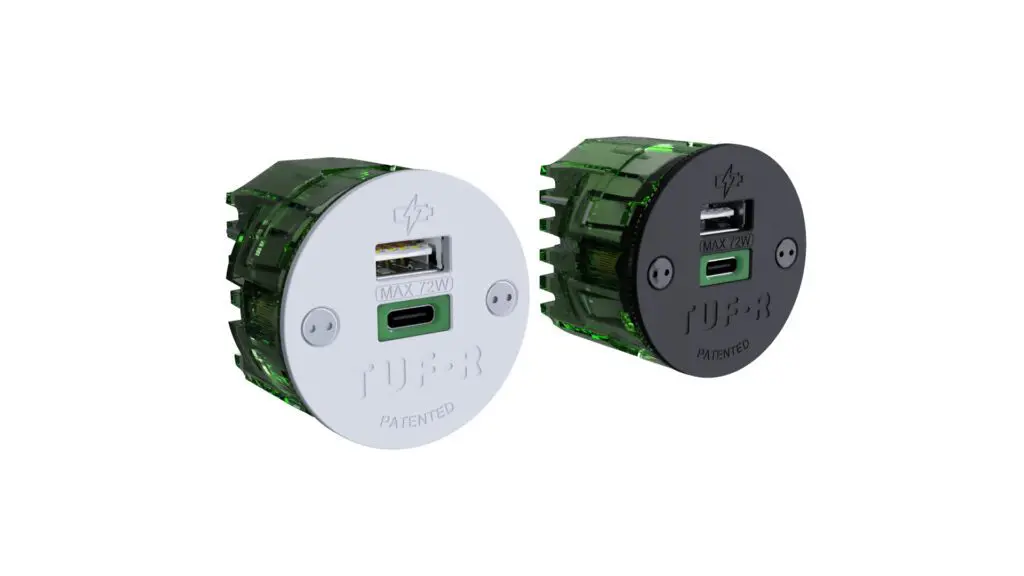
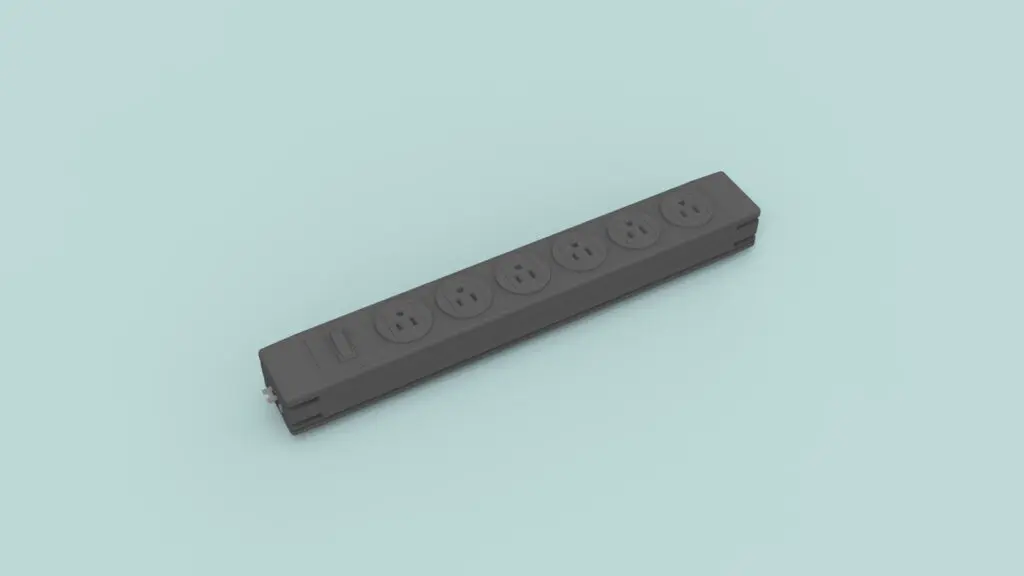
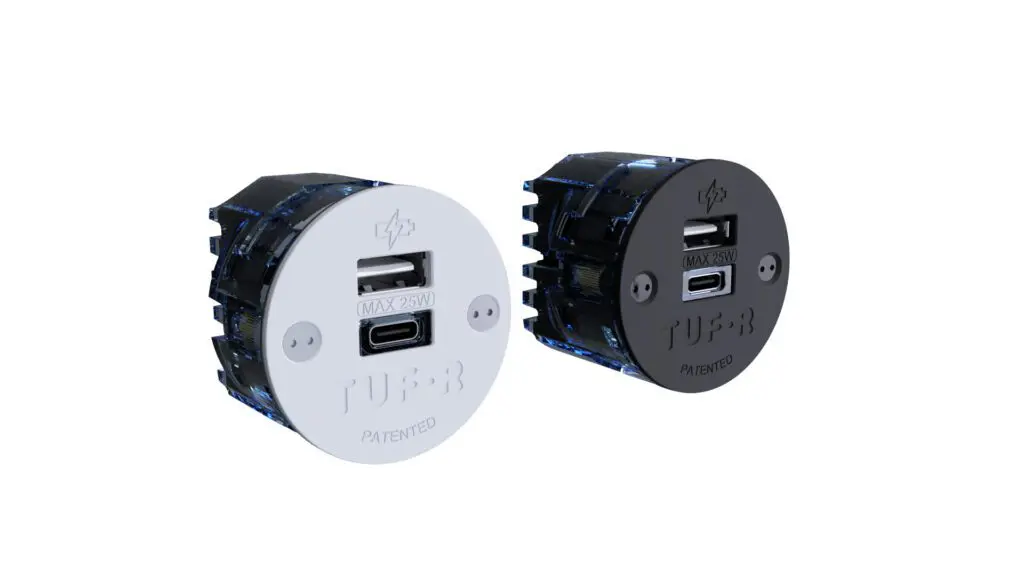
Lithium-ion batteries are built for thousands of charge cycles. Combined with Animate’s modular, replaceable TUF-R® components, that means the same power system can serve a space for years, even as layouts, furniture, and technology change.
That’s the real unlock.
Instead of designing spaces around fixed outlets and cables, lithium-ion power lets spaces adapt first — and power follows.
Tables move. Seating shifts. Rooms change purpose by the hour. Power doesn’t get in the way.
If there’s a theme running through every product in this list, it’s this:
When batteries are this good, they stop being a limitation and start being an enabler.
Animate exists because lithium-ion finally made that possible at a spatial scale — not just for one device, but for how people work, learn, and collaborate every day.
And once you experience power that moves at the speed of the space, it’s very hard to go back to the wall.l